Table of Contents
New Zealand offers far more than beautiful mountains, beaches, and hiking tracks. One of the most meaningful parts of visiting the country is learning about Māori culture, traditions, language, and history. Māori are the Indigenous people of Aotearoa, New Zealand, and their customs remain an important part of daily life across the country.
As a visitor, you can enjoy many cultural experiences that help you better understand the people, stories, and values connected to the land. At the same time, these experiences deserve care and respect. Māori traditions are not simply tourist attractions. They carry deep cultural and spiritual meaning that continues today.
This guide shares 10 Māori cultural experiences every visitor should approach thoughtfully and respectfully. You will also learn small but important ways to behave respectfully so your visit feels genuine, welcoming, and memorable for everyone involved.
Quick Summary Table 🗺️
| Experience | Best Place to Try It | Why It Matters | Respect Tip |
|---|---|---|---|
| Traditional pōwhiri welcome | Marae visits across NZ | Introduces Māori customs and hospitality | Follow instructions carefully |
| Haka performances | Rotorua and cultural centres | Powerful expression of identity and strength | Watch respectfully and avoid joking |
| Visiting a marae | Community meeting grounds | Heart of Māori social and cultural life | Remove shoes if requested |
| Māori storytelling tours | North Island and cultural villages | Preserves history and legends | Listen without interrupting |
| Traditional hāngī meal | Rotorua and local gatherings | Ancient style of cooking food underground | Appreciate the cultural meaning |
| Learning basic te reo Māori | Nationwide | Supports language preservation | Try pronunciation respectfully |
| Carving and weaving workshops | Arts centres and museums | Important forms of cultural expression | Ask before touching artworks |
| Māori guided nature walks | Forests and geothermal areas | Connects land with spiritual stories | Stay on paths and respect sacred sites |
| Visiting historic pā sites | Throughout NZ | Shares Māori history and resilience | Treat sites quietly and carefully |
| Matariki celebrations | Winter across NZ | Māori New Year celebration | Participate with openness and care |
How We Ranked These Experiences ⭐
We selected these Māori cultural experiences based on several important factors:
- Cultural significance within Māori communities
- Opportunities for respectful learning and connection
- Accessibility for international visitors
- Educational value and storytelling quality
- Authenticity of the experience
- Importance to New Zealand history and identity
- Positive impact on local Māori communities
- Chances for meaningful cultural understanding
- Visitor behaviour expectations and learning opportunities
- Overall experience for travellers seeking respectful tourism
1. Experience a Traditional Pōwhiri Welcome 🤝
A pōwhiri is a formal Māori welcoming ceremony often held at a marae. For many visitors, this becomes one of the most emotional and memorable cultural experiences in New Zealand.
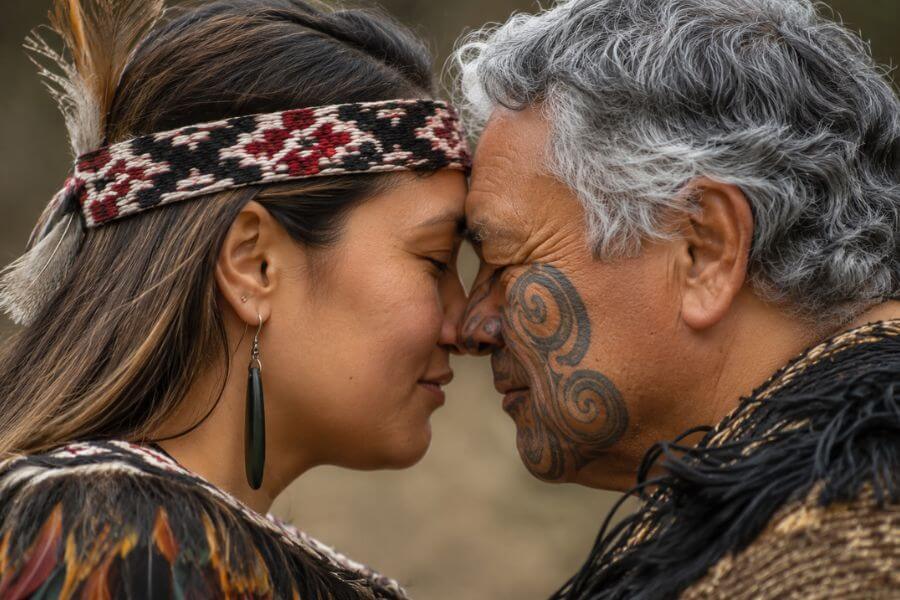
The ceremony may include speeches, singing, and the famous hongi greeting, where two people gently press noses together. Every part of the pōwhiri carries meaning. It is designed to bring visitors and hosts together peacefully and respectfully.
If you are invited to attend, listen carefully to instructions from your guide or hosts. Some parts of the ceremony may require silence, standing in specific areas, or waiting before speaking. Following these customs shows respect for the people welcoming you.
Many visitors make the mistake of treating a pōwhiri like entertainment. Instead, approach it with patience and attention. Even if you do not fully understand every detail, showing genuine interest matters greatly.
2. Watch a Haka Performance Respectfully 🛡️
The haka is one of the most recognised parts of Māori culture worldwide. While many people first see it during rugby matches, haka performances have deep cultural roots connected to storytelling, pride, unity, and emotion.
Different haka represent different meanings. Some celebrate strength and courage, while others honour ancestors or welcome guests.
When you watch a haka performance, avoid laughing, talking loudly, or trying to imitate performers during the presentation. It is natural to feel excited, but the haka deserves focused attention and respect.
Many cultural centres explain the history behind each haka, helping you understand why it remains so important in modern Māori identity. Learning the meaning behind the movements and chants makes the experience much more powerful than simply watching it online.
3. Visit a Marae with Proper Etiquette 🏡
A marae is a sacred Māori meeting place and community centre. It is where important ceremonies, discussions, celebrations, and gatherings take place.
Not every marae is open to casual tourism, so visits are usually organised through guided cultural programmes or invitations from local communities. If you have the chance to visit one, treat it as a privilege rather than a standard tourist stop.
Simple actions matter. You may be asked to remove your shoes before entering certain buildings. Eating in some areas may not be allowed. Photography rules can also vary depending on the location and event.
It is always best to observe first and ask questions politely if you are unsure about something. Māori hosts are often welcoming and happy to share knowledge when visitors show genuine respect.
4. Join a Māori Storytelling Tour 📖
Storytelling sits at the heart of Māori culture. Through stories, generations have passed down history, navigation knowledge, legends, family connections, and spiritual beliefs.
Joining a guided storytelling tour allows you to hear these traditions directly from Māori guides who understand the deeper meanings behind the stories.
Many tours include legends connected to mountains, lakes, forests, and geothermal areas. You may hear about famous ancestors, legendary journeys, or the spiritual importance of certain landscapes.
The best way to approach these tours is with curiosity and patience. Avoid treating the stories as fantasy tales only for entertainment. For many Māori people, these stories remain living cultural knowledge connected to identity and ancestry.
5. Share a Traditional Hāngī Meal 🍽️
A hāngī is a traditional Māori cooking method where food is slowly cooked underground using heated stones. The process creates rich flavours and reflects Māori values around community and gathering together.
Today, many cultural experiences include hāngī dinners where visitors can enjoy meats, vegetables, and desserts cooked in this traditional way.
While the meal itself is enjoyable, the cultural meaning behind it matters just as much. Hāngī preparation often involves teamwork, sharing, and hospitality. It represents the connection between people and the land.
Instead of rushing through the meal, take time to appreciate the preparation, storytelling, and atmosphere around it. Listening to guides explain the cooking traditions can help you understand why hāngī remains culturally important today.
6. Learn Basic Te Reo Māori 🗣️
Te reo Māori is one of New Zealand’s official languages and an important part of the country’s cultural identity. Even learning a few words can show care and respect during your travels.
Simple phrases like “kia ora” for hello or thank you, and correct pronunciation of place names, can make positive impressions when speaking with locals.
You do not need to become fluent. What matters most is making a genuine effort. Many visitors feel nervous about pronunciation, but respectful attempts are usually appreciated.
Learning te reo Māori also helps you better understand signs, songs, ceremonies, and cultural expressions you may encounter across New Zealand.
7. Attend Carving and Weaving Workshops 🎨
Traditional Māori carving and weaving are highly respected art forms that carry stories, genealogy, and spiritual meaning.
Wood carvings often appear in meeting houses, canoes, and cultural buildings. Woven pieces may include clothing, baskets, or ceremonial items made using natural materials.
Some cultural centres offer workshops where visitors can observe artists at work or try simple techniques themselves. These experiences help visitors appreciate the patience, skill, and symbolism involved.
Never assume artworks are simply decorative objects. Certain pieces may represent ancestors or sacred cultural concepts. Always ask before touching carvings or taking close photographs.
Supporting authentic Māori artists through respectful tourism can also help preserve these important traditions for future generations.
8. Take a Māori Guided Nature Walk 🌲
For Māori communities, nature is deeply connected to identity, spirituality, and ancestry. Mountains, rivers, forests, and lakes are often viewed as living relatives rather than just scenery.
A Māori guided walk offers a completely different way to experience New Zealand landscapes. Guides may explain traditional plant uses, ancestral stories, navigation methods, and spiritual connections tied to the environment.
You may learn why certain places are considered sacred or why some natural resources are carefully protected.
During these tours, follow instructions closely. Stay on marked tracks and avoid removing natural objects from the environment. Respect for the land is a major part of Māori values, and visitors should approach these spaces carefully.
9. Explore Historic Pā Sites 🪶
Pā sites were fortified Māori villages built for protection, community living, and strategic defence. Today, many historic pā locations remain important cultural and archaeological sites across New Zealand.
Visiting these places helps travellers better understand Māori history long before European settlement and colonisation.
Some sites contain earthworks, terraces, defensive structures, or historical markers explaining important events. Others may appear quiet and simple but still hold deep meaning for local iwi, or tribal groups.
When visiting, avoid climbing on fragile structures or treating the site casually. These locations are part of living history and deserve the same respect you would show at any important historical memorial.
10. Celebrate Matariki Thoughtfully ✨
Matariki is the Māori New Year celebration connected to the rising of the Matariki star cluster. It usually takes place during winter and focuses on remembrance, reflection, gratitude, and new beginnings.
Across New Zealand, Matariki celebrations may include cultural performances, storytelling, food events, art displays, and community gatherings.
For visitors, this can be a beautiful time to experience Māori culture in a meaningful and positive setting. However, it is important to remember that Matariki is more than a festival for entertainment. It holds spiritual and cultural importance for many people.
Participate openly, listen respectfully, and take time to learn about the values behind the celebrations rather than focusing only on public events or social media photos.
Conclusion 🌏
Experiencing Māori culture can become one of the most rewarding parts of visiting New Zealand. These traditions, stories, languages, and ceremonies offer visitors a deeper understanding of Aotearoa and the people who have shaped its identity for generations.
The key to meaningful cultural tourism is respect. You do not need perfect knowledge or flawless behaviour. What matters most is approaching each experience with openness, humility, curiosity, and care.
By listening carefully, following local customs, and appreciating the deeper meaning behind what you see, you can enjoy experiences that feel far more genuine and memorable than ordinary sightseeing.
Respectful travel not only improves your own journey but also helps support Māori communities in preserving and sharing their culture with future visitors.
Frequently Asked Questions ❓
Is it okay for tourists to participate in Māori cultural activities?
Yes, many Māori cultural experiences are designed to welcome visitors. The important thing is to participate respectfully, follow guidance from hosts, and approach the experience with genuine interest rather than treating it as entertainment only.
What should you wear to a marae visit?
Smart casual clothing is usually appropriate. Avoid overly revealing outfits or clothing with offensive images or slogans. Comfortable and tidy clothing shows respect for the occasion and the hosts.
Can you take photos during Māori cultural performances?
Photography rules vary depending on the event and location. Some performances allow photos, while others may restrict them during sacred moments. Always ask or follow the instructions provided by guides or hosts.
Why is the correct pronunciation of Māori words important?
Correct pronunciation shows effort and respect for the Māori language and culture. Even small attempts to pronounce words properly are often appreciated and help visitors engage more thoughtfully with New Zealand culture.
Are Māori cultural experiences suitable for children?
Yes, many experiences are family-friendly and educational for children. Guided tours, storytelling sessions, cultural performances, and Matariki celebrations can all help younger travellers learn about Māori traditions in engaging ways.