Table of Contents
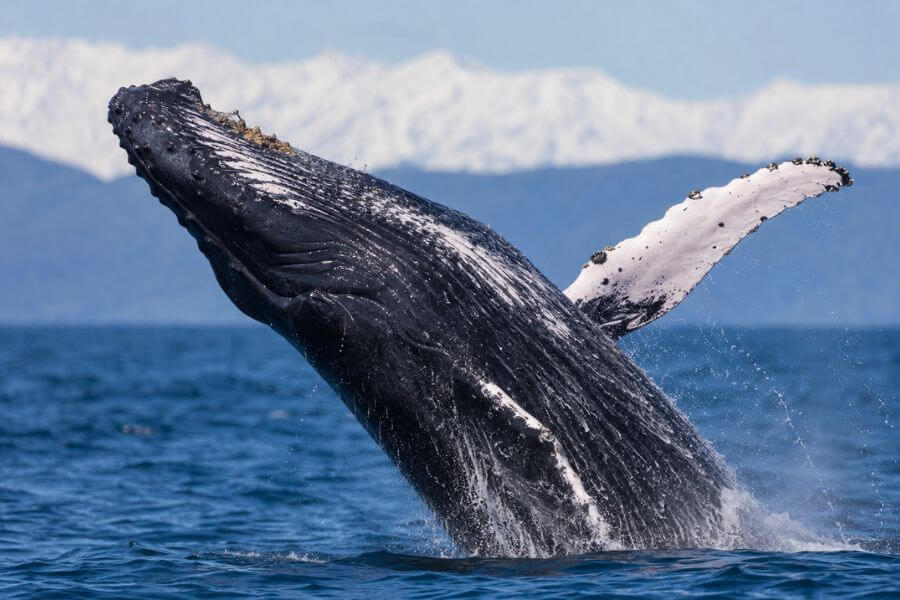
New Zealand is one of the best places in the world to see whales in the wild. With deep ocean trenches, rich marine life, and long coastlines, you have plenty of chances to spot everything from giant sperm whales to playful humpbacks and even rare blue whales. Some places offer whale watching all year, while others shine during migration season.
If you are planning a trip and want unforgettable wildlife experiences, whale watching deserves a place on your itinerary. The best part is that each region feels different. You might cruise through dramatic mountains in one spot and watch whales near volcanic coastlines in another.
This guide covers 10 whale watching spots in New Zealand, the best times to visit, and what makes each destination special.
Quick Summary Table 🌊
| Location | Best Time to Go | Whales Commonly Seen | Best Experience |
|---|---|---|---|
| Kaikōura | Year round | Sperm whales, humpbacks, orcas | Most famous whale watching destination |
| Auckland Hauraki Gulf | July to September | Bryde’s whales, humpbacks | Easy day trip from the city |
| Bay of Islands | June to October | Minke whales, humpbacks | Scenic coastal cruising |
| Marlborough Sounds | July to October | Humpbacks, southern right whales | Calm waters and beautiful scenery |
| Taranaki Coast | Summer to autumn | Blue whales | Rare blue whale encounters |
| Fiordland | December to March | Humpbacks, dolphins | Dramatic wilderness setting |
| Wellington Coast | June to September | Orcas, humpbacks | Great roadside viewing spots |
| Otago Peninsula | Spring and summer | Southern right whales | Wildlife packed coastal area |
| Coromandel Peninsula | July to October | Humpbacks, pilot whales | Relaxed beach holiday atmosphere |
| Stewart Island | Summer months | Southern right whales | Remote and less crowded experience |
How We Ranked These Whale Watching Spots 🧭
We looked at several factors to decide which whale watching destinations deserved a place on this list:
- Variety of whale species you can see
- Chance of sightings throughout the year
- Scenic beauty of the surrounding area
- Accessibility for travellers
- Quality of local whale watching tours
- Seasonal migration opportunities
- Overall travel experience nearby
- Crowd levels and atmosphere
- Wildlife diversity beyond whales
- Unique features that make each spot memorable
1. Kaikōura 🐳
Kaikōura is the whale watching capital of New Zealand and one of the best marine wildlife destinations in the Southern Hemisphere. If you only choose one place for whale watching, this should probably be it.
What makes Kaikōura so special is the deep underwater canyon just offshore. It brings nutrient-rich water close to the coast, attracting whales throughout the year. Sperm whales are the stars here, and you can often see them no matter the season. During migration months, humpbacks, blue whales, and southern right whales also pass through.
The scenery adds even more magic. Snow-covered mountains rise behind the ocean, creating one of the most beautiful coastal settings in the country.
The best time to visit depends on what you want to see. Winter is excellent for humpback migrations, while summer often brings calmer seas and pleasant weather.
You can join boat tours, scenic flights, or even helicopter trips for different views of the whales. If you are prone to seasickness, air tours can be a great option.
2. Auckland Hauraki Gulf 🚤
Many people are surprised to learn that you can see whales close to New Zealand’s largest city. The Hauraki Gulf offers fantastic marine wildlife experiences without needing to travel far from Auckland.
Bryde’s whales live in the Gulf year-round, which is quite rare. During migration season, humpbacks and other whale species also appear. Dolphin sightings are very common, too.
One of the biggest advantages here is convenience. You can stay in Auckland and still enjoy a whale watching adventure as a day trip. This makes it ideal if your schedule is short.
The best months are generally from July to September when migrating whales become more active. Calm summer days are also lovely for ocean cruises.
Besides whale watching, the surrounding islands and beaches make this area perfect for a longer coastal holiday.
3. Bay of Islands ⚓
The Bay of Islands is famous for its warm weather, beautiful beaches, and island scenery. It is also one of the top whale-watching locations in the North Island.
The region becomes especially active during migration season when humpbacks and minke whales travel through the area. You may also spot orcas hunting near the coastline.
Whale watching tours here often feel more relaxed and scenic compared with busier destinations. The calm waters and island-dotted landscapes create a peaceful atmosphere during cruises.
The best time to visit is between June and October. Spring can be especially rewarding because the weather improves while whale activity remains strong.
Outside whale watching, you can enjoy sailing, fishing, and exploring charming coastal towns nearby.
4. Marlborough Sounds 🛥️
Marlborough Sounds combines sheltered waterways, green hills, and peaceful ocean scenery. It is an excellent destination if you prefer quieter whale watching experiences away from larger tourist crowds.
Humpback whales migrate through these waters during winter and spring. Southern right whales occasionally appear as well.
One of the biggest highlights is the calm water. Cruises here are often smoother than open ocean trips, making it a good option if you are worried about rough seas.
The area is also rich in birdlife and dolphins, so there is always something interesting to see even between whale sightings.
July to October is generally the best period for whale watching in this region.
5. Taranaki Coast 🐬
The Taranaki Coast has become increasingly famous for something very special. It is one of the few places in New Zealand where blue whales are regularly seen.
Blue whales are the largest animals on Earth, so spotting one is an unforgettable experience. Scientists have discovered that the waters off Taranaki provide important feeding grounds for them.
Unlike migration-based destinations, whale sightings here often depend on feeding conditions and ocean activity. Summer and autumn are usually considered the best seasons.
The dramatic presence of Mount Taranaki in the background adds even more beauty to the experience. This region still feels less touristy than many other whale watching hotspots, which many travellers appreciate.
If you want something unique and less predictable, Taranaki offers one of the most exciting marine wildlife adventures in the country.
6. Fiordland 🏔️
Fiordland feels wild, remote, and almost untouched. Whale watching here is less commercial but incredibly scenic.
The towering cliffs, waterfalls, and deep dark waters create an unforgettable setting. Humpback whales are sometimes seen during summer migrations, while dolphins and seals are common year-round.
Milford Sound and Doubtful Sound are the most popular areas for wildlife cruises. Although whale sightings are not as guaranteed as in Kaikōura, the overall experience is still spectacular.
Summer from December to March usually offers the best conditions for travel and wildlife viewing.
This is the kind of destination where the journey itself feels just as exciting as spotting the whales.
7. Wellington Coast 🌬️
Wellington’s coastline becomes surprisingly active during whale migration season. Locals occasionally spot orcas and humpback whales directly from shore.
The capital city sits beside the Cook Strait, an important migration route for marine life. During winter and early spring, whales move through these waters on their long journeys.
One of the best things about Wellington is accessibility. You do not always need an organised tour. Some headlands and coastal roads offer excellent viewing points when conditions are right.
Of course, boat tours increase your chances significantly. Orca sightings are especially exciting because they often swim close to shore while hunting stingrays.
June to September is the best period for whale watching here.
8. Otago Peninsula 🦭
Otago Peninsula near Dunedin is famous for wildlife. While many visitors come for penguins and albatrosses, whales also appear in the surrounding waters.
Southern right whales sometimes visit close to shore, particularly during spring and summer. The coastline provides several scenic lookout points where patient visitors may spot whales from land.
Boat tours add more opportunities for sightings, and you will likely encounter dolphins and seals as well.
The rugged cliffs and dramatic southern coastline create a very different atmosphere compared with northern New Zealand destinations.
Otago Peninsula is ideal if you want a broader wildlife holiday instead of focusing only on whales.
9. Coromandel Peninsula 🏖️
Coromandel is known for beaches, forests, and laid-back coastal towns, but it can also be a rewarding place for whale watching during migration season.
Humpback whales and pilot whales occasionally travel through nearby waters between winter and spring. Some tours combine whale watching with dolphin encounters and island sightseeing.
The relaxed atmosphere makes this a good option for families or travellers wanting a slower-paced holiday.
After your ocean adventure, you can enjoy famous attractions like Cathedral Cove or Hot Water Beach, making Coromandel an easy place to spend several days.
July to October is generally the best time for whale activity.
10. Stewart Island 🛶
Stewart Island offers one of the most remote whale watching experiences in New Zealand. Located south of the South Island, this rugged destination feels far away from busy tourist routes.
Southern right whales are among the species spotted here during warmer months. The surrounding waters are rich in marine life, and the island’s untouched environment creates a special atmosphere.
Because tourism is on a smaller scale, whale watching trips often feel more personal and less crowded.
Summer is usually the best time to visit due to milder weather and better travel conditions.
If you enjoy nature, birdlife, and quiet adventures, Stewart Island is a fantastic choice.
Conclusion 🌅
New Zealand offers whale watching experiences for every type of traveller. You might want guaranteed sightings in Kaikōura, rare blue whale encounters in Taranaki, or peaceful coastal scenery in Marlborough Sounds. Each destination brings something different to the journey.
Timing matters just as much as location. Winter and spring are often best for migration activity, while summer brings calmer weather and easier travel conditions in many regions.
No matter where you go, seeing a whale in the wild is one of those travel moments you are unlikely to forget. The combination of ocean scenery, wildlife, and New Zealand’s natural beauty makes these experiences truly special.
Frequently Asked Questions ❓
Do you need to book whale watching tours in advance?
Yes, especially during peak travel seasons and school holidays. Popular destinations like Kaikōura can sell out quickly, particularly during whale migration months.
What should you wear for whale watching in New Zealand?
Even in summer, the ocean can feel cold and windy. It is best to wear layers, a waterproof jacket, comfortable shoes, and sunglasses.
Are whale watching tours suitable for children?
Many tours welcome children, but age restrictions can vary depending on sea conditions and boat type. Always check with the tour company before booking.
Can you see whales from land in New Zealand?
Yes, some coastal areas like Wellington, Otago Peninsula, and parts of Kaikōura offer land-based whale spotting opportunities during migration seasons.
What happens if no whales are spotted during a tour?
Many operators provide partial refunds or free return trips if whales are not seen. Policies vary, so it is worth checking before you book.