Key Takeaways
- Understanding the Technology: Home devices use Intense Pulsed Light (IPL) or true laser technology. Both target the pigment in your hair roots to slow down future growth.
- The Magic of Consistency: This process requires patience. You must treat the area regularly over several months to catch hair in its active growth phase.
- Tone and Color Matching: These devices work best when there is a strong contrast between dark hair and light skin. They are generally not safe or effective for very dark skin tones or very light hair colors.
- Safety First Always: Guarding your eyes, testing a small patch of skin first, and keeping your skin clean and dry are necessary steps to avoid unwanted side effects.
- Realistic Goals: At-home treatment leads to long-term hair reduction, not permanent total clearance. Touch-up sessions are part of the maintenance routine.
Tired of the endless cycle of shaving, waxing, and plucking? You might be thinking about buying an at-home laser hair removal device. It sounds like a dream come true to skip the expensive clinic visits and do everything in your own room. But before you press that button, you need to know exactly how these tools work, how to stay safe, and what kind of results you can actually expect. Let us dive straight into the facts so you can make the best choice for your skin.
How At-Home Hair Removal Works
To understand these devices, you have to look beneath the surface of your skin. Your hair grows out of tiny sacs called follicles. Inside those follicles, your hair has pigment, which is the coloring matter known as melanin.
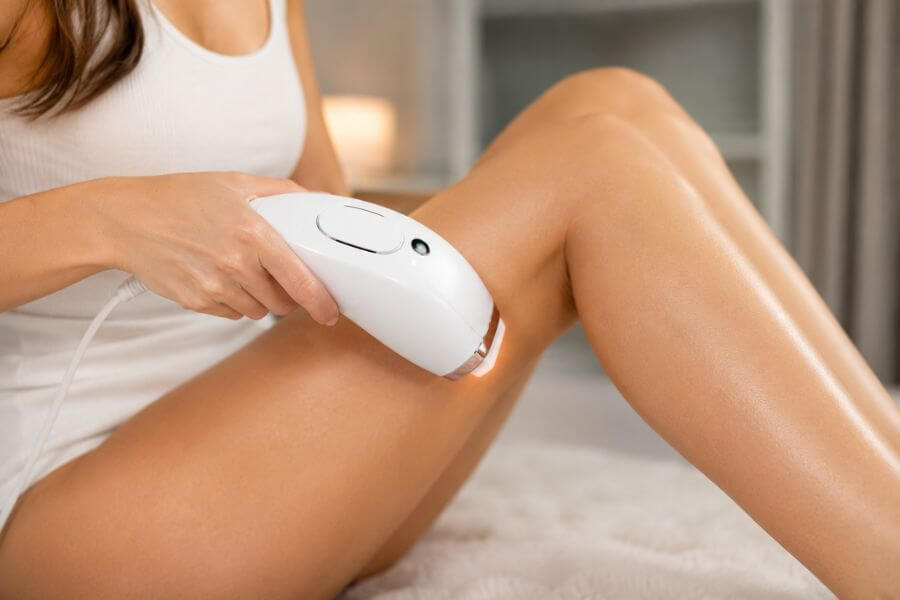
The device you hold in your hand emits a powerful beam of light. When you press the tool against your skin and flash it, the dark pigment in your hair attracts that light. Think of it like wearing a dark shirt on a sunny day. The dark fabric absorbs the heat from the sun, while a white shirt reflects it.
Once the pigment absorbs the light energy, that energy turns into heat. This sudden burst of heat travels down the hair strand right into the root. The heat damages the cells that are responsible for creating new hair. When those cells are damaged, the hair falls out, and the follicle goes into a resting phase. Over time, the hair grows back much slower, thinner, and lighter than before.
Active Growth Cycles
Your hair does not all grow at the very same time. In fact, each individual strand on your body is in a different stage of life. There are three primary phases in the cycle of hair growth.
- The Active Phase: This is when the hair is actively growing and is firmly attached to the root. The follicle has plenty of pigment. This is the only stage where light treatments actually work.
- The Transitional Phase: The hair stops growing and begins to detach from the root base. The pigment shrinks away, making the light treatment ineffective.
- The Resting Phase: The old hair rests while a new hair begins to form underneath it. The old strand eventually falls out on its own.
Because only a certain percentage of your hair is in the active phase during any single week, you cannot get rid of all your hair in one session. You have to repeat the treatments over a span of many weeks to catch every single hair while it is in that active growing stage.
Different Types of Light Devices
When you shop for a device, you will notice two main types of technology on the shelves. While people call both of them lasers, they actually use different methods to send light into your skin.
- True Laser Devices: These use a single, concentrated wavelength of light. This beam is highly focused and travels straight down the hair shaft. It is very powerful and precise.
- Intense Pulsed Light Devices: Often called IPL, these tools use a broad spectrum of light, similar to a powerful camera flash. The light spreads out more, which means it covers a larger area of skin at once, but it is slightly less focused than a true laser.
Is Your Skin and Hair Type a Match
This is the most critical part of the entire process. At-home light devices are not universal tools. Because the light looks for dark pigment, the color of your skin and the color of your hair matter immensely.
The Ideal Contrast
The ideal match for an at-home device is very light skin combined with very dark hair. When your skin is light and your hair is dark, the light knows exactly where to go. It passes safely through the skin and strikes the dark root.
If your skin is very dark, it contains a lot of melanin. The device cannot tell the difference between the dark hair and the dark skin. If you try to use the device, your skin will absorb the light energy instead of your hair. This can cause severe burns, blisters, and changes in your skin color.
On the flip side, if your hair is blonde, red, white, or gray, it lacks the dark pigment needed to attract the light. The energy will simply pass through the hair without heating up the root, giving you zero results.
Checking the Color Charts
Most device boxes come with a color grid on the side. You must check this grid carefully before you buy or use the tool.
| Skin Tone Classification | Hair Color Suitability | Device Safety Status |
| Very Pale White Skin | Dark Brown or Black Hair | Completely Safe and Effective |
| Light Olive Skin | Medium Brown Hair | Safe with Correct Energy Settings |
| Medium Brown Skin | Dark Brown Hair | Use with Extreme Caution or Built-in Sensor |
| Very Dark Brown Skin | Black Hair | Unsafe, Do Not Use Device |
| Pale White Skin | Red or Light Blonde Hair | Ineffective, Light Will Not Absorb |
Preparing Your Skin the Right Way
You cannot just open the box and start flashing your skin right away. If you want the best results and the fewest side effects, you need to prepare your skin like a professional.
The Shaving Rule
You must shave the treatment area before every single session. This surprises many people because they think the laser needs to see the hair on the outside.
If you leave long hairs on the surface of your skin, the light will hit those hairs first. The hair on the outside will burn, smell terrible, and potentially scorch your skin surface. By shaving, you remove the hair above the skin but leave the root intact beneath the surface. This allows the light to travel straight down into the follicle without obstruction.
What to Avoid Before Treatment
Preparation also means knowing what not to do to your body in the weeks leading up to your session.
- No Waxing or Plucking: Do not pull the hair out from the root. If you wax, pluck, or use an epilator, you remove the target that the light needs to find. Shaving is the only acceptable method.
- No Sun Tanning: Avoid fake tans, tanning beds, and direct sun exposure for at least two weeks before a session. Tanned skin has extra pigment active on the surface, which raises your risk of getting burned by the device.
- No Heavy Lotions or Oils: Your skin must be totally clean, dry, and free of cosmetics, deodorants, or numbing creams when you perform the treatment.
Performing a Skin Patch Test
Before you treat an entire leg or arm, you must do a patch test. Choose a small, hidden spot on the area you plan to treat. Flash that spot once or twice using a low energy setting.
Wait a full twenty-four hours to see how your skin reacts. If you experience normal minor redness that fades quickly, you are good to go. If you notice blisters, dark spots, or lasting pain, do not use the device on the rest of your body.
Step-by-Step Guide to a Safe Session
Once your skin is prepared and your patch test is successful, you are ready for your full session. Follow these steps carefully to keep your skin happy and healthy.
Setting the Energy Level
Most modern devices have multiple power settings, usually numbered from one to five. Newer models even have automatic sensors that read your skin tone and select the power for you.
If your device is manual, always start on level one. You want to feel a warm sensation, almost like a rubber band snapping against your skin. It should feel noticeable but never truly painful. If it hurts, lower the setting immediately. Higher settings can bring quicker results, but only if your skin can safely handle that level of energy.
Moving the Device Across Your Body
Hold the device flat against your skin. Most tools have a built-in safety lock that will prevent the flash from firing unless the window is fully covered by your skin. This protects your eyes from stray light.
Press the flash button and then move the device to the next spot. You want to create a neat grid pattern. Do not overlap your spots too much, and never flash the exact same spot twice during a single session. Flashing an area multiple times in one day will not speed up your hair loss, but it will definitely irritate or burn your skin.
Post-Treatment Skin Care
Your skin might feel a bit warm and tender after you finish, very much like a mild sunburn. This is completely normal and usually goes away within a few hours.
Apply a generous amount of pure aloe vera gel to soothe the area. Avoid using heavily scented lotions, physical body scrubs, or hot showers for the first twenty-four hours. When you go outside, protect the treated skin with a broad-spectrum sunscreen to prevent sun damage, as your skin will be extra sensitive to UV rays.
Safe Treatment Zones and Areas to Avoid
While you can use home devices on many parts of your body, some zones require extra caution, and some are completely off-limits.
Safe Areas for Men and Women
For most individuals with compatible skin tones, the following areas are standard treatment zones.
- The Legs and Arms: These areas are generally resilient and respond very well to light treatments.
- The Underarms: The skin here is thin, so it might feel a bit more sensitive, but it is safe to treat.
- The Bikini Line: You can treat the outer edges of this area, but keep the device away from more sensitive inner tissues.
- The Face (Below the Cheekbones): Women can safely treat the upper lip, chin, and jawline, provided the device is approved for facial use.
Strict No-Go Zones
Never use an at-home laser device on these specific parts of your body under any circumstances.
- Around the Eyes: This includes your eyebrows and forehead. The light can cause permanent, severe damage to your vision if it enters your eyes.
- The Scalp: The hair follicles here are too dense, and the skin is not suited for these specific light levels.
- Genital Areas: The skin in these regions is highly sensitive and often darker than the rest of your body, meaning it can burn instantly.
- Over Tattoos, Moles, or Freckles: Dark spots absorb too much energy. If you flash over a tattoo, the laser can distort the ink and cause deep, painful skin burns.
Tracking Your Results Week by Week
Do not expect to see hairless skin after your first attempt. This is a journey that unfolds over several months. Here is a realistic timeline of what you will likely experience.
Weeks One to Four
During the first month, you might feel like nothing is happening at all. You will still need to shave just as often as before. However, underneath the surface, some follicles are beginning to weaken. You may notice that the hair grows back slightly slower, or that it feels a bit softer when it emerges.
Weeks Five to Eight
This is the phase where you start to see visible proof of your efforts. You will begin to notice patchy areas where hair simply stops growing back entirely. When you do shave, you will notice that the remaining hairs are much finer and less coarse. You might also find that you can go longer between your regular shaves.
Weeks Nine to Twelve and Beyond
By the third month, a significant portion of your hair follicles should be resting. Many users see a dramatic reduction in overall hair density. Once you reach your desired level of smooth skin, you can stop doing weekly sessions. Instead, you will enter the maintenance phase, which means you only need to use the device once every few months to catch any stubborn strands that wake up.
Understanding Potential Side Effects
While these tools are designed for regular consumers, they are still powerful energy devices. You need to be aware of what is normal and what requires medical attention.
Normal and Expected Reactions
These minor reactions are part of the process and should fade within a day or two.
- Mild Redness: Your skin may look pink or slightly red immediately after a session.
- Warm Skin: The area might feel warm to the touch for a few hours.
- Slight Swelling: The tiny bumps around your hair follicles might swell slightly right after treatment.
Warning Signs of Misuse
If you experience any of the following symptoms, stop using the device immediately. These signs indicate that the setting was too high, the skin was too dark, or the area was not prepared properly.
- Blisters or Crusting: This means the surface of your skin was burned by the heat energy.
- Severe Pain or Burning: The sensation should never be unbearable or last for days.
- Hyperpigmentation: This is when dark patches form on your skin where you used the device.
- Hypopigmentation: This occurs when the skin loses its natural color, leaving light or white spots behind.
Comparing Home Devices and Professional Clinics
If you are still on the fence about whether to buy a home tool or book an appointment at a professional salon, it helps to compare the two options side by side across different categories.
| Feature Category | At-Home Light Devices | Professional Laser Clinics |
| Initial Money Investment | One-time purchase price for the machine | High cost per session for each body area |
| Overall Time Commitment | Frequent short sessions done by yourself | Fewer sessions spaced far apart with travel time |
| Power and Energy Levels | Lower settings for consumer safety | High medical-grade power for fast results |
| Privacy and Comfort | Total privacy in your own living space | Treatment performed by a trained technician |
| Skin Tone Versatility | Limited mostly to pale and medium skin | Advanced machines can treat all skin shades safely |
Frequently Asked Questions
Can teenagers use at-home laser hair removal devices?
Teenagers should use these tools with caution and ideally under parental guidance. Hormones fluctuate greatly during teenage years, which directly affects hair growth patterns. A teenager may find that their results do not last as long because new hair follicles are constantly developing as their body grows and matures. It is also vital that younger users strictly follow all safety rules, skin color checks, and eye protection rules to prevent permanent skin damage.
Does the treatment hurt more on certain areas of the body?
Yes, areas with thinner skin or more nerve endings will naturally feel more sensitive than others. Your underarms, bikini line, and upper lip will likely feel a sharper sensation compared to your thicker leg skin or arms. If an area feels too uncomfortable, you can lower the power level on your device to make the experience more comfortable while still sending energy to the roots.
What should I do if I miss a scheduled weekly session?
If you miss a week, there is no need to worry or try to make up for it by doing double sessions. Simply resume your regular schedule as soon as you remember. Missing a single week will not ruin your overall progress, but it might extend the total number of weeks required to see your final desired results, since some hairs may have slipped into a different growth phase while you were away.
Can men use these devices to manage facial hair and beards?
Men should avoid using these specific at-home devices on their faces or thick beards. Male facial hair is incredibly dense, coarse, and deeply rooted compared to female facial hair. Using a home device on a beard can cause extreme pain, patchiness, or uneven bald spots that look unnatural. It can also cause severe skin irritation due to the high amount of energy absorbed by such thick clusters of hair.
Is it safe to use the device while wearing body jewelry or piercings?
No, you must always remove all metal jewelry and piercings from the skin area you plan to treat. Metal can reflect or absorb the light energy in dangerous ways, leading to sudden skin burns or damage to your jewelry. If you have a permanent piercing that cannot be removed, you must carefully move the device around it, leaving a wide safety border so the light window never flashes over the metal piece.
Will home laser treatments get rid of my ingrown hairs?
Yes, this is one of the greatest secondary benefits of light treatments. Ingrown hairs happen when a shaved or waxed hair curls back under the skin and causes a painful bump. Because the device targets the root and stops the hair from growing entirely, it stops new ingrown bumps from forming. Over time, your skin surface becomes much smoother and clearer.
Can I share my device with a family member or friend?
You can share a device, but you must maintain strict cleanliness to protect everyone. Always wipe down the glass treatment window with a dry microfiber cloth or a gentle alcohol wipe, according to the user manual, before passing it to another person. Make sure the other person also checks the skin tone chart, as a device that is safe for your skin color might be dangerous for theirs.