Table of Contents
New Zealand is famous for its mountains, beaches, and adventure towns, but scattered across the country are places that once buzzed with life and now sit almost forgotten. These ghost towns tell stories of gold rush dreams, coal mining booms, railway projects, and communities that disappeared when industries collapsed or people moved on.
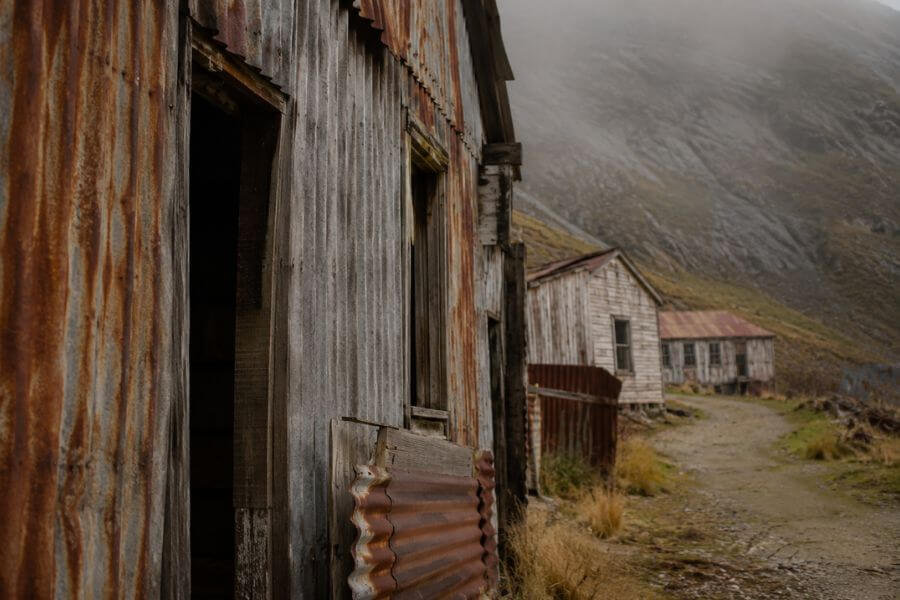
When you visit these abandoned places, you are not just looking at old buildings. You are stepping into pieces of New Zealand history that still carry a strong atmosphere. Some towns have only a few ruins left, while others still have weathered pubs, schools, churches, and streets that feel frozen in time.
In this guide, you will discover 10 ghost towns in New Zealand and the fascinating stories behind them. Whether you love history, road trips, photography, or unusual travel experiences, these forgotten places offer something memorable.
Quick Summary Table 🗺️
| Ghost Town | Region | What It Was Known For | Why It Declined |
|---|---|---|---|
| Waiuta | West Coast | Gold mining | Mine closure and dangerous conditions |
| Denniston | West Coast | Coal mining | Falling coal demand and harsh living conditions |
| Oturehua | Central Otago | Gold rush settlement | Gold supplies ran out |
| Lyell | West Coast | Gold mining town | Economic collapse after mining decline |
| St Bathans | Otago | Gold mining | Mining damage and population loss |
| Charleston | West Coast | Gold rush centre | Gold rush ended |
| Macetown | Otago | Remote mining village | Isolation and failing mines |
| Port Craig | Southland | Timber milling | Expensive operations and difficult access |
| Waikino | Waikato | Mining support town | Mining slowdown and disasters |
| Te Wairoa | Bay of Plenty | Tourist village near Pink and White Terraces | Destroyed by volcanic eruption |
How We Ranked These Ghost Towns 🧭
We ranked these ghost towns using a mix of travel appeal, history, and storytelling value. Here are the key factors we considered:
- Historical importance in New Zealand
- How much of the town still remains today
- Unique stories or local legends
- Scenic surroundings and atmosphere
- Accessibility for visitors
- Cultural significance
- Photography and exploration opportunities
- Connection to major events like gold rushes or disasters
1. Waiuta, West Coast ⚒️
Hidden deep in the rugged hills of the West Coast, Waiuta was once one of New Zealand’s richest gold mining towns. At its peak in the early 1900s, more than 600 people lived there. The town had schools, shops, hotels, and busy streets filled with miners and their families.
Life in Waiuta revolved around the Blackwater Mine, which produced large amounts of gold for decades. However, mining was dangerous. In 1951, after a major underground collapse, the mine shut down suddenly. Most residents left almost overnight.
Today, Waiuta feels eerily quiet. You can still wander through abandoned buildings, old machinery, and empty streets surrounded by dense forest. The remains of the school, miners’ huts, and the old jail create a powerful reminder of how quickly prosperity can disappear.
Walking through Waiuta gives you a real sense of isolation. Mist often rolls through the trees, adding to the haunting atmosphere that attracts history lovers and photographers alike.
2. Denniston, West Coast ⛰️
Perched high above the coast on a windy plateau, Denniston was once one of the toughest places to live in New Zealand. Coal miners endured freezing weather, thick fog, and dangerous working conditions while extracting coal from the surrounding hills.
Despite the harsh environment, the town grew rapidly in the late 1800s. Families built homes, children attended school, and workers relied on the famous Denniston Incline, a steep railway system that transported coal down the mountainside.
The problem was that life on the plateau was extremely difficult. Strong winds and isolation made daily living exhausting. When coal demand declined, people gradually moved away.
Today, ruins of buildings and industrial structures remain scattered across the landscape. The area feels dramatic and lonely, especially when clouds sweep across the plateau. Visiting Denniston gives you a glimpse into the hard lives many miners faced during New Zealand’s industrial era.
3. Oturehua, Central Otago 🌾
Unlike some completely abandoned ghost towns, Oturehua still has a tiny population, but it strongly reflects the fading spirit of New Zealand’s gold rush past.
During the 1860s gold rush, thousands of hopeful miners flooded Central Otago searching for fortune. Oturehua became one of many rough settlements that appeared almost overnight. Small cottages, muddy roads, and crowded pubs filled the landscape.
As the gold became harder to find, most people left. The town slowly shrank into a quiet rural settlement surrounded by wide open plains and dry hills.
One of the most interesting features in Oturehua is the old Gilchrist Store, which looks much like it did decades ago. The vintage buildings and peaceful surroundings make the town feel like a living time capsule.
Visiting Oturehua is less about ruins and more about atmosphere. You can sense how the excitement of the gold rush slowly faded into silence.
4. Lyell, West Coast 🪙
Lyell was once a booming gold mining town with thousands of residents, several hotels, and a busy commercial centre. Located along the Buller Gorge, it became an important stop during the gold rush years.
Miners believed the area held endless riches, but over time, the gold became harder and more expensive to extract. Businesses closed, families left, and the town gradually emptied.
Nature has now reclaimed much of Lyell. Forest covers many former streets and building sites. However, you can still explore old cemetery grounds, mining relics, and historic walking tracks.
The quietness of Lyell makes it particularly fascinating. Unlike modern tourist towns, there are few signs of commercial development. It feels untouched, with history slowly blending back into the landscape.
Many visitors say the abandoned cemetery is one of the most emotional parts of the experience because it reflects the difficult lives miners and their families endured in isolated conditions.
5. St Bathans, Otago 💧
St Bathans may be one of New Zealand’s most visually striking ghost towns thanks to the bright blue lake beside it. But this beautiful lake exists because of destructive gold mining.
Hydraulic mining in the 1800s blasted away huge sections of land using high-pressure water cannons. Over time, the digging created deep pits that later filled with water.
The town once had a thriving population, but mining activity damaged the land so heavily that long-term growth became impossible. As jobs disappeared, people moved away.
Today, St Bathans has only a handful of residents. Historic stone buildings still stand near the lake, giving the area a strange mix of beauty and sadness.
The old Vulcan Hotel is especially famous. Locals and visitors often share ghost stories connected to the building, adding another layer of mystery to the town’s history.
6. Charleston, West Coast 🌊
Charleston exploded into life during the gold rush of the 1860s. At one point, it reportedly had thousands of residents, dozens of hotels, dance halls, and gambling houses.
Gold seekers arrived from around the world, hoping to strike it rich. The town became noisy, crowded, and full of excitement. However, like many boom towns, the success did not last.
Once the gold deposits declined, businesses collapsed, and residents quickly moved elsewhere. Charleston faded far faster than it had grown.
Today, little remains of the original settlement, but the surrounding landscape still tells the story. Walking tracks, caves, and remnants of mining activity can still be explored.
Charleston is a reminder of how temporary gold rush prosperity often was. Entire communities rose and disappeared within just a few decades.
7. Macetown, Otago 🚙
Reaching Macetown is part of the adventure. Located deep in a remote valley near Arrowtown, this abandoned mining settlement requires multiple river crossings and rough roads to access.
Macetown once supported hundreds of miners searching for gold in the surrounding hills. The settlement included homes, hotels, and stores, despite its isolated location.
Living conditions were extremely difficult. Floods, harsh winters, and isolation made survival challenging. When mining profits dropped, residents slowly abandoned the valley.
Today, visitors can see restored stone cottages, old mining equipment, and cemetery sites. The mountains surrounding Macetown create a dramatic backdrop that makes the town feel both beautiful and eerie.
Because it is harder to reach than many ghost towns, Macetown often feels especially untouched and atmospheric.
8. Port Craig, Southland 🌲
Port Craig was not built for gold or coal. Instead, it was created for the timber industry in the early 1900s.
The settlement was ambitious. Workers built a sawmill, homes, workshops, and an impressive bush tramway system designed to transport timber through difficult terrain.
Unfortunately, the operation became too expensive to maintain. Harsh coastal conditions and financial problems eventually forced the mill to close.
Most residents left, leaving behind decaying structures slowly consumed by nature. Today, trampers walking the South Coast Track can still find remnants of Port Craig hidden among the forest.
The old viaducts near the settlement are particularly impressive and give visitors a glimpse into the scale of the original project.
9. Waikino, Waikato 🚂
Waikino was once closely tied to the nearby Martha gold mine in Waihi. It served as a support town with workers, businesses, and an important processing plant.
The town suffered several setbacks over the years, including industrial decline and a deadly explosion at the Waikino Hotel in 1911. As mining activity slowed, the population dropped significantly.
Although Waikino is not completely abandoned, parts of the old industrial area feel frozen in time. Historic buildings and railway connections still remain.
What makes Waikino interesting is how it reflects the rise and fall of industrial New Zealand. It shows how entire communities depended on one industry and struggled when that industry weakened.
The nearby Hauraki Rail Trail now brings visitors through the area, giving the town a second life through tourism.
10. Te Wairoa, Bay of Plenty 🌋
Te Wairoa is often called New Zealand’s most famous ghost town because of the tragic disaster that destroyed it.
The village was originally a popular tourist stop for visitors travelling to see the Pink and White Terraces, once considered one of the natural wonders of the world.
In 1886, Mount Tarawera erupted violently during the night. The eruption buried Te Wairoa under ash and mud, killing many residents and destroying homes.
Unlike mining towns that faded gradually, Te Wairoa disappeared suddenly through a natural disaster. Excavations later uncovered parts of the buried village, including buildings and personal belongings.
Today, the site operates as a historic attraction where visitors can walk through preserved ruins and learn about the eruption’s devastating impact.
The story of Te Wairoa remains one of the most emotional and powerful chapters in New Zealand history.
Conclusion 🏚️
New Zealand’s ghost towns are more than abandoned places. They are reminders of ambition, hardship, disaster, and survival. Each town tells a different story about the people who once believed they could build a future there.
Some disappeared because gold ran out. Others struggled against harsh landscapes or economic collapse. One vanished under volcanic ash in a single night.
When you visit these forgotten places, you experience a quieter side of New Zealand that many travellers never see. You can walk through old streets, stand beside ruined buildings, and imagine what life once felt like during the country’s boom years.
For travellers who enjoy history, mystery, and unusual destinations, these ghost towns offer unforgettable experiences far beyond the typical tourist trail.
Frequently Asked Questions 🔦
Are New Zealand ghost towns safe to visit?
Most ghost towns are safe if you stick to marked tracks and follow local safety signs. However, some ruins and mining areas can be unstable, so you should avoid entering unsafe structures.
Which ghost town is easiest to visit for first-time travellers?
Te Wairoa is one of the easiest because it operates as a managed historic site with facilities and clear walking paths. St Bathans is also simple to access by road.
Can you stay overnight in any New Zealand ghost towns?
Some nearby areas offer accommodation, and a few ghost towns still have tiny resident populations. However, most abandoned settlements themselves do not have regular accommodation options.
Why did so many ghost towns appear in the South Island?
Many South Island ghost towns were linked to gold mining and coal mining. When these industries declined, workers and families moved away in search of jobs elsewhere.
Are there ghost stories connected to these towns?
Yes, several ghost towns have local legends and paranormal stories. Places like St Bathans and old mining settlements are especially known for tales of hauntings and unexplained events.