Table of Contents
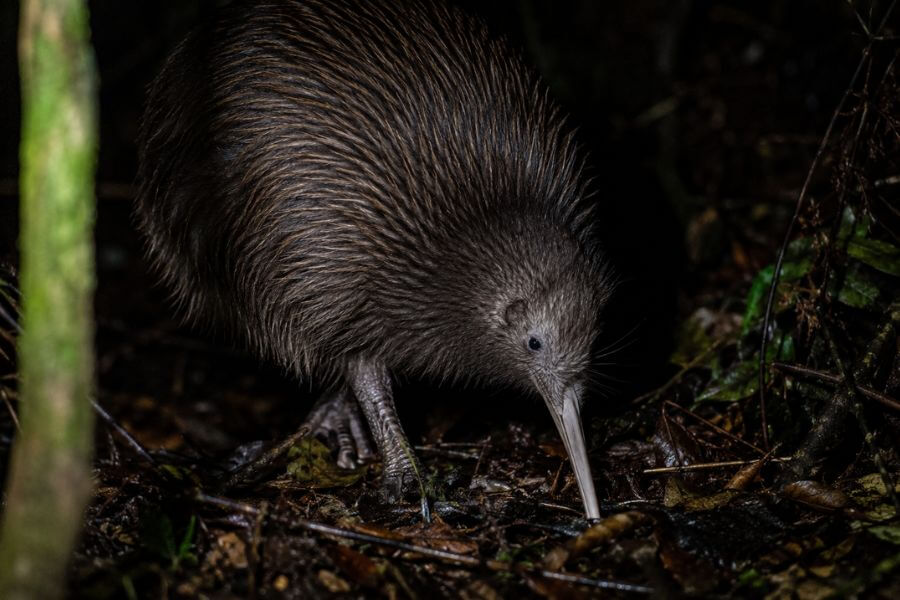
Seeing a kiwi bird in the wild is one of the most special experiences you can have in New Zealand. These shy, flightless birds are active mainly at night, which means your best chance of spotting one comes after dark. Hearing the rustle of leaves in the forest and suddenly seeing a kiwi searching for food feels unforgettable.
Because kiwi birds are rare and protected, you need patience, quiet behaviour, and the right location. Some places offer guided night walks, while others have predator-free islands or protected forests where kiwi populations are stronger. Whether you are travelling through the North Island or the South Island, there are several excellent spots where you can try your luck.
This guide covers 10 of the best places to see kiwi birds in New Zealand after dark, including what makes each place special and tips to improve your chances of seeing one.
Quick Summary Table 🦉
| Place | Island | Best Experience | Guided Tours Available | Chance of Seeing Kiwi |
|---|---|---|---|---|
| Zealandia Ecosanctuary | North Island | Urban wildlife sanctuary | Yes | High |
| Stewart Island | South Island | Wild beach sightings | Yes | Very High |
| Rainbow Springs Kiwi Experience | North Island | Kiwi conservation centre | Yes | High |
| Trounson Kauri Park | North Island | Forest night walks | Limited | Moderate |
| Kapiti Island | North Island | Predator free island | Yes | High |
| Orokonui Ecosanctuary | South Island | Protected wildlife reserve | Yes | Moderate |
| Waitangi Forest | North Island | Remote natural habitat | No | Moderate |
| Ulva Island | South Island | Native bird paradise | Yes | High |
| Tongariro Forest | North Island | Wild kiwi habitat | Limited | Moderate |
| Rotokare Scenic Reserve | North Island | Predator fenced reserve | Yes | High |
How We Ranked These Places ⭐
We looked at several important factors to choose the best places for seeing kiwi birds after dark:
- Chances of seeing kiwi birds in the wild
- Quality of guided night tours
- Protection and conservation efforts
- Accessibility for visitors
- Natural atmosphere and scenery
- Visitor reviews and overall experience
- Safety and ease of night walking
- Variety of native wildlife nearby
1. Zealandia Ecosanctuary, Wellington 🥝
Located near the heart of Wellington, Zealandia Ecosanctuary is one of the easiest and most reliable places to see kiwi birds after dark. The sanctuary is surrounded by a predator-proof fence, allowing native wildlife to thrive in a protected environment.
Night tours here are very popular because guides use their knowledge of kiwi behaviour to help visitors spot birds quietly moving through the forest. Even if you do not see a kiwi immediately, the atmosphere alone is worth it. You may also hear little spotted kiwi calls echoing through the valley.
The walking tracks are well-maintained, making this a great option if you want a comfortable but authentic wildlife experience close to the city.
2. Stewart Island 🏝️
Stewart Island is often considered the best place in New Zealand to see kiwi birds in the wild. The southern brown kiwi population here is active and relatively used to human presence in some areas.
Many visitors head to Ocean Beach at night with local guides who know where kiwi commonly appear. Unlike many other locations, sightings here can happen out in the open along beaches or near forest edges.
Because the island is remote and peaceful, the entire experience feels more natural and adventurous. You should dress warmly and prepare for changing weather conditions, but the reward can be incredible.
3. Rainbow Springs Kiwi Experience, Rotorua 🌿
In Rotorua, the Rainbow Springs Kiwi Experience combines conservation work with visitor education. While it includes managed environments rather than completely wild sightings, it remains one of the best places to learn about kiwi birds and observe their nighttime behaviour.
Special lighting inside kiwi habitats mimics darkness while allowing visitors to see the birds naturally foraging. You can watch them sniffing through the soil with their long beaks and moving surprisingly quickly.
This option works especially well for families or travellers who want a guaranteed kiwi experience without long night hikes.
4. Trounson Kauri Park, Northland 🌲
Trounson Kauri Park offers a more traditional forest experience. The loop track through giant kauri trees becomes especially atmospheric at night.
Kiwi sightings are never guaranteed here, but the area has a healthy kiwi population. Walking quietly with a torch that uses a red filter gives you the best chance of spotting movement near the forest floor.
The forest itself feels magical after dark, with glow worms, insects, and native bird calls adding to the adventure. It is a rewarding stop if you enjoy nature and do not mind a little patience.
5. Kapiti Island 🛶
Kapiti Island is famous for native wildlife conservation. Access is controlled to protect the island ecosystem, which helps kiwi and other rare birds flourish.
Overnight stays on the island give you the best opportunity for kiwi spotting. After sunset, guided walks often reveal kiwi searching through leaves and undergrowth.
Because there are very few predators here, wildlife behaves naturally and confidently. Even outside kiwi sightings, you are likely to see many other native species during your visit.
6. Orokonui Ecosanctuary, Dunedin 🍃
Near Dunedin, Orokonui Ecosanctuary provides a peaceful wildlife experience in a carefully protected reserve.
Night tours focus on native species recovery and conservation efforts. Kiwi sightings can happen, although they may require patience because the reserve covers a large area with dense bush.
Visitors often appreciate how informative the guides are. You learn not only about kiwi birds but also about the wider challenges facing native New Zealand wildlife.
7. Waitangi Forest, Northland 🌌
Waitangi Forest is less touristy than many kiwi destinations, which can make the experience feel more authentic.
This large forest area is home to wild kiwi populations, especially North Island brown kiwi. There are no major tourist facilities, so you need to prepare carefully and respect the environment.
The lack of crowds means nights here are incredibly quiet. If you enjoy independent travel and remote landscapes, this can become one of the most memorable wildlife experiences in the country.
8. Ulva Island 🐦
Close to Stewart Island, Ulva Island is another excellent wildlife sanctuary.
The island is predator-free, creating a safe habitat for native birds. Guided evening walks can lead to kiwi sightings, especially during warmer months when birds are more active.
Ulva Island is also stunning during the daytime, with lush forest tracks and abundant birdlife. Spending both day and night here gives you a fuller appreciation of New Zealand’s unique ecosystem.
9. Tongariro Forest 🏔️
Tongariro Forest offers a more rugged and adventurous kiwi experience.
The forest is part of an important conservation area for kiwi recovery programmes. Guided tours are sometimes available, though many visitors explore independently.
The volcanic landscapes surrounding the forest add something special to the atmosphere. Walking through native bush under a dark sky near the mountains creates a dramatic setting for wildlife spotting.
10. Rotokare Scenic Reserve, Taranaki ✨
Rotokare Scenic Reserve is a fenced sanctuary protecting native wildlife from introduced predators.
Night tours here are becoming increasingly popular because kiwi populations are growing steadily inside the reserve. The calm lake setting and dense forest create ideal habitat conditions.
Guides often share stories about local conservation projects, helping visitors understand the effort required to protect kiwi birds for future generations.
Conclusion 🌏
Seeing a kiwi bird after dark is not just about spotting a rare animal. It is about experiencing New Zealand’s forests, islands, and conservation efforts in a deeper way. Whether you choose a guided sanctuary walk in Wellington or a remote beach adventure on Stewart Island, every location offers something unique.
Patience is important because kiwi birds are naturally shy. The quieter and more respectful you are, the better your chances become. Even on nights when sightings are brief, the atmosphere of New Zealand’s native bush after dark makes the journey worthwhile.
If wildlife experiences are high on your travel list, adding a kiwi night tour to your itinerary is something you are unlikely to forget.
Frequently Asked Questions ❓
What time are kiwi birds most active at night?
Kiwi birds are usually most active shortly after sunset and again before sunrise. Guided tours often begin in the evening because this gives visitors the best chance of seeing them searching for food.
Can you see kiwi birds without a guide?
Yes, you can in some locations, especially on Stewart Island and in certain forests. However, guided tours greatly improve your chances because guides know kiwi habits and active areas.
Are kiwi birds dangerous to humans?
No, kiwi birds are harmless and shy. They usually avoid people and prefer staying hidden in dense bush or forest areas.
What should you bring on a kiwi night walk?
You should wear warm clothing, comfortable walking shoes, insect repellent, and carry a torch with a red light if allowed. Red light disturbs wildlife less than bright white light.
Why are kiwi birds hard to spot?
Kiwi birds are nocturnal, quiet, and naturally cautious. Their dark feathers blend into forest surroundings, making them difficult to see even when they are nearby.