Table of Contents
New Zealand is one of the best places in the world to see wildlife in protected natural environments. From rare kiwi birds and ancient reptiles to playful seals and colourful native birds, the country has created many wildlife sanctuaries where conservation comes first. The best part is that many of these sanctuaries are open to the public, giving you the chance to experience nature up close while supporting important environmental work.
Whether you enjoy peaceful forest walks, guided eco tours, or spotting rare animals in the wild, you will find plenty of unforgettable experiences across both the North and South Islands. Some sanctuaries sit near major cities, while others are hidden on remote islands or deep inside the native bush.
This guide covers 10 wildlife sanctuaries in New Zealand that you can actually visit, including what makes each place special and why they deserve a spot on your travel list.
Quick Summary Table 🦜
| Sanctuary | Location | Best Known For | Ideal For |
|---|---|---|---|
| Zealandia | Wellington | Kiwi birds and restored ecosystem | Predator-free forest |
| Tiritiri Matangi Island | Auckland Region | Rare native birds | Birdwatchers |
| Orokonui Ecosanctuary | Dunedin | Native forest wildlife | Easy nature walks |
| Sanctuary Mountain Maungatautari | Waikato | Free-roaming native birds | Wildlife photography |
| Brook Waimārama Sanctuary | Nelson | Tuatara and native birds | Relaxed day trips |
| Kapiti Island Nature Reserve | Kapiti Coast | Little spotted kiwi | Guided eco experiences |
| Willowbank Wildlife Reserve | Christchurch | Kiwi encounters | Families with children |
| Pūkaha National Wildlife Centre | Wairarapa | Conservation breeding programs | Educational visits |
| Riccarton Bush | Christchurch | Ancient kahikatea forest | Short urban escapes |
| Ulva Island | Stewart Island | Free roaming native birds | Nature lovers and hikers |
How We Ranked These Wildlife Sanctuaries 🐾
We looked at several important factors to create this list:
- Quality of wildlife viewing opportunities
- Accessibility for public visitors
- Conservation importance
- Variety of native animals and birds
- Visitor experience and facilities
- Scenic beauty and atmosphere
- Educational value
- Walking tracks and guided tour options
- Family friendliness
- Overall uniqueness within New Zealand
1. Zealandia, Wellington 🌄
Zealandia is one of New Zealand’s most famous wildlife sanctuaries and for good reason. Located just minutes from central Wellington, this fully fenced ecosanctuary has become a model for conservation around the world.
When you visit, you step into a restored ecosystem where native species can thrive without introduced predators. You can walk through peaceful forest tracks while listening to birdsong that once almost disappeared from the region.
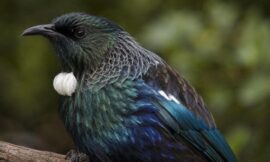
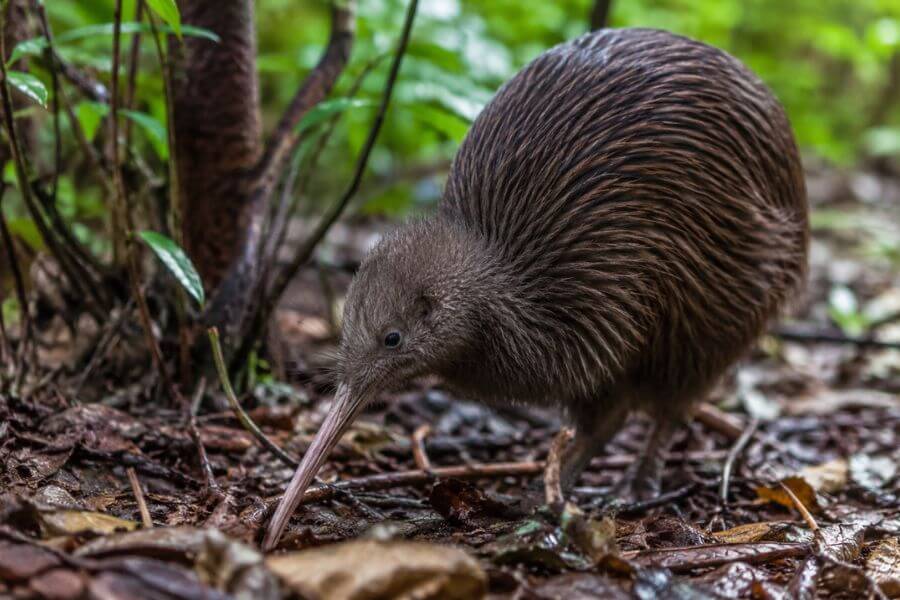
The sanctuary is especially well known for kiwi spotting. Night tours give you a strong chance of seeing these shy birds in their natural habitat. During the day, you may also spot tūī, kākā, takahē, tuatara, and many other native species.
One of the best things about Zealandia is how easy it is to explore. The tracks are well-maintained, and there are guided tours for visitors who want to learn more about conservation efforts. If you are visiting Wellington, this sanctuary is almost impossible to miss.
2. Tiritiri Matangi Island, Auckland Region 🐦
Tiritiri Matangi Island feels like a wildlife paradise floating in the Hauraki Gulf. Once farmland, the island has been transformed into one of New Zealand’s greatest conservation success stories.
The sanctuary is now home to some of the country’s rarest native birds. As you walk the island tracks, you may hear saddlebacks, bellbirds, and kōkako calling through the trees. Many birds here are incredibly fearless because predators have been removed from the island.
Getting there involves a scenic ferry ride from Auckland, which adds to the adventure. The island also has beautiful beaches, picnic areas, and a historic lighthouse.
If you love bird photography or peaceful nature walks, this sanctuary offers an experience that feels truly special.
3. Orokonui Ecosanctuary, Dunedin 🌱
Orokonui Ecosanctuary is one of the South Island’s top wildlife destinations. Surrounded by rolling hills and native forest, this sanctuary protects many endangered New Zealand species.
The walking tracks are easy to follow and suitable for most fitness levels. Along the way, you might see kākā flying overhead or hear native birds hidden among the trees.
Orokonui is also home to tuatara, one of the world’s oldest reptile species. Seeing these ancient animals up close is often a highlight for visitors.
The visitor centre is modern and informative, making it a great stop if you want to understand more about New Zealand’s conservation challenges and successes.
4. Sanctuary Mountain Maungatautari, Waikato 🦎
Sanctuary Mountain Maungatautari protects one of the largest predator-free forests in the country. Massive pest-proof fencing surrounds the mountain, creating a safe environment for rare native wildlife.
Walking through this sanctuary feels like stepping back hundreds of years into an ancient New Zealand forest. Towering trees, birdsong, and peaceful tracks create an unforgettable atmosphere.
You can join guided tours or explore independently. Kiwi birds, takahē, giant wētā, and tuatara all live within the sanctuary.
Photography lovers often rank Maungatautari highly because the forest scenery is stunning in every season.
5. Brook Waimārama Sanctuary, Nelson 🍃
Brook Waimārama Sanctuary is a hidden gem surrounded by beautiful native bush near Nelson.
This sanctuary focuses heavily on ecosystem restoration and species reintroduction. As you walk through the reserve, you may encounter native birds that are slowly returning to the area after decades of decline.
One standout feature is the large predator exclusion fence that protects the sanctuary’s wildlife. Tuatara have also been reintroduced here, giving visitors the rare chance to see these remarkable reptiles.
The walking tracks range from easy strolls to longer hikes, making it suitable for different travel styles.
6. Kapiti Island Nature Reserve, Kapiti Coast 🐥
Kapiti Island Nature Reserve is one of New Zealand’s most important wildlife sanctuaries.
Visitor numbers are carefully controlled to protect the island ecosystem, which helps create a quieter and more natural experience. Guided tours often include stories about Māori history, conservation work, and local wildlife.
Kapiti Island is famous for little spotted kiwi sightings. You may also see weka, kākā, and many seabirds during your visit.
The island’s steep walking tracks reward you with incredible coastal views, making this sanctuary just as scenic as it is educational.
7. Willowbank Wildlife Reserve, Christchurch 🦔
Willowbank Wildlife Reserve combines wildlife conservation with an easy family-friendly experience.
Unlike larger wilderness sanctuaries, Willowbank gives visitors reliable opportunities to see native animals in carefully designed habitats. Kiwi encounters are especially popular because you can often view the birds more closely than in the wild.
The reserve also features farm animals, heritage breeds, and cultural experiences, making it appealing for travellers with younger children.
If you want an accessible wildlife experience without long hikes, Willowbank is a strong option.
8. Pūkaha National Wildlife Centre, Wairarapa 🌳
Pūkaha National Wildlife Centre focuses strongly on conservation education and breeding programs for endangered species.
The centre has played an important role in protecting native birds such as kākā and kiwi. Walking trails lead through native forest where you can hear birdsong echoing through the trees.
Visitors can watch feeding sessions and learn directly from staff about the challenges facing New Zealand wildlife.
Pūkaha works well for travellers who enjoy educational experiences alongside nature exploration.
9. Riccarton Bush, Christchurch 🍂
Riccarton Bush is smaller than many sanctuaries on this list, but it offers something unique. Located within Christchurch, it protects one of the last remaining ancient kahikatea forests on the Canterbury Plains.
Boardwalks guide you through towering native trees while native birds move through the canopy above. It feels surprisingly peaceful considering its urban location.
Riccarton Bush is ideal if you want a short wildlife experience without leaving the city.
The reserve also has historical importance connected to early European settlement in Christchurch.
10. Ulva Island, Stewart Island 🏝️
Ulva Island is often described as one of New Zealand’s best open wildlife sanctuaries.
Completely predator-free, the island allows native birds to behave naturally without fear. Birds often walk directly along the tracks beside visitors, creating incredible wildlife encounters.
You can reach the island by a short boat trip from Stewart Island. Once there, walking tracks take you through untouched forest filled with birdsong.
Species commonly seen include robins, saddlebacks, and parrots. The peaceful atmosphere and remote setting make Ulva Island feel truly magical.
Conclusion 🌏
New Zealand’s wildlife sanctuaries offer far more than simple sightseeing. They give you the chance to experience rare native animals, support conservation work, and explore some of the country’s most beautiful natural environments.
From the predator-free forests of Maungatautari to the bird-filled shores of Tiritiri Matangi Island, every sanctuary on this list offers something different. Some are perfect for families, while others suit serious birdwatchers or adventurous travellers looking for remote wilderness.
No matter which sanctuary you choose, you will leave with a deeper appreciation for New Zealand’s unique wildlife and the people working hard to protect it for future generations.
Frequently Asked Questions ❓
What is the best wildlife sanctuary in New Zealand for seeing kiwi birds?
Many visitors consider Zealandia and the Kapiti Island Nature Reserve among the best places to see kiwi birds. Zealandia offers excellent night tours, while Kapiti Island provides a more remote natural setting.
Are New Zealand wildlife sanctuaries suitable for children?
Yes, many sanctuaries are family-friendly. Willowbank Wildlife Reserve and Zealandia are especially popular with families because they have easy walking tracks and educational activities.
Do you need to book wildlife sanctuary visits in advance?
Some sanctuaries accept walk-in visitors, but places like Kapiti Island often require advance bookings because visitor numbers are limited.
What should you bring when visiting a wildlife sanctuary?
Comfortable walking shoes, water, weather-appropriate clothing, sunscreen, and a camera are all useful. Binoculars are also great for birdwatching.
Can you visit wildlife sanctuaries year-round in New Zealand?
Yes, most sanctuaries stay open throughout the year. However, spring and summer are often the best seasons for bird activity and comfortable walking conditions.