Table of Contents
New Zealand is packed with incredible coastal scenery, but some of its best underwater experiences are hidden beneath the surface. If you love clear water, colourful fish, rocky reefs, and calm bays, you are in for a treat. Across the country, marine reserves protect sea life from fishing and other harmful activities, creating amazing places where snorkelling feels like swimming inside a natural aquarium.
Whether you are a beginner who wants calm water close to shore or an experienced snorkeller looking for rich marine life, New Zealand offers plenty of options. You can drift above giant kelp forests, spot stingrays gliding through shallow bays, or swim alongside schools of snapper and blue cod.
This guide covers 10 marine reserves in New Zealand that are perfect for snorkelling, including what makes each one special, the best time to visit, and what you can expect once you get in the water.
Quick Summary Table 🐠
| Marine Reserve | Location | Best For | Water Conditions | Wildlife Highlights |
|---|---|---|---|---|
| Goat Island Marine Reserve | Northland | Beginners | Calm and clear | Snapper, stingrays |
| Poor Knights Islands Marine Reserve | Northland | Advanced snorkellers | Deep and vibrant | Tropical fish, rays |
| Tāwharanui Marine Reserve | Auckland Region | Families | Gentle beaches | Eagle rays, snapper |
| Cathedral Cove Marine Reserve | Coromandel | Scenic snorkelling | Clear in summer | Reef fish, kelp |
| Te Whanganui A Hei Marine Reserve | Coromandel | Mixed skill levels | Sheltered coves | Crayfish, fish schools |
| Kapiti Marine Reserve | Wellington Region | Wildlife lovers | Variable | Blue cod, octopus |
| Long Bay Okura Marine Reserve | Auckland | Easy access | Calm near shore | Small reef fish |
| Horoirangi Marine Reserve | Nelson | South Island option | Cooler waters | Sponges, blue cod |
| Piopiotahi Marine Reserve | Fiordland | Unique scenery | Deep and dramatic | Black coral, fish |
| Taputeranga Marine Reserve | Wellington | City snorkelling | Best on calm days | Triplefins, rays |
How We Ranked These Marine Reserves 🐚
We ranked these snorkelling spots using several important factors to help you choose the best experience for your trip.
- Water clarity throughout most of the year
- Variety of marine life you can realistically see
- Safety and suitability for snorkellers
- Ease of access from shore or tour operators
- Scenic beauty above and below the water
- Beginner friendliness
- Overall uniqueness of the snorkelling experience
- Protected status and healthy underwater ecosystems
1. Goat Island Marine Reserve 🐟
Located near Leigh in the upper North Island, Goat Island Marine Reserve is often considered the best snorkelling spot in New Zealand for beginners. Officially called Cape Rodney Okakari Point Marine Reserve, it was the country’s first marine reserve and remains one of the most popular.
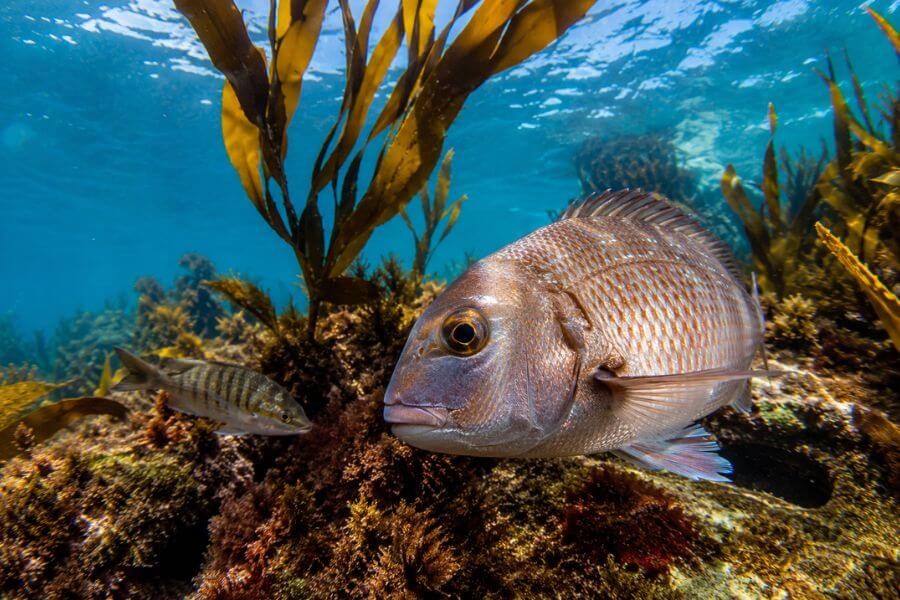
The biggest reason people love Goat Island is how easy it is. You can simply walk from the beach into shallow, clear water and immediately start seeing marine life. Large snapper swim surprisingly close to shore because fishing is banned in the reserve. Even nervous first-time snorkellers usually feel comfortable here.
During summer, visibility can be excellent, especially on calm mornings. You may also spot red moki, eagle rays, and colourful seaweed forests swaying beneath the surface. Kayaks and glass-bottom boat tours are also available if you want to explore more of the reserve.
The best time to visit is between December and April when the water is warmer and calmer.
2. Poor Knights Islands Marine Reserve 🦑
The Poor Knights Islands are legendary among divers and snorkellers. Located off the Northland coast, this marine reserve is famous for its rich biodiversity and dramatic underwater landscapes.
Unlike Goat Island, you usually need a boat tour to reach the islands. The extra effort is worth it. The underwater scenery here feels almost tropical during warmer months, thanks to currents that bring northern fish species into the area.
Snorkelling near sea caves, arches, and volcanic rock formations creates an unforgettable experience. You might spot rays, kingfish, schools of trevally, and colourful nudibranchs hiding among the rocks.
The water can be deeper and more exposed than in other reserves, so this spot is better suited to confident swimmers. Tour companies often provide all snorkelling gear and safety briefings.
Summer and early autumn offer the warmest conditions and best visibility.
3. Tāwharanui Marine Reserve 🐡
Just north of Auckland, Tāwharanui Marine Reserve combines beautiful beaches with protected waters full of marine life. It is one of the easiest marine reserves to access from the city, making it perfect for day trips.
The reserve sits beside Tāwharanui Regional Park, so you can combine snorkelling with hiking, camping, or wildlife spotting on land. The calm bays are ideal for families and casual snorkellers.
While snorkelling here, you may see snapper cruising through rocky reefs, as well as stingrays moving slowly over sandy patches. The underwater environment feels peaceful and less crowded than some famous tourist locations.
Early mornings usually provide the calmest water conditions. Summer weekends can get busy, so arriving early is a smart idea.
4. Cathedral Cove Marine Reserve 🪸
Cathedral Cove is already famous for its stunning coastal scenery, but many visitors do not realise the surrounding waters are also excellent for snorkelling.
The reserve includes rocky reefs, underwater caves, and patches of kelp forest that attract a wide range of fish species. Visibility improves significantly during settled summer weather, especially after several calm days.
The snorkelling areas around Gemstone Bay and Stingray Bay are particularly popular. Underwater information trails even help you identify marine life while you swim.
This reserve works well for travellers who want a mix of beach relaxation and light adventure. The walk into Cathedral Cove also adds to the overall experience, with incredible ocean views along the way.
5. Te Whanganui A Hei Marine Reserve 🐙
Although it surrounds Cathedral Cove, Te Whanganui A Hei Marine Reserve deserves its own mention because it covers a much larger area with several fantastic snorkelling spots.
The reserve protects a rich underwater ecosystem where fish populations have increased noticeably over the years. Calm coves and sheltered bays make this reserve suitable for different skill levels.
One of the best things about snorkelling here is the variety. Some areas feature rocky reefs packed with fish, while others have sandy bottoms where rays and shellfish can be seen.
You can spend several days exploring different sections of the reserve and still discover new underwater scenery each time. Hiring a kayak allows you to reach quieter areas away from the busiest beaches.
6. Kapiti Marine Reserve 🦀
Located off the Kapiti Coast near Wellington, Kapiti Marine Reserve offers a more rugged and natural snorkelling experience.
The waters here are cooler than those in northern New Zealand locations, but the marine life is impressive. Blue cod, crayfish, and octopus are commonly spotted around rocky reef systems.
Access often depends on weather conditions because the Cook Strait can become rough quickly. Calm days provide the best visibility and safest snorkelling conditions.
One of the highlights of Kapiti is the feeling of isolation. The reserve feels wild and less commercial than some better-known snorkelling spots. If you enjoy nature and quieter experiences, this reserve is well worth considering.
7. Long Bay Okura Marine Reserve 🐬
Long Bay Okura Marine Reserve sits close to Auckland and provides one of the easiest snorkelling experiences for people staying in the city.
The reserve includes sandy beaches, rocky platforms, and shallow reef areas that are suitable for beginners. While the marine life is not as dramatic as Poor Knights or Goat Island, it is still a rewarding place for casual snorkelling.
You may see small reef fish, crabs, and sea stars among the rocks. The gentle conditions make it ideal for children learning to snorkel for the first time.
Because of its convenient location, this reserve is especially popular during summer holidays and warm weekends.
8. Horoirangi Marine Reserve 🐋
Horoirangi Marine Reserve near Nelson is one of the South Island’s hidden gems for snorkelling. The waters are cooler, but underwater visibility can be surprisingly good during calm weather.
This reserve features rocky reefs covered with colourful marine growth, including sponges and seaweed. Blue cod are commonly seen, and lucky snorkellers may even encounter larger fish cruising deeper channels.
The reserve stretches along a scenic coastline with several access points, allowing you to choose quieter areas away from crowds.
The combination of mountain scenery and protected coastal waters gives this place a distinctly South Island feel that is very different from tropical-looking Northland reserves.
9. Piopiotahi Marine Reserve 🐧
Snorkelling in Fiordland is unlike anywhere else in New Zealand. Piopiotahi Marine Reserve, located in Milford Sound, offers a dramatic underwater environment shaped by deep fiords and heavy rainfall.
The water here is colder and darker, but that creates a unique ecosystem where deep-water species can survive much closer to the surface. Black coral, normally found at great depths, grows surprisingly shallow in this region.
Snorkelling tours often provide thick wetsuits because temperatures remain cool year-round. Visibility can vary depending on rainfall, but the scenery is always spectacular.
Towering cliffs, waterfalls, and misty landscapes above the water make this one of the most memorable snorkelling locations in the country.
10. Taputeranga Marine Reserve 🦐
Taputeranga Marine Reserve sits right beside Wellington city and proves you do not need to travel far for a good snorkelling experience.
The reserve protects a stretch of rocky coastline filled with marine life. On calm days, snorkellers can spot triplefins, sea stars, stingrays, and schools of small fish darting between rocks.
Island Bay is one of the most popular access points because it offers relatively sheltered water and easy shore entry.
Conditions here can change quickly due to Wellington’s windy weather, so checking forecasts before heading out is important. Calm sunny mornings usually provide the best experience.
Conclusion 🌅
New Zealand’s marine reserves offer some of the best snorkelling experiences in the southern hemisphere. From the tropical-feeling waters of the Poor Knights Islands to the dramatic fiords of Milford Sound, every reserve has its own personality and underwater beauty.
If you are new to snorkelling, Goat Island and Tāwharanui are fantastic places to start. If you want something more adventurous, Poor Knights Islands and Fiordland deliver unforgettable experiences filled with unique marine life and dramatic scenery.
No matter where you go, remember that marine reserves are protected areas. Respecting the environment helps keep these underwater ecosystems healthy for future visitors and marine life alike.
Frequently Asked Questions ❓
What is the best time of year for snorkelling in New Zealand?
Summer and early autumn are usually the best times for snorkelling. Water temperatures are warmer, visibility is often clearer, and weather conditions are generally calmer between December and April.
Do you need a wetsuit for snorkelling in New Zealand?
In most parts of New Zealand, wearing a wetsuit is recommended. Even during summer, the water can feel cool, especially in the South Island or deeper marine reserves.
Are New Zealand marine reserves safe for beginner snorkellers?
Many are beginner-friendly, especially places like Goat Island and Tāwharanui. Calm weather, shallow water, and proper safety gear make these reserves suitable for first-time snorkellers.
Can you see sharks while snorkelling in New Zealand?
You may occasionally see harmless shark species such as carpet sharks or small reef sharks, but encounters are uncommon. Marine reserves are generally considered very safe for snorkelling.
What should you bring for a snorkelling trip?
Bring a snorkel set, wetsuit, reef-safe sunscreen, towel, water shoes, and drinking water. A dry bag is also useful for keeping valuables protected near the beach.