Table of Contents
New Zealand is one of the best places in the world for birdwatching. Because the country was isolated for millions of years, many of its birds evolved in unique ways that you will not find anywhere else. Some cannot fly, some are active at night, and others have songs that sound almost magical in native forests.
If you enjoy nature, hiking, photography, or wildlife experiences, spotting native birds can become one of the highlights of your trip. From tiny offshore islands to deep rainforest tracks, New Zealand gives you plenty of chances to see rare and beautiful species in the wild.
This guide covers 10 amazing New Zealand native birds and the best places to see them. Whether you are planning a holiday or simply love birds, these locations can help you experience some of the country’s most unforgettable wildlife.
Quick Summary Table 🪶
| Bird | Best Spot to See It | Region | Best Time to Visit |
|---|---|---|---|
| Kiwi | Stewart Island | Southland | Night tours year round |
| Kea | Arthur’s Pass National Park | South Island | Early morning |
| Tūī | Zealandia | Wellington | Spring |
| Kākāpō | Codfish Island viewing programmes | Southland | Rare special access |
| Pūkeko | Wetlands across North Island | Nationwide | Sunrise or sunset |
| Kākā | Zealandia and Wellington hills | Wellington | Early morning |
| Takahē | Tiritiri Matangi Island | Auckland region | Spring and summer |
| Kererū | Rotorua forests | Bay of Plenty | Autumn |
| Fantail | Abel Tasman National Park | South Island | All year |
| Morepork | Native forests nationwide | Nationwide | Evening and night |
How We Ranked These Birds and Viewing Spots 🌿
We ranked these birds and locations using several important factors:
- Chances of seeing the bird in the wild
- Accessibility for visitors
- Natural beauty of the viewing area
- Uniqueness of the species
- Quality of conservation efforts
- Bird activity throughout the year
- Opportunities for photography
- Overall visitor experience
1. Kiwi and Stewart Island 🌙
The kiwi is New Zealand’s most famous bird and also one of the hardest to spot in the wild. This flightless bird is nocturnal, shy, and surprisingly fast when moving through the bush. Seeing one naturally is a memorable experience for many travellers.
Stewart Island is one of the best places to see kiwi birds without visiting a wildlife centre. The island has a healthy population of Southern Brown Kiwi, often called tokoeka. Because there are fewer predators here, kiwis sometimes wander close to walking tracks and beaches at night.
You can join guided night walks or quietly explore certain areas yourself. Patience is important. Keep your torch light low and stay silent while listening for rustling sounds in the forest.
The island itself is also stunning. You will find rugged coastlines, dense native bush, and peaceful walking trails that feel far away from busy city life.
2. Kea and Arthur’s Pass National Park 🏔️
The kea is the world’s only alpine parrot and one of the smartest birds you may ever encounter. These cheeky birds are known for their curiosity and playful behaviour. They often inspect backpacks, boots, and even car parts.
Arthur’s Pass National Park is one of the best places to see them. The mountain scenery alone makes the trip worthwhile, but the kea adds an extra level of excitement.
You will often spot kea near car parks, hiking tracks, and mountain viewpoints. Early mornings usually offer the best opportunities before crowds arrive.
While kea can appear friendly, you should never feed them. Human food is harmful to their health and changes their natural behaviour.
The dramatic mountain landscapes surrounding Arthur’s Pass create incredible photo opportunities, especially during winter when snow covers the peaks.
3. Tūī and Zealandia 🪺
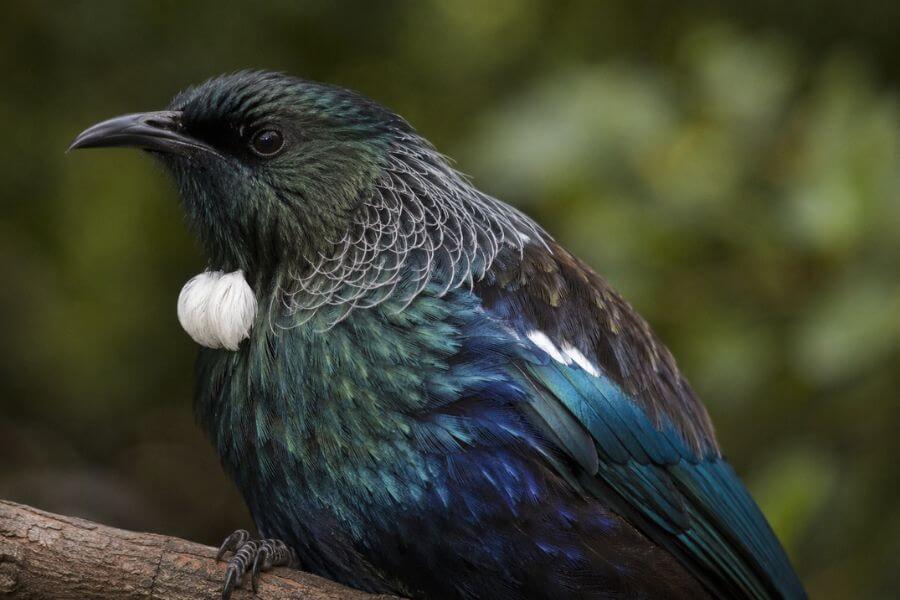
The tūī is one of New Zealand’s most recognisable songbirds. It has glossy dark feathers with blue and green tones that shine in sunlight. The small white tuft under its neck makes it easy to identify.
What really makes the tūī special is its voice. Its calls include clicks, whistles, and strange electronic-sounding notes that echo through the forest.
Zealandia in Wellington is an excellent place to see tūī up close. This predator-free sanctuary has helped native birds thrive again. Walking tracks wind through lush bush where tūī regularly feed on flowering trees.
Spring is an especially good time to visit because many native plants bloom during this season. The birds become very active and vocal while feeding on nectar.
You may also spot other native birds while exploring the sanctuary, making the experience even more rewarding.
4. Kākāpō and Codfish Island 🦜
The kākāpō is one of the rarest birds on Earth. It is a large, flightless parrot with soft green feathers and a gentle personality. Because so few remain, seeing one is extremely difficult and tightly controlled.
Most kākāpō live on protected predator-free islands such as Codfish Island near Stewart Island. Public access is highly restricted to protect the birds.
Although you are unlikely to casually encounter a kākāpō in the wild, special conservation events and educational programmes occasionally allow limited viewing opportunities.
The bird itself is extraordinary. It is nocturnal, long-lived, and surprisingly heavy for a parrot. Conservation teams work constantly to protect and monitor every individual bird.
Learning about the kākāpō gives you a deeper appreciation for New Zealand’s wildlife conservation efforts and the importance of protecting endangered species.
5. Pūkeko and North Island Wetlands 💧
The pūkeko is one of the easiest native birds to spot in New Zealand. With its bright blue and black feathers, red beak, and long legs, it stands out clearly in grassy wetlands.
You can find pūkeko throughout much of the country, especially in the North Island. Wetlands, lake edges, and farmland are all popular habitats.
Although they are common, they are still entertaining to watch. They often move through grass in groups while searching for insects and plants.
Sunrise and sunset are ideal times for photography because the softer light highlights their colourful feathers beautifully.
For travellers who prefer relaxed wildlife viewing without long hikes, pūkeko are a great choice.
6. Kākā and Wellington 🪵
The kākā is a large forest parrot known for its noisy calls and energetic personality. It has olive brown feathers mixed with flashes of orange and red underneath the wings.
Wellington has become one of the best urban areas to see kākā thanks to successful conservation work at Zealandia. Many birds now fly freely through nearby suburbs and parks.
You may hear them before you see them. Their loud screeches often echo across the hills during mornings and evenings.
Watching kākā feed and interact in the trees is fascinating because they are highly intelligent and social birds.
Combining a city visit with wildlife watching makes Wellington a fantastic destination for travellers who want both culture and nature.
7. Takahē and Tiritiri Matangi Island 🌺
The takahē was once believed to be extinct until it was rediscovered in the South Island in 1948. This large flightless bird has bright blue and green feathers along with a powerful red beak.
Today, carefully managed populations live in protected areas, including Tiritiri Matangi Island near Auckland.
A visit to the island feels special from the moment you arrive. Native birds are everywhere, and the predator-free environment allows wildlife to flourish naturally.
Takahē are relatively calm birds, which means visitors often get excellent viewing opportunities. You can sometimes observe them feeding close to walking tracks.
The island is also home to many other rare native species, making it one of New Zealand’s top wildlife destinations.
8. Kererū and Rotorua Forests 🍃
The kererū, or New Zealand pigeon, is a large forest bird with shimmering green, bronze, and white feathers. Despite its size, it moves gracefully through the trees.
Rotorua’s native forests are excellent places to spot kererū, especially where fruiting trees grow. These birds play an important role in spreading native seeds throughout the forest.
Kererū are known for their surprisingly noisy flights. You may hear the loud wing beats before noticing them perched high in the canopy.
Autumn is often the best season to see them feeding heavily on berries and native fruits.
Rotorua also offers geothermal attractions, lakes, and Māori cultural experiences, giving visitors plenty to enjoy beyond birdwatching.
9. Fantail and Abel Tasman National Park 🌞
The fantail is one of the friendliest native birds in New Zealand. Small, fast, and energetic, it often flutters close to people while chasing insects disturbed along walking tracks.
Its wide fan-shaped tail makes it instantly recognisable.
Abel Tasman National Park is a wonderful place to encounter fantails. The combination of coastal forest, golden beaches, and easy walking trails creates a relaxed environment for wildlife watching.
Fantails are active all year and can appear surprisingly curious around hikers.
Because they move quickly, photographing them can be challenging, but that also makes spotting one feel exciting and rewarding.
The park’s scenic coastal views add even more charm to the experience.
10. Morepork and Native Forests 🌌
The morepork, also called ruru, is New Zealand’s native owl. It is mostly active at night and known for its haunting “more pork” call that echoes through forests after dark.
You can hear and sometimes see moreporks in many native forest areas across the country. Quiet bush tracks away from city lights offer the best opportunities.
Night walks guided by local experts can greatly improve your chances of spotting one perched silently in the trees.
The morepork has an important place in Māori culture and is often associated with mystery and spiritual meaning.
Seeing one in the wild at night can feel truly magical, especially in peaceful forest surroundings.
Conclusion 🌏
New Zealand’s native birds are unlike anything you will see elsewhere in the world. From the curious kea in the mountains to the secretive kiwi in the forest, each species offers its own unique experience.
Many of these birds survive today because of major conservation efforts across the country. By visiting responsibly and respecting wildlife rules, you help support the protection of these incredible species for future generations.
Whether you are an experienced birdwatcher or simply someone who enjoys nature, exploring New Zealand’s birdlife can become one of the most rewarding parts of your journey.
Frequently Asked Questions ❓
What is the best season for birdwatching in New Zealand?
Spring and early summer are usually the best times because many birds are more active during the breeding season. Native plants also flower during this period, attracting nectar-feeding birds.
Do I need guided tours to see native birds?
Not always. Many birds can be seen independently in national parks and sanctuaries. However, guided tours are very useful for spotting nocturnal or rare species like kiwi and morepork.
Are New Zealand native birds dangerous?
Most native birds are harmless. Kea can sometimes be mischievous around belongings, but they are not aggressive if treated respectfully.
Can you see native birds in cities?
Yes. Cities like Wellington have strong conservation programmes that allow birds such as kākā and tūī to thrive even in urban areas.
What should you bring for birdwatching in New Zealand?
Comfortable walking shoes, waterproof clothing, binoculars, insect repellent, and a camera are all helpful. Quiet clothing colours also improve your chances of getting closer to birds naturally.