New Zealand is often seen as a dream destination, but many travellers worry about the cost. The good news is that you do not need a huge bank account to enjoy its mountains, beaches, forests, lakes, and friendly towns. With a little planning, you can experience some of the country’s most beautiful places while sticking to a backpacker budget.
Whether you are travelling for a few weeks or spending several months exploring both islands, there are plenty of affordable ways to get around, find accommodation, and enjoy activities without overspending. The key is knowing where to save money while still making the most of your adventure.
This guide covers the most affordable ways to see New Zealand on a backpacker budget so you can travel further, stay longer, and create unforgettable memories without breaking the bank.
Quick Summary Table 💰
| Rank | Affordable Travel Method | Best For | Budget Level |
|---|---|---|---|
| 1 | Travelling by Intercity Bus Passes | Long-distance travel | Very Low |
| 2 | Staying in Backpacker Hostels | Cheap accommodation | Very Low |
| 3 | Freedom Camping | Nature lovers | Extremely Low |
| 4 | Working Holiday Travel | Long-term travellers | Low |
| 5 | Hitchhiking Responsibly | Flexible adventurers | Extremely Low |
| 6 | Car Sharing with Other Travellers | Road trips | Low |
| 7 | Exploring Free Walking Tracks | Outdoor enthusiasts | Extremely Low |
| 8 | Using Community Campsites | Budget campers | Very Low |
| 9 | Cooking Your Own Meals | Food savings | Extremely Low |
| 10 | Travelling During Shoulder Seasons | Overall savings | Low |
How We Ranked These Options 📊
We ranked each budget travel method using the following factors:
- Overall affordability
- Ease of access for backpackers
- Potential money savings
- Availability across New Zealand
- Safety and practicality
- Ability to experience local culture
- Flexibility during travel
- Value for long-term trips
- Popularity among budget travellers
- Opportunities to see major attractions
1. Travel with Intercity Bus Passes 🚌
One of the easiest and most affordable ways to see New Zealand is by using long-distance bus passes. Bus networks connect most major cities, towns, and tourist destinations across both islands.
Instead of purchasing individual tickets for every journey, many travellers save money by buying travel passes that cover multiple routes. These passes can significantly reduce transport costs, especially if you plan to move around frequently.
Travelling by bus also removes the expenses associated with fuel, insurance, parking, and vehicle maintenance. You can relax during the journey, enjoy the scenery, and meet other travellers along the way.
For first-time visitors, buses provide an affordable and stress-free way to explore the country.
2. Stay in Backpacker Hostels 🏕️
Backpacker hostels remain one of the most budget-friendly accommodation options throughout New Zealand. Dormitory rooms are usually much cheaper than hotels, and many hostels provide excellent facilities.
Most backpacker hostels include:
- Shared kitchens
- Laundry facilities
- Common rooms
- Free Wi-Fi
- Travel information desks
- Social events
The ability to cook your own meals can save a significant amount of money over time. Hostels also offer opportunities to meet fellow travellers, making it easier to find travel companions or share transport costs.
Many hostels are located close to transport hubs and popular attractions, helping you reduce additional travel expenses.
3. Try Freedom Camping 🚐
Freedom camping is one of the most affordable ways to experience New Zealand’s incredible landscapes. In designated areas, travellers can stay overnight at little or no cost.
Imagine waking up beside a lake, overlooking mountains, or near a quiet beach without paying expensive accommodation fees.
Before choosing this option, it is important to understand local rules and regulations. Some regions only allow certified self-contained vehicles, while others offer designated camping areas.
When done responsibly, freedom camping allows you to spend more time in nature while keeping your travel budget extremely low.
4. Combine Travel with a Working Holiday 💼
If you qualify for a working holiday visa, this can be one of the smartest ways to explore New Zealand on a budget.
Many travellers work temporary jobs in:
- Hospitality
- Agriculture
- Tourism
- Retail
- Seasonal fruit picking
Earning money while travelling helps cover accommodation, food, and transport costs. It also allows you to stay longer and explore more regions without constantly worrying about expenses.
Working holiday experiences often provide a deeper understanding of local life and can lead to friendships with people from around the world.
5. Hitchhike Responsibly 👍
Hitchhiking remains relatively common in parts of New Zealand, particularly in popular backpacker regions.
For budget-conscious travellers, hitchhiking can dramatically reduce transport costs. Many locals and travellers are willing to offer rides, especially along popular tourist routes.
However, safety should always come first. Consider these tips:
- Travel during daylight hours
- Stay in visible locations
- Inform someone about your plans
- Trust your instincts
- Avoid isolated pickup points
While it may not suit every traveller, responsible hitchhiking can be a memorable and affordable way to see the country.
6. Share Costs with Other Travellers 🚗
Many backpackers save money by sharing transport costs with others.
If someone has rented or purchased a vehicle, splitting expenses such as fuel, parking, and ferry tickets can make road trips much cheaper.
Car sharing offers several benefits:
- Lower transport costs
- Greater travel flexibility
- Access to remote locations
- Shared driving responsibilities
- Social travel experiences
Travelling with a small group often makes some of New Zealand’s most scenic routes surprisingly affordable.
7. Explore Free Walking Tracks 🥾
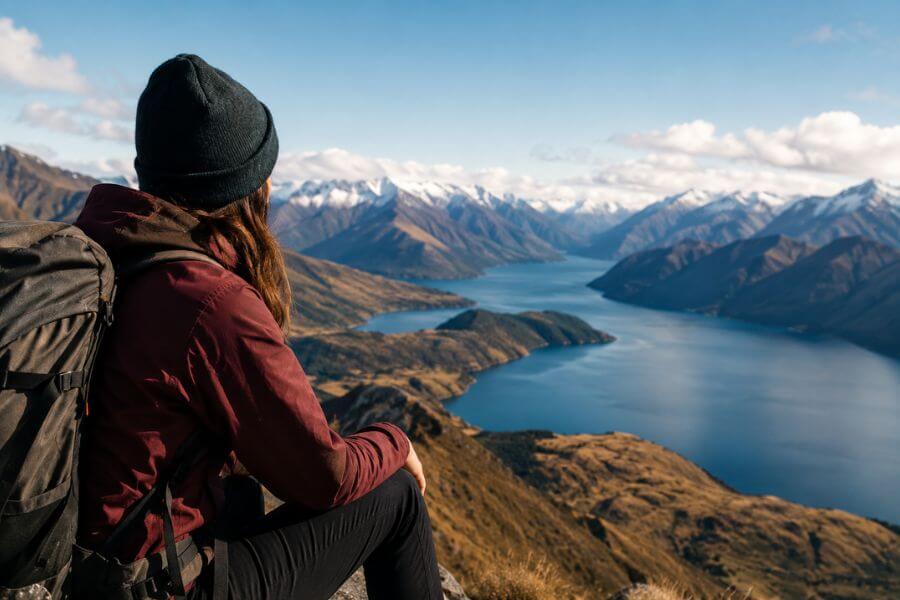
New Zealand is famous for its walking tracks, and many of the country’s best experiences cost absolutely nothing.
You can enjoy:
- Coastal walks
- Forest trails
- Waterfall hikes
- Lake circuits
- Mountain viewpoints
Many shorter walks are free and suitable for travellers of all fitness levels.
The country’s natural beauty is one of its greatest attractions, and you do not need to spend money on expensive tours to appreciate it. Some of the most memorable experiences involve simply walking through stunning landscapes at your own pace.
For backpackers, free hiking opportunities provide excellent value every day of the trip.
8. Stay at Community Campsites ⛺
Community and regional campsites offer another affordable alternative to hotels and private accommodation.
These campsites often provide:
- Toilets
- Showers
- Cooking facilities
- Picnic areas
- Safe overnight parking
Fees are generally much lower than traditional accommodation options. Some campsites are located in spectacular natural settings that would cost much more if booked through commercial operators.
For travellers with camping gear, this can significantly reduce overall travel expenses while still providing comfort and convenience.
9. Cook Your Own Meals 🍳
Food expenses can quickly become one of the biggest costs during any trip. Fortunately, New Zealand’s supermarkets make it easy to prepare affordable meals.
Instead of eating out every day, many backpackers save money by purchasing groceries and cooking at hostels or campsites.
Simple meal ideas include:
- Pasta dishes
- Sandwiches
- Rice meals
- Stir-fries
- Salads
- Breakfast oats
Preparing your own meals can save hundreds of pounds over the course of a longer journey. It also allows greater flexibility and healthier eating choices.
For budget travellers, cooking is one of the easiest and most effective money-saving strategies.
10. Travel During Shoulder Seasons 🍂
Timing can have a major impact on your travel budget.
The shoulder seasons, which sit between peak tourist periods and quieter months, often offer better value for:
- Accommodation
- Transport
- Activities
- Vehicle rentals
You may also enjoy fewer crowds at popular destinations.
Travelling outside the busiest holiday periods can make New Zealand feel more relaxed while helping your budget stretch much further.
Many backpackers find that shoulder season travel provides the perfect balance between good weather and affordable prices.
Conclusion 🌟
Travelling around New Zealand does not have to be expensive. By choosing affordable transport, staying in budget accommodation, cooking your own meals, and taking advantage of free outdoor activities, you can explore one of the world’s most beautiful countries without spending a fortune.
The most successful backpackers focus on experiences rather than luxury. New Zealand’s greatest attractions are often its landscapes, walking tracks, beaches, lakes, and welcoming communities, many of which cost very little to enjoy.
With smart planning and a flexible mindset, you can see far more of New Zealand than you might expect while staying comfortably within your budget.
Frequently Asked Questions ❓
How much money should I budget per day for backpacking in New Zealand?
A careful backpacker can often travel comfortably on a modest daily budget by using hostels, cooking meals, and choosing low-cost activities. Costs will vary depending on your travel style and season.
Is New Zealand safe for solo backpackers?
Yes, New Zealand is generally considered one of the safer travel destinations in the world. However, it is still important to take normal precautions, particularly when travelling alone or exploring remote areas.
Which island is cheaper for backpackers?
Costs can vary, but many backpackers find parts of the South Island slightly more expensive due to transport distances and seasonal demand. Careful planning can keep costs manageable on both islands.
Can I see New Zealand without renting a car?
Absolutely. Many travellers successfully explore the country using buses, organised transport networks, rideshares, and occasional domestic flights.
What is the cheapest month to visit New Zealand?
The lowest prices are often found outside peak summer holidays. Late autumn, winter, and parts of spring frequently offer lower accommodation and transport costs while still providing excellent travel experiences.