Key Takeaways
- Smart Protection: Modern sunscreens do not just block ultraviolet rays. They actively adapt to heat, sweat, humidity, and pollution to keep your skin safe in a changing world.
- Skin Care Mix: New formulas blend strong sun protection with deep moisture, skin brightening, and barrier repair, saving you time and steps in your daily routine.
- Planet Friendly: The latest ingredients protect your skin while staying safe for ocean life and coral reefs, helping you care for yourself and nature at the same time.
Imagine walking outside on a blazing summer day. Within minutes, the heavy humidity hits your face, sweat starts to bead on your forehead, and the intense heat makes you feel like your skin is melting. In the past, this meant your sunscreen would turn into a white, sticky mess, run into your eyes, and wash away completely.
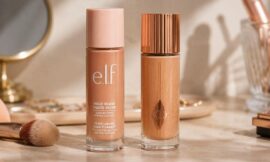
But a massive shift is happening right now in the beauty world. Brands are creating a brand-new generation of sun care products that actually work with the environment around you. These are climate-adaptive sunscreens and multi-use skin protection liquids, and they are changing the way we think about shielding our bodies from the sun.
The Big Shift in Daily Sun Care
For a very long time, people looked at sun protection as a chore. It was that thick, chalky white paste your parents rubbed on your face at the beach. It smelled funny, felt greasy, and clogged your pores. You only used it when you were swimming or spending hours at the park.
Today, things look totally different. The planet is getting warmer, weather patterns are becoming wilder, and scientists understand the sun much better than before. We now know that daily protection is a must, no matter the weather. Because of this, developers are fusing high-grade sun defense with the smooth, nourishing feel of premium face lotions.
Why Your Old Sunscreen Fails in Harsh Weather
When standard sun protection meets extreme conditions, it usually falls apart. High temperatures cause the protective layer on your skin to break up. Sweat creates channels in the cream, allowing harmful rays to slip right through the gaps. If you live in a crowded city, floating dirt and exhaust fumes mix with the greasy film, leading to breakouts and irritated skin. Traditional formulas simply were not built to handle the intense climate realities we face today.
The Power of Adaptive Tech
The newest bottles on the shelf do not just sit passively on top of your skin. They react to your environment. When you get hot, some of these formulas tighten their protective grid to shield you even better. When the air gets incredibly dry, they pull moisture from the air and lock it into your skin. It is like having a tiny, smart weather shield that changes its behavior based on what the sky looks like each day.
How Climate-Adaptive Formulas Work
It sounds like science fiction, but the mechanism behind these liquids is pure chemistry. Instead of using basic oils and waxes to hold the sun-blocking ingredients together, creators use smart polymers. These are tiny, chain-like structures that can expand, shrink, or lock together when they sense changes in temperature, moisture, or salt from your sweat.
Heat Activation Wonders
One of the coolest features of modern sun defense is heat alignment. When your skin temperature rises, the ingredients in the formula spread out more evenly. This fills in the invisible lines and creases on your face, creating a flawless shield exactly when you need it most. Instead of melting off, the product becomes more stable as the thermometer climbs.
Moisture Locking and Sweat Defense
We all know the annoying feeling of sunscreen washing off the moment we start to sweat. Adaptive formulas use special water-repelling traits that turn your sweat into an advantage. When the product senses moisture, it bonds even tighter to your skin cells. This keeps the protective layer intact while allowing your skin to breathe and cool down naturally.
Fighting Off City Pollution
Modern sun care also acts as a shield against invisible floating dirt. When smoke, dust, and car exhaust touch your face, they can cause dark spots and early aging. The new wave of sunshields creates an invisible, non-sticky barrier that stops these tiny dirt pieces from sinking into your pores. You can spend the whole day walking through a busy city without worrying about air pollution ruining your skin health.
The Rise of Multi-Use Hybrid Products
Most people do not want to apply five different lotions every single morning. It takes too much time, costs too much money, and feels too heavy on the skin. This desire for simplicity gave birth to the sun protection hybrid. These are all-in-one products that combine the benefits of a deeply hydrating lotion, a color-correcting makeup, and a strong sunshield.
Skincare Meets Sun Shielding
These modern liquids are packed with ingredients that used to only live in expensive night creams. You will find things like hyaluronic acid, which acts like a sponge to hold water in your skin cells. You will also see antioxidants like vitamin C and green tea extract, which brighten your skin tone and fix dark spots while the sunblock stops new ones from forming.
Makeup with Built-In Defense
If you like a little bit of color or coverage to hide blemishes, hybrids have you covered. Tinted sunscreens now come in dozens of shades to match every skin tone perfectly. They replace heavy foundation creams entirely. They blur your imperfections, give you a healthy glow, and provide full sun protection without looking cakey or dry.
Restoring Your Skin Barrier
Your skin has a natural outer wall that keeps good moisture in and bad germs out. Harsh winds, scorching sun, and scrubby soaps can damage this wall. The newest hybrid sunscreens contain ceramides and fatty lipids that repair this shield while you wear them. This means your skin actually gets healthier and stronger the more you use the product.
Finding Your Perfect Match
Not every environment is the same, which means you need to pick your sun care based on where you live or where you are traveling. A humid jungle requires a completely different approach than a dry, snowy mountain peak.
Solutions for Hot and Humid Zones
If you live in a place where the air feels thick and wet, look for feather-light liquids labeled as gels or fluids. These products dry down instantly to a smooth, matte finish, meaning they do not leave you looking shiny or oily. They control excess oil production throughout the day while ensuring your sweat does not wash away your safety layer.
Relief for Dry and Desert Air
When the air is hot and bone-dry, your skin loses water rapidly to the environment. For these climates, you need rich, creamy sun protectors that offer heavy moisture. These formulas use plant oils and water-binding elements to create a thick safety blanket, keeping your face soft, bouncy, and hydrated even under a burning desert sun.
Protection for Windy and Cold Climates
Many people forget that winter sun can be just as damaging as summer sun, especially if light reflects off white snow. Cold winds chap your face and make your skin flake. Winter sun hybrids are extra thick and soothing. They act like a warm jacket for your face, stopping windburn while blocking the intense ultraviolet rays that bounce off winter landscapes.
| Climate Type | Main Skin Challenge | Key Product Texture | Top Ingredient to Look For |
| Hot and Humid | Excess oil and sweat washout | Light gel or fluid | Silica and oil-controlling polymers |
| Dry and Desert | Severe water loss and irritation | Rich, velvety cream | Hyaluronic acid and glycerin |
| Cold and Snowy | Windburn and bright reflections | Heavy, soothing balm | Ceramides and plant-derived waxes |
Decoding the Label Terms
Walking down the beauty aisle can feel overwhelming because there are so many acronyms and scientific words printed on the bottles. Understanding these terms helps you make the best choice for your body.
Understanding SPF Ratings
SPF stands for sun protection factor. It measures how well the product shields you from UVB rays, which are the ones that cause painful red sunburns.
- SPF 15: Blocks about ninety-three percent of incoming rays. Good for short walks to the mailbox.
- SPF 30: Blocks about ninety-seven percent of rays. This is the golden standard for daily school or work days.
- SPF 50: Blocks about ninety-eight percent of rays. Ideal for long days at the beach, outdoor sports, or high-altitude hiking.
The Truth About Broad-Spectrum Protection
Sunscreens that only have an SPF number might only protect you from sunburns, but there is a second type of light called UVA rays. These rays penetrate deep into your skin, causing long-term damage, wrinkles, and dark patches without ever turning your skin red. Always look for the words broad-spectrum or a PA rating with plus signs on the label. This ensures you are fully protected against both types of light.
Physical vs Chemical Blockers
There are two main ways sunscreens stop light from hurting your skin cells, and many new hybrids actually mix both methods together for maximum power.
- Physical Blockers: These use natural minerals like zinc oxide or titanium dioxide. They sit on top of your skin like tiny mirrors, bouncing the sun rays away before they can touch you. They are excellent for sensitive skin but can sometimes look a bit white if not blended well.
- Chemical Blockers: These use safe carbon compounds that absorb the sun rays like a sponge. They turn the light into harmless heat and release it from your body. They are completely invisible and feel weightless, making them perfect for active sports and daily wear.
Protecting the Planet and Oceans
As we focus on keeping our bodies safe, we also have to think about the health of our earth. Every time we swim in the ocean or wash our faces at night, our skincare products rinse down the drain and enter the water systems.
The Reef-Safe Movement
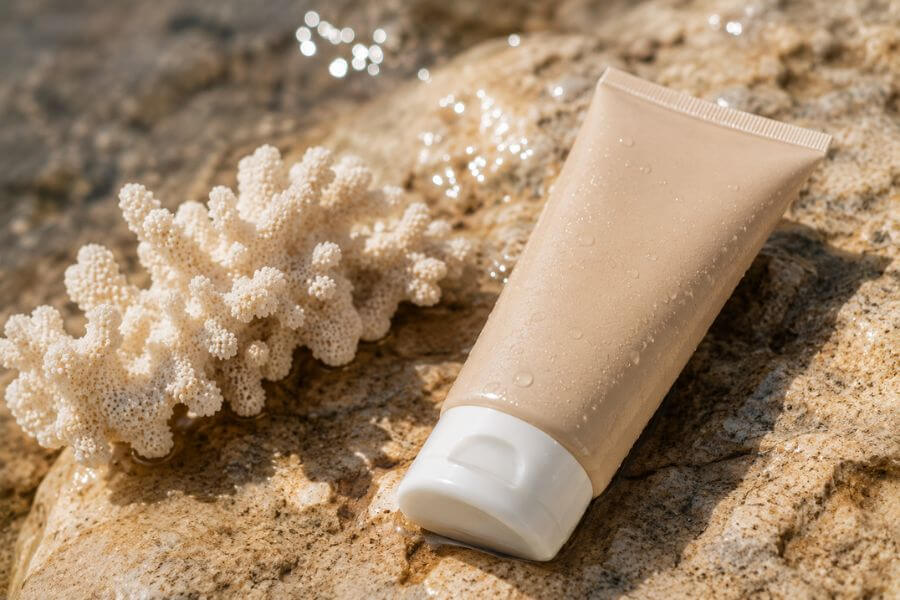
Millions of people use sunscreen before jumping into the ocean. Traditional chemical ingredients can wash off into the water and hurt delicate coral reefs, causing them to turn white and get sick. Because of this, modern sun care lines are shifting away from these older chemicals. They use specially coated minerals and clean compounds that stay on your skin or break down safely without harming sea turtles, fish, or coral beds.
Clean and Responsible Packaging
The eco-friendly movement does not stop at the liquid inside the bottle. Brands are now using bottles made from recycled ocean plastics, sugarcane tubes, and glass jars that can be repurposed. Some companies even offer refill pods, so you do not have to buy a whole new plastic pump every time you run out of your favorite sun shield.
How to Apply Sunscreen for Best Results
Even the smartest, most advanced climate-adaptive sunscreen will fail if you do not use it correctly. Most people only apply a fraction of the amount they actually need, leaving their skin unprotected.
The Two-Finger Measurement Rule
To get the full protection listed on your bottle, you need to use a generous amount on your face and neck. A simple way to measure this is by squeezing out two full lines of product directly onto your index and middle fingers. This amount provides the exact coverage needed to build a strong, even layer over your entire face, ears, and neck.
The Importance of Reapplication
Sunscreen is not a one-and-done step for the day. The protective compounds break down as they absorb light, and your body naturally sheds oils over time. You should apply a fresh layer every two hours if you are spending time outdoors. If you are wearing makeup, you can use adaptive sun powders or spray-on mists to refresh your shield without messing up your look.
Where People Always Forget to Apply
When rushing out the door, it is easy to miss hidden spots that are highly vulnerable to sun damage. Make sure you gently rub your hybrid fluid into these commonly forgotten zones:
- The tops and backs of your ears.
- The very back of your neck, especially if you have short hair or wear it up in a ponytail.
- Your eyelids and the delicate skin right under your eyes.
- The tops of your feet if you are wearing sandals or walking barefoot on the sand.
- Your lips, which require a specialized sun-blocking balm to stay plump and avoid painful cracking.
The Future of Sun Protection
We are only at the beginning of this exciting transition in skin health. Technology is moving incredibly fast, and the next few years will bring even wilder innovations to our bathroom counters.
Smart Labels and Color Changes
Imagine a bottle that changes color to warn you when the sun rays are reaching dangerous levels. Scientists are creating smart packaging that shifts from white to bright purple when ultraviolet levels spike, reminding you exactly when it is time to open the lid and reapply your lotion.
Personalized Sun Protection
In the future, you might not buy a standard bottle from a grocery store shelf. Instead, you will take a quick photo of your face with your phone, input your zip code, and a machine will mix a custom bottle of sunshield adjusted perfectly to your unique skin type and local weekly weather forecast.
Summary of Sunscreen Types
To help you choose the best product for your routine, look at how different styles compare across categories.
| Sunscreen Category | How It Feels | How It Looks | Best For |
| Old-School Sunscreen | Heavy, thick, and slightly sticky | Leaves a white or chalky film | Heavy beach days only |
| Climate-Adaptive Fluid | Weightless, water-like, and smooth | Disappears completely into skin | Everyday wear in humid or changing weather |
| Tinted SPF Hybrid | Velvety, light, and moisturizing | Blurs spots with a healthy glow | Replacing daily makeup and evening skin tone |
| Active Sport Shield | Grippy and clean | Clear and non-shiny | Intense running, swimming, and heavy sweating |
Frequently Asked Questions
What makes a sunscreen climate-adaptive?
A climate-adaptive sunscreen uses smart polymers and advanced ingredients that sense changes in your surroundings. It alters its texture and grip based on heat, moisture, and dryness, ensuring the protective shield stays strong and comfortable whether you are in a humid jungle or a dry desert.
Can I use an SPF hybrid instead of my regular morning lotion?
Yes, you absolutely can. Modern SPF hybrids are specifically formulated to do both jobs at once. They contain heavy-duty moisturizing elements like hyaluronic acid and protective skin lipids, meaning you can skip your standard lotion step and save time in the morning.
Do I need to wear sunscreen when it is cloudy or raining?
Yes, you need protection on gray days too. While clouds block the bright light you can see, they do not stop ultraviolet rays. Up to eighty percent of the sun harmful light can pass right through heavy clouds and fog, meaning your skin can still experience long-term damage on a rainy day.
How do I wash off a water-resistant adaptive sunscreen at night?
Because these modern formulas are designed to stick tightly to your skin through sweat and water, a simple splash of water will not remove them. It is best to use a gentle, oil-based cleanser or a foaming face wash at night to completely break down the protective layer and keep your pores clean.
Why are older sunscreens bad for ocean coral reefs?
Older formulas often contain chemical ingredients that wash off your body when you swim. These chemicals can float through the ocean water and enter the tissues of delicate corals, causing them to lose their vibrant colors, get sick, and find it difficult to grow properly.
Will a tinted SPF hybrid work if I have very sensitive skin?
Many tinted hybrids are perfect for sensitive skin because they use natural mineral blockers like zinc oxide. These minerals gently sit on top of your face instead of sinking in, which significantly reduces the chances of redness, stinging, or allergic reactions.