Key Takeaways
Before diving into all the details, here is the quick summary of what you need to know about this popular beauty trend.
| Core Question | The Short Answer | What It Actually Does | Expected Results |
| Does it lift your jawline permanently? | No. | Relieves tight muscle tension, moves fluid, and gives a temporary toning effect. | A sharper look for a few hours or days, plus less jaw pain. |
- Inside-Out Approach: This technique requires placing gloved fingers inside your mouth to massage the deep muscles from both sides.
- Muscles, Not Bones: It targets tight tissues like the masseter muscle. It cannot alter your actual bone structure.
- Consistency Matters: Any lifting or depuffing effect you see will fade quickly unless you perform the routine regularly.
- Safety First: Cleanliness is crucial. You must always use clean hands and gloves to prevent introducing bacteria into your mouth.
Inside the Trend of Mouth Massage
You have probably seen people on your social media feeds wearing rubber gloves, sticking their thumbs inside their cheeks, and pulling at their faces. It looks a little strange, and maybe even a bit funny. This practice is called intra-oral facial massage, though many people simply call it buccal massage. The word buccal relates to the cheek area. While it seems like a brand-new internet craze, using your fingers inside the mouth to manipulate facial tissue is a method that professionals have used for a long time.
The big claim online is that this specific touch can completely change your face shape. People promise it will melt away a double chin, erase fine lines, and give you a sharp jawline that looks like it was sculpted out of marble. But before you buy a box of latex gloves and start tugging at your gums, you should know exactly what is happening under your skin.
Your face is a complex network of bones, fat pads, skin, and over forty individual muscles. These muscles let you smile, frown, chew your food, and express every single emotion you feel. Just like the muscles in your shoulders or back, your facial muscles can get incredibly tight, stressed, and overworked. When you massage them from both the inside and the outside at the same time, you can reach deep tissues that a normal surface facial cannot even touch.
Understanding the Muscles in Your Face
To figure out if this massage can actually lift your jawline, you have to look at the anatomy of your lower face. There are a few key players in your cheeks and jaw area that dictate how your jawline looks.
The Masseter Muscle
This is your main chewing muscle. It connects your cheekbone to your lower jawbone. If you clench your teeth right now and feel the sides of your jaw, you will feel a hard lump pop out. That is your masseter. Because people use this muscle constantly for eating, talking, and swallowing, it gets a massive workout every day. If you stress out or grind your teeth at night while sleeping, this muscle becomes tight, thick, and bulky. A bulky masseter can make the lower part of your face look wider and more square, sometimes hiding the natural sharpness of your jawline.
The Buccinator Muscle
This muscle forms the wall of your cheek. It holds your food in place while you chew and helps you blow air out of your mouth. When it gets tight, it can pull your facial expressions downward, contributing to a tired or heavy appearance around your mouth.
The Pterygoid Muscles
These are deep lateral and medial muscles tucked high up inside your jaw joint. They help move your jaw from side to side. You cannot easily touch these from the outside of your face at all. When they lock up, they cause real discomfort and can alter how you hold your mouth when it is at rest.
The whole goal of intra-oral massage is to squeeze these specific muscles between your thumb on the inside of your cheek and your fingers on the outside. By pinching and kneading the tissue from both angles, you can force these deep muscles to release their tight grip and relax completely.
The Science of Fluid and Puffiness
A lot of what people mistake for a saggy jawline is not actually skin or muscle sagging down. Often, it is just fluid trapped under the skin. Your body has a drainage network called the lymphatic system. This system moves a clear fluid throughout your body to help clear out waste products.
Unlike your blood system, which has your heart to constantly pump it around, your lymphatic system does not have a central pump. It relies on your physical movements, muscle contractions, and deep breathing to keep the fluid flowing smoothly. Because you spend a lot of time lying down asleep or sitting still looking at screens, fluid can pool in your lower face, cheeks, and under your chin. This pooling creates puffiness that masks the crisp edge of your jawbone.
When you perform an intense deep tissue massage through the inside of your mouth, you push that stagnant fluid away from the center of your face. You direct it down toward the lymph nodes in your neck, which act as filters. Once that extra water weight is drained away, your skin hugs the underlying bone structure much more tightly. This creates an immediate visual illusion of a lifted, tighter, and more contoured jawline.
The Structural Limits of Massage
Now it is time for some honesty about what a massage can and cannot achieve. It is important to separate internet hype from biological reality so you do not end up disappointed.
What Massage Can Alter
- Muscle Tension: It softens hard, knotted muscles, which can instantly reduce a tense look.
- Fluid Accumulation: It drains away puffiness to reveal the true shape of your bones.
- Blood Circulation: It brings fresh oxygen and nutrients to the skin cells, creating a healthy glow.
What Massage Cannot Alter
- Bone Structure: The shape of your jawbone is set by your genetics. No amount of rubbing will grow or shrink your actual skeleton.
- Loose Skin: True sagging skin happens due to a loss of collagen and elastin as you grow older. Rubbing skin does not rebuild those structural proteins.
- Fat Pads: Double chins are often caused by natural pockets of fat. Massage does not burn fat cells or make them vanish.
If you see a video of someone who looks like they got jaw surgery after a single facial massage, you are usually looking at a combination of fluid drainage, better posture, and flattering lighting.
Comparing Different Facial Methods
There are many ways people try to tone their faces at home. To see where inside-the-mouth massage fits, it helps to compare it to other popular beauty techniques.
| Method | How It Works | Target Area | Effort Level |
| Intra-Oral Massage | Squeezing cheeks from inside and outside simultaneously. | Deep chewing muscles and inner cheek tissues. | High effort and requires gloves. |
| Gua Sha | Scraping the skin gently with a flat stone tool. | Surface skin layers and superficial fluid channels. | Medium effort and requires facial oil. |
| Face Rollers | Rolling a cool jade or quartz tool across the skin. | Very top layer of skin for quick cooling. | Low effort and very gentle. |
| Manual Lymph Drainage | Light, rhythmic tapping and sweeping motions. | Shallow fluid pathways just beneath the skin surface. | Medium effort and requires specific paths. |
As you can see, the intra-oral method is unique because it goes deeper than any surface tool can reach. A stone tool or a crystal roller simply glides over the top of the skin, which is great for a quick surface refresh. However, it cannot pin down a deep, hard muscle knot like your human fingers can when they are gripping the muscle from inside the mouth cavity.
A Step-by-Step Guide to Try It Safely
If you want to test this out on your own face, you must be extremely cautious and clean. The inside of your mouth is delicate, and you do not want to scrape your gums or introduce harmful germs. Follow these steps carefully to ensure a safe experience.
Prepare Your Space and Hands
First, wash your hands thoroughly with warm water and soap for at least twenty seconds. Scrub under your fingernails. Next, put on a pair of clean, powder-free latex or nitrile gloves. Do not use any regular facial oils or scented lotions inside your mouth, as they taste terrible and can cause stomach irritation if swallowed. You can use a tiny bit of organic coconut oil on your fingers if you need extra glide, but your natural saliva usually provides enough moisture.
Locating the Masseter
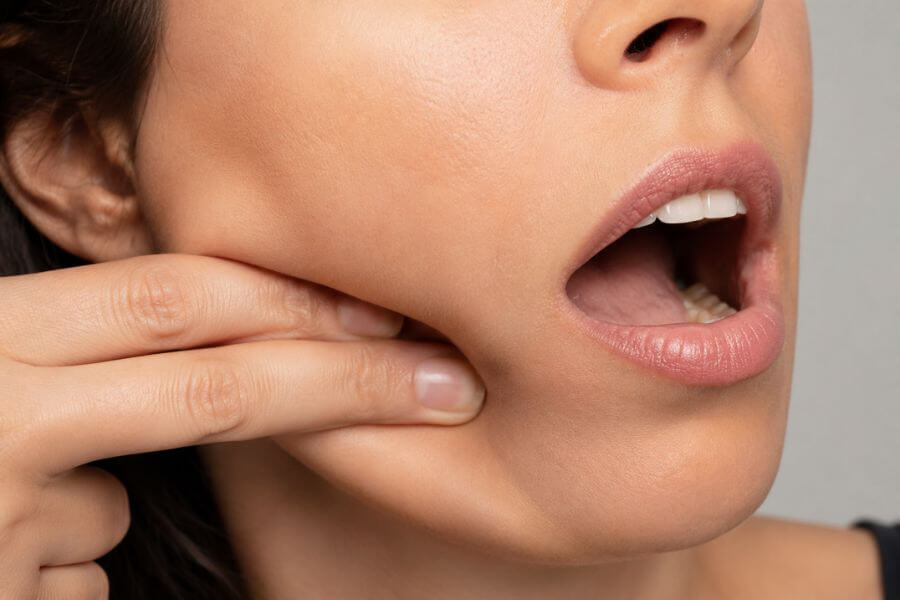
Open your mouth slightly and slide your thumb inside your cheek on one side. Keep your index and middle fingers on the outside of your cheek. Press your fingers together gently until you feel a thick, vertical band of muscle near the back of your jaw. This is your chewing muscle.
Squeezing and Kneading
Once you have a firm but gentle grip on that muscle, start making small circular motions with your thumb on the inside while your outside fingers support the tissue. Move from the top near your cheekbone down toward the corner of your jawline. If you feel a spot that is particularly tender or tight, hold a gentle, steady pressure on that spot for ten seconds to let it melt away. Do not press hard enough to cause bruising or sharp pain. A dull, releasing ache is normal, but sharp pain means you are pushing too hard.
Sweeping the Fluid Out
After you finish kneading the muscle, change your movement into a sweeping motion. Take your thumb and press it against the inside of your cheek, then sweep outward and backward toward your earlobe. On the outside of your face, use your fingers to sweep down the side of your neck toward your collarbone. This final sweep encourages the released fluid to drain away out of your face entirely. Repeat this whole sequence on the other side of your face so your jaw looks completely symmetrical.
The Safety Rules You Cannot Ignore
While this practice is generally safe for most people, there are several situations where you should absolutely avoid putting your fingers inside your mouth to massage your face.
If you currently have active acne breakouts, open sores, cold sores, or any kind of skin infection around your mouth or inside your gums, skip this entirely. Massaging these areas will spread bacteria across your skin and worsen the infection.
People who have jaw joint issues, commonly known as TMJ disorders, need to be extra careful. While light massage can help soothe jaw pain, rough or incorrect pressure can throw your jaw joint out of alignment and cause even more pain. If you hear a loud clicking or popping sound when you open your mouth, or if your jaw regularly locks in place, consult a doctor or a physical therapist before trying this at home.
Lastly, if you have recently received dental work, oral surgery, or cosmetic injections like lip fillers or jawline neurotoxins, stay away from this massage. Squeezing the tissues can shift cosmetic products away from their intended spots or disrupt healing dental wounds. Always wait at least a few weeks or get permission from your provider before restarting any intense facial movements.
Managing Your Expectations
The biggest danger of the intra-oral trend is not physical harm, but unrealistic expectations driven by short internet videos. You need to understand the timeline of results so you do not give up or feel cheated.
When you finish a proper session, your face will likely look a bit pink from the increased blood flow. Your jawline will probably look sharper, and your cheeks might look slightly hollowed out in a flattering way because the fluid has moved. This instant gratification is wonderful, but it is temporary. Within twelve to twenty-four hours, your body will naturally redistribute fluid, and if you continue to clench your teeth, your muscles will tighten up right back to where they started.
To see lasting improvements in how your face carries tension, you have to treat this like a workout routine. Doing it once will not change your face long-term, just like doing five situps will not give you abdominal muscles. You need to perform the routine two to three times a week for several months to train your muscles to stay relaxed at rest. When your muscles are consistently relaxed, your lower face retains less fluid and appears softer, smoother, and more contoured over time.
Lifestyle Habits That Matter More
If a sharp jawline is your ultimate goal, relying solely on mouth massage is like trying to clean a messy house with a tiny toothbrush. You have to look at your everyday lifestyle habits, because they have a massive impact on the appearance of your lower face.
Your Daily Posture
Think about how you are sitting right now. Is your head leaning forward toward your screen? Is your chin dropped down toward your chest? This posture is often called forward-head posture or tech-neck. When your head juts forward, it shortens the muscles under your chin and pulls the skin downward, creating a false double-chin effect. By sitting up straight, pulling your shoulders back, and aligning your ears directly over your shoulders, you instantly stretch the neck tissues and lift your jawline naturally.
Hydration and Salt Balance
If you eat a lot of salty snacks or do not drink enough water, your body enters a survival mode where it holds onto every drop of water it can find. This water retention shows up prominently in your face and ankles. Drinking plenty of plain water throughout the day signals to your body that it can safely release trapped fluids, reducing overall facial puffiness.
Teeth Grinding and Stress
If you wake up every morning with a headache or a sore jaw, you are likely grinding your teeth at night. This constant overnight workout builds up your jaw muscles, making your lower face look wider. Finding ways to manage your stress before bed, like reading or stretching, can stop this grinding. Some people also find relief by wearing a protective night guard from their dentist, which protects their teeth and gives the jaw muscles a break.
Frequently Asked Questions
Can this massage make my face saggy if I pull too hard?
Yes, it can if you are reckless. Your skin is elastic, but if you pull, drag, or yank on it aggressively without proper support, you can stretch out the delicate tissues over time. The key is to avoid sliding your fingers roughly across dry skin. You should focus on squeezing and lifting the deep muscle layers rather than stretching the surface skin. Always use a gentle touch and support the face with your opposite hand if you feel the skin stretching too much.
How often should I do this mouth massage?
For the best outcomes without overworking your face, aim for two to three times per week. Your muscles need time to rest and recover between sessions, just like any other muscle group in your body. Doing it multiple times every single day will not speed up your results. Instead, it will likely lead to soreness, inflammation, or irritation inside your mouth. Consistency over several weeks is far more effective than overdoing it in a single week.
Does intra-oral massage hurt while you do it?
It should feel like a deep, intense stretch, but it should never cause sharp or agonizing pain. Because your jaw muscles carry an immense amount of daily stress, pressing on them will likely feel tender, similar to how a tight shoulder muscle feels when a massage therapist presses on a knot. If you feel a sharp, stinging, or burning pain, or if your eyes start watering, you are applying way too much pressure. Lighten up your grip immediately.
Can teenagers try this massage safely?
Teenagers can do this safely as long as they follow the cleanliness rules, but they really do not need to worry about lifting their faces. Younger people naturally have a lot of healthy collagen, elastin, and beautiful fat pads that keep their skin bouncy, full, and firm. If a teenager wants to try it to relieve jaw tightness from stress or schoolwork, that is perfectly fine. However, they should not do it to fix nonexistent sagging or to chase unrealistic beauty standards online.
What is the best age to start doing facial massage?
There is no perfect or required age to begin. Most people start looking into facial massage in their late twenties or early thirties, which is when the body naturally starts producing less collagen and fluid retention becomes a bit more noticeable. If you are younger, you can use it occasionally for relaxation or to help with jaw clenching. If you are older, you can use it to help move fluid around. It is a tool for comfort and temporary refreshment at any stage of life.
Will this massage help me lose fat under my chin?
No, it will not. This is one of the biggest myths found on social media. Massage cannot spot-reduce fat cells in your body. If you have a pocket of fat under your chin due to genetics or weight, rubbing the area will not burn those calories away. What the massage actually does is drain away the excess water and fluid trapped around that fat. This drainage makes the area look smaller and tighter temporarily, but the underlying fat cells remain unchanged.