New Zealand is one of the best places in the world for wildlife lovers. Because the country was isolated for millions of years, many animals evolved here and cannot be found anywhere else on Earth. From flightless birds and giant alpine parrots to rare dolphins and ancient reptiles, New Zealand offers wildlife experiences that feel completely different from those in other countries.
If you enjoy nature, photography, hiking, or simply seeing animals in their natural habitats, New Zealand provides countless opportunities for unforgettable encounters. Some of these creatures are critically endangered, while others are famous for their unusual behaviours and appearances.
This guide explores the most unique wildlife encounters in New Zealand, helping you discover rare native animals and the best places to see them responsibly.
Quick Summary Table 🗺️
| Rank | Wildlife Encounter | Rare Animal | Best Region |
|---|---|---|---|
| 1 | Kiwi spotting at night | Kiwi | Northland, Stewart Island |
| 2 | Watching wild kākāpō conservation efforts | Kākāpō | Protected island sanctuaries |
| 3 | Swimming with Hector’s dolphins | Hector’s Dolphin | Akaroa |
| 4 | Seeing kea in alpine environments | Kea | South Island mountains |
| 5 | Spotting yellow-eyed penguins | Hoiho | Otago Peninsula |
| 6 | Encountering tuatara | Tuatara | Zealandia and sanctuaries |
| 7 | Watching royal albatross colonies | Northern Royal Albatross | Dunedin |
| 8 | Finding takahē in the wild | Takahē | Fiordland and sanctuaries |
| 9 | Seeing New Zealand fur seals | Kekeno | Kaikōura |
| 10 | Watching little blue penguins return ashore | Kororā | Various coastal regions |
How We Ranked These Wildlife Encounters 🔍
We used the following factors when ranking these experiences:
- Rarity of the animal
- Uniqueness compared to wildlife elsewhere in the world
- Chances of seeing the animal in its natural habitat
- Conservation significance
- Overall visitor experience
- Educational value
- Accessibility for travellers
- Photography opportunities
- Ethical wildlife viewing practices
- Memorable nature experiences
1. Kiwi Spotting at Night 🌙
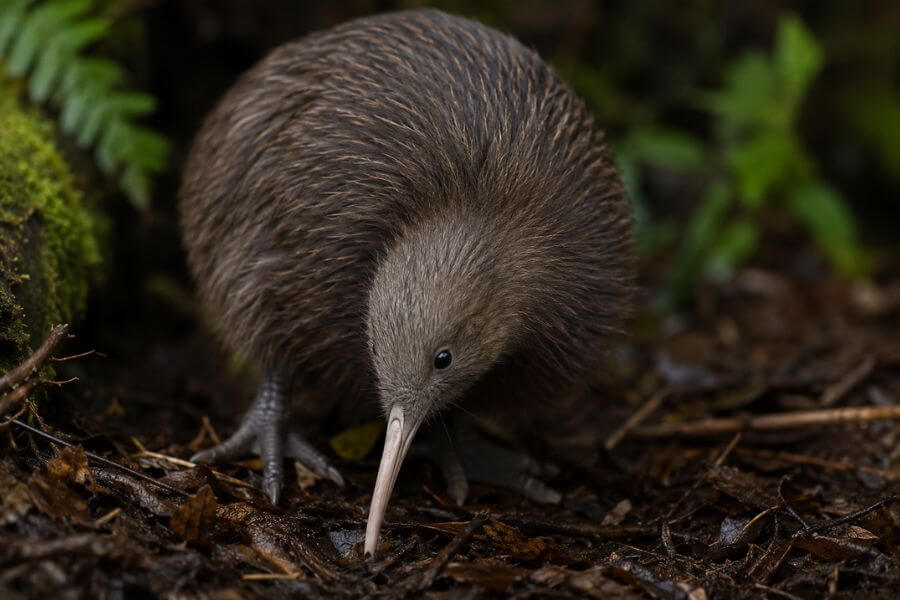
The kiwi is New Zealand’s most famous native animal and one of the most unusual birds in the world. Unlike most birds, kiwis cannot fly and are mainly active at night.
Seeing a wild kiwi is considered a special achievement because they are naturally shy and often stay hidden during daylight hours. Their long beaks, whisker-like feathers, and strong sense of smell make them unlike almost any other bird species.
Stewart Island offers some of the best opportunities to see wild kiwi. Here, the birds are often active close to walking tracks after sunset. Certain areas in Northland and protected reserves also provide excellent viewing opportunities.
The experience becomes even more magical because of the silence of the forest. Listening for rustling leaves and suddenly spotting a kiwi searching for food is something many travellers remember for the rest of their lives.
2. Watching Wild Kākāpō Conservation Efforts 🦉
The kākāpō is one of the rarest birds on Earth. This large, flightless parrot is found only in carefully protected locations and remains one of New Zealand’s greatest conservation success stories.
Although public access to kākāpō habitats is extremely limited, learning about conservation programmes and visiting centres that share their story offers a fascinating wildlife experience.
Kākāpō are known for their owl-like faces, friendly personalities, and inability to fly. They can live for many decades and are among the world’s heaviest parrots.
Few countries can offer visitors the chance to learn about such a rare species that has been brought back from the brink of extinction. Understanding the efforts behind kākāpō recovery adds a unique dimension to any wildlife-focused trip.
3. Swimming with Hector’s Dolphins 🐬
Hector’s dolphins are among the smallest and rarest marine dolphins in the world. They are found only in New Zealand waters.
Akaroa Harbour is one of the best places to encounter these remarkable animals. Their distinctive rounded dorsal fins make them easy to identify compared with other dolphin species.
Unlike larger dolphins, Hector’s dolphins often appear curious and playful. Many visitors choose boat tours or swimming experiences that follow strict wildlife protection guidelines.
Watching these dolphins glide through crystal-clear waters while surrounded by dramatic coastal scenery creates an unforgettable experience. Their rarity makes every sighting feel particularly special.
4. Seeing Kea in the Southern Alps ⛰️
The kea is often called the world’s only alpine parrot. Found in the mountainous regions of the South Island, this intelligent bird is famous for its curiosity and problem-solving abilities.
Kea are known to investigate backpacks, shoes, vehicles, and almost anything that catches their attention. Their playful nature has made them legendary among hikers and road-trippers.
Despite their entertaining behaviour, kea face conservation challenges and are classified as endangered. Observing them responsibly helps support efforts to protect their future.
Seeing a brightly coloured kea soaring across snow-capped mountains is one of New Zealand’s most iconic wildlife experiences.
5. Spotting Yellow-Eyed Penguins on the Otago Peninsula 🐧
The yellow-eyed penguin, also known as hoiho, is one of the world’s rarest penguin species.
Unlike the huge penguin colonies seen elsewhere, hoiho tend to be more solitary and secretive. This makes sightings feel much more personal and rewarding.
The Otago Peninsula near Dunedin is one of the best locations to observe these remarkable birds. Visitors often watch them return from the ocean during the late afternoon and evening.
Their pale yellow eyes and distinctive yellow head markings make them easy to recognise. Because population numbers remain low, every sighting feels like a privilege.
6. Encountering Tuatara, the Living Fossil 🦎
The tuatara is unlike any reptile you are likely to encounter elsewhere. This ancient species has survived for more than 200 million years and is often described as a living fossil.
Although it resembles a lizard, the tuatara belongs to an entirely different reptile lineage.
Protected sanctuaries and conservation areas offer some of the best opportunities to see these fascinating creatures. Wellington’s Zealandia sanctuary has become one of the most popular locations for visitors interested in native wildlife.
Learning about the tuatara’s incredible evolutionary history makes this encounter especially memorable.
7. Watching Northern Royal Albatross Colonies 🕊️
Northern royal albatrosses are among the largest flying birds on Earth. Their wingspans can exceed three metres, allowing them to glide effortlessly across vast ocean distances.
Near Dunedin, visitors can observe one of the few mainland breeding colonies in the world.
Watching these enormous birds launch into strong coastal winds is a breathtaking experience. Their size often surprises first-time visitors, especially when seen at close range.
The combination of dramatic coastal cliffs and majestic seabirds creates one of New Zealand’s most impressive wildlife spectacles.
8. Finding Takahē in Protected Habitats 🌿
For many years, scientists believed the takahē was extinct. Then, in one of New Zealand’s greatest wildlife discoveries, a surviving population was found in Fiordland.
Today, conservation efforts continue to protect this colourful, flightless bird.
Takahē are easily recognised by their bright blue and green plumage and strong red beaks. Their gentle appearance and remarkable survival story make them especially appealing to wildlife enthusiasts.
Seeing a bird that was once thought lost forever adds a powerful emotional element to the encounter.
9. Seeing New Zealand Fur Seals Along the Coast 🌊
New Zealand fur seals are found along many parts of the country’s coastline, but Kaikōura offers some of the best viewing opportunities.
These agile marine mammals can often be seen resting on rocky shores, swimming through coastal waters, or interacting with one another.
Watching young seals play in rock pools is particularly entertaining. Their movements in the water are graceful and energetic, providing excellent photography opportunities.
Because fur seals are relatively accessible compared with some rarer species, they provide a fantastic wildlife experience for visitors of all ages.
10. Watching Little Blue Penguins Return Home at Dusk ⭐
The little blue penguin, also known as kororā, is the world’s smallest penguin species.
At dusk, groups of these tiny birds emerge from the sea and make their way back to their nesting areas. This daily ritual attracts nature lovers from around the world.
Many coastal regions across New Zealand provide opportunities to observe these penguins responsibly.
Watching them shuffle ashore in small groups while the evening light fades creates a charming and memorable wildlife encounter. Their small size and determined movements make them incredibly endearing.
Conclusion 🏞️
New Zealand offers some of the most extraordinary wildlife experiences anywhere in the world. Whether you are searching for a secretive kiwi in the forest, watching giant albatrosses soar above coastal cliffs, or spotting an ancient tuatara in a protected sanctuary, each encounter provides a deeper appreciation for the country’s unique natural heritage.
Many of these animals exist nowhere else on Earth, making New Zealand a dream destination for wildlife enthusiasts. By choosing responsible wildlife experiences and respecting conservation guidelines, you can enjoy unforgettable encounters while helping protect these remarkable species for future generations.
Frequently Asked Questions ❓
What is the rarest animal tourists can potentially see in New Zealand?
The kākāpō is considered one of the rarest birds in the world. Direct sightings are extremely limited, but visitors can learn about conservation programmes and recovery efforts through educational experiences.
What time of year is best for wildlife watching in New Zealand?
Wildlife can be seen year-round, but spring and summer often provide the best conditions for bird activity, marine life encounters, and comfortable outdoor exploration.
Are wildlife encounters in New Zealand suitable for children?
Yes. Many wildlife experiences are family-friendly and educational. Penguin viewing, seal watching, and sanctuary visits are especially popular with children.
Do I need a guide to see rare native animals?
Not always. Some species can be seen independently in national parks and reserves. However, guided tours often increase your chances of sightings and provide valuable information about conservation and animal behaviour.
How can visitors help protect New Zealand’s native wildlife?
You can support conservation by following local guidelines, staying on marked tracks, keeping a respectful distance from animals, avoiding feeding wildlife, and supporting conservation organisations when possible.