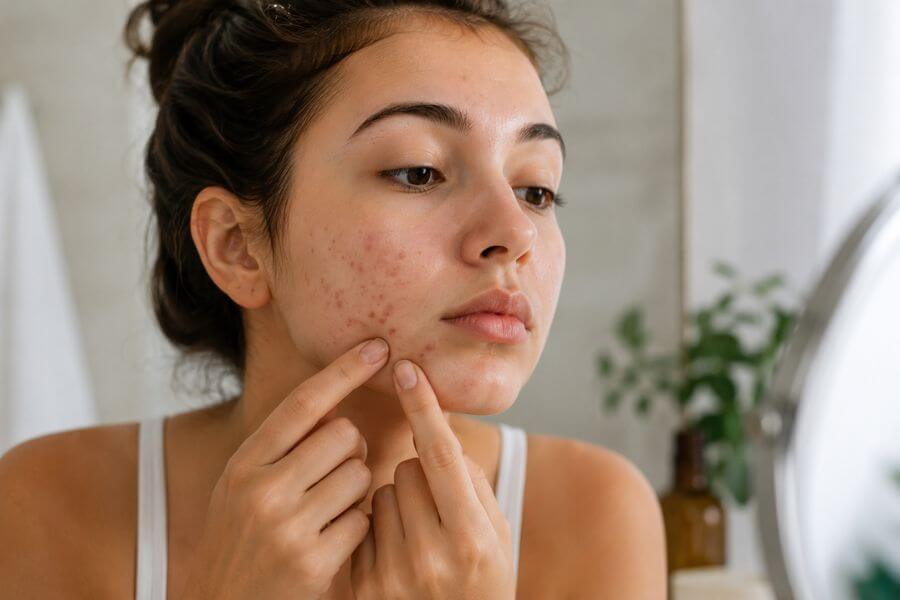
Dealing with sudden breakouts can feel like a never-ending guessing game. One day your skin is perfectly clear, and the next day you wake up with painful bumps along your jawline. If this sounds familiar, you are likely dealing with hormonal acne. This specific type of breakout happens when your internal chemicals shift, signaling your skin to produce excess oil. While it can feel incredibly frustrating to look in the mirror and see these deep bumps, you actually have a lot of control over how your skin behaves. You do not need to rely on harsh chemicals or expensive procedures to get things under control. By understanding how your body works and making mindful adjustments to your daily habits, you can calm your skin from the inside out. This guide will walk you through the exact steps you need to take to balance your body and clear your skin using simple, natural methods.
Key Takeaways for Clear Skin
Before diving into the full guide, here are the core principles you need to know right now to transform your skin.
- Target the root cause: Hormonal acne is an internal issue, so true healing requires balancing your body through nutrition, stress management, and sleep rather than just applying topical creams.
- Keep your skincare minimal: Overloading your face with multiple strong products often backfires by destroying your natural skin barrier and triggering more oil production.
- Focus on whole foods: Reducing processed sugars and dairy while increasing your intake of colorful vegetables and healthy fats helps lower inflammation and stabilizes your oil glands.
- Be patient and consistent: Natural remedies take time because they work by altering your internal environment, so aim for steady daily habits rather than instant overnight results.
Understanding the Root Cause of Hormonal Breakouts
To fix a problem, you first need to understand why it is happening. Your body relies on a delicate network of chemical messengers called hormones. These messengers control everything from your growth and mood to how your skin behaves. When you go through young adulthood, your body experiences massive shifts in these hormone levels.
The primary culprits behind these deep, painful breakouts are a group of hormones called androgens. Everyone has these hormones, but when your body produces too many of them, or when your system becomes highly sensitive to them, they send a direct signal to your sebaceous glands. These glands are the tiny oil factories located deep inside your pores. Under the influence of excess androgens, these factories go into overdrive, pumping out a thick, sticky oil called sebum.
When your skin produces too much sebum, the oil mixes with dead skin cells that your body naturally sheds every day. Instead of rising to the surface and washing away, this mixture gets trapped inside the pore, creating a tight plug. This oxygen-free environment is the perfect breeding ground for a specific type of skin bacteria. As the bacteria multiply, your body sends immune cells to fight them off, which leads to redness, swelling, and pain. This is why hormonal acne usually presents as deep, tender bumps rather than simple surface blackheads.
| Hormone Type | Action in the Body | Direct Effect on Your Skin |
| Androgens | Regulate growth and physical development | Trigger excessive oil production and thicken pore walls |
| Estrogen | Supports reproductive health and bone density | Helps keep skin hydrated and promotes natural healing |
| Progesterone | Regulates internal cycles and temperature | Can increase oil production right before your monthly cycle |
| Cortisol | Responds to mental and physical stress | Triggers systemic inflammation and speeds up oil glands |
The Direct Link Between Stress and Inflamed Skin
You have probably noticed that your skin tends to flare up right before a big exam, a job interview, or a stressful event. This is not a coincidence. Your mind and your skin are deeply connected through your nervous system. When you experience mental or physical stress, your brain perceives it as a threat and signals your adrenal glands to release a hormone called cortisol.
Cortisol is designed to help your body handle short-term danger, but when you are constantly stressed, high cortisol levels wreak havoc on your skin. First, cortisol directly tells your oil glands to produce more sebum, adding fuel to the fire. Second, it weakens your body’s immune defenses and increases systemic inflammation. This means that any trapped oil in your pores is much more likely to turn into a red, swollen, and painful bump rather than a minor blemish.
Managing stress is not just about feeling calmer; it is a vital step in clearing your skin. When you lower your daily stress levels, you actively decrease the amount of cortisol circulating in your bloodstream. This immediately takes the pressure off your oil glands and gives your skin a chance to heal without constant disruption.
Simple Habits to Lower Daily Stress
- Practice deep breathing: Spending just five minutes a day taking slow, deep belly breaths can instantly flip your nervous system from a stressed state to a relaxed state.
- Move your body naturally: Engaging in light physical activities like walking through a park or stretching can burn off excess stress hormones without straining your system.
- Set healthy boundaries: Learn to say no to extra commitments when you are already feeling overwhelmed by school, work, or social obligations.
- Unplug from screens: Taking regular breaks from social media reduces the subconscious comparison and anxiety that often drive up stress levels.
- Dedicate time to hobbies: Spending time doing things you love purely for fun, like painting, reading, or playing music, keeps your mood lifted and your cortisol low.
Designing a Gentle and Supportive Skincare Routine
When you are dealing with stubborn breakouts, it is incredibly tempting to scrub your face aggressively or pile on every acne product you can find in the store. However, this aggressive approach usually makes your acne much worse. Your skin has a natural, protective top layer known as the moisture barrier. This barrier is made of healthy fats and oils that keep moisture in and keep harmful bacteria out.
When you use harsh scrubs, alcohol-based toners, or too many drying treatments, you strip away this protective barrier. Your skin interprets this extreme dryness as an emergency. To protect itself, your skin responds by producing even more oil than before, leading to a vicious cycle of dryness and breakouts.
A natural approach focuses on supporting your skin rather than punishing it. Your daily routine should be streamlined, gentle, and focused on maintaining a healthy environment where your skin can repair itself. By keeping your routine minimal, you allow your skin barrier to rebuild, which naturally helps reduce inflammation and keeps bacteria at bay.
Step-by-Step Morning and Evening Care
- Cleanse with care: Wash your face morning and night using a mild, sulfate-free cleanser. Look for ingredients like green tea or chamomile, which clean the surface without stripping away essential moisture. Use your fingertips and lukewarm water, avoiding rough washcloths.
- Apply a soothing toner: Skip the burning, alcohol-heavy toners. Instead, use a natural distillate like pure rosewater or witch hazel without alcohol. These liquids help balance your skin’s surface pH and calm down redness after cleansing.
- Hydrate thoroughly: Many young adults with oily skin skip moisturizer because they fear it will clog their pores. This is a mistake. When your skin lacks water, it produces more oil to compensate. Use a lightweight, oil-free moisturizer containing aloe vera or jojoba oil to keep your skin supple.
- Protect from the elements: During the day, always finish your routine with a mineral-based sunscreen that uses zinc oxide. Zinc not only protects your skin from sun damage, which can make acne marks last longer, but it also naturally calms skin irritation.
Nutritional Foundations for Balancing Your Hormones
The food you eat provides the building blocks for your hormones and your skin cells. If you fill your body with highly processed foods, artificial ingredients, and refined sugars, you create an internal environment marked by high blood sugar and inflammation. This directly translates to more frequent and severe breakouts on your face.
To heal hormonal acne from the inside out, you want to focus on a diet centered around whole, nutrient-dense foods. This means choosing foods that are as close to their natural state as possible. When you shift your eating habits, you help regulate your insulin levels, support your liver in processing old hormones, and provide your skin with the vitamins it needs to rebuild its structure.
You do not need to follow a restrictive or stressful diet plan. Instead, focus on adding more beneficial foods to your plate each day. By crowding out the inflammatory options with vibrant, nourishing choices, you will naturally create a calmer, cleaner internal system that reflects beautifully on your face.
The relationship between your diet and your skin follows a specific path. When you consume high-sugar food, it causes a sharp insulin spike in your body. This sudden increase in insulin triggers excess sebum production by your oil glands, which leads to clogged pores and eventual hormonal acne flare-ups.
Foods to Enjoy and Foods to Limit
- Eat plenty of leafy greens: Vegetables like spinach, kale, and Swiss chard are packed with antioxidants and chlorophyll, which help cleanse your system and reduce internal inflammation.
- Include healthy fats: Foods like avocados, walnuts, chia seeds, and wild-caught fish contain omega-3 fatty acids, which keep your cell membranes fluid and help lower skin swelling.
- Choose high-fiber carbohydrates: Opt for sweet potatoes, quinoa, and brown rice instead of white bread and pastries to keep your blood sugar stable throughout the day.
- Limit dairy products: Cow’s milk naturally contains growth hormones that can overstimulate your skin’s oil glands, so try swapping it for unsweetened almond or oat milk.
- Reduce refined sugars: Sodas, candies, and sugary coffee drinks cause sharp spikes in your insulin levels, which directly triggers a surge in acne-causing androgen hormones.
The Power of Hydration and Herbal Infusions
Water is the ultimate cleanser for your body. Every single cell, organ, and system relies on adequate hydration to function correctly. When you do not drink enough water, your body struggles to flush out metabolic waste and excess hormones through your kidneys and digestive tract. When these internal exit routes are sluggish, your body may try to eliminate waste through your largest organ: your skin.
Drinking enough pure water throughout the day ensures that your blood circulation remains active, delivering fresh oxygen and nutrients directly to your skin cells. It also thins out the sebum produced by your glands, making it less likely to turn into thick, pore-clogging plugs.
In addition to pure water, introducing specific herbal teas can provide a powerful boost to your clear skin journey. Certain plants contain natural compounds that can gently interact with your hormone pathways, helping to lower excess androgens and reduce systemic inflammation from the inside out.
Beneficial Herbal Alternatives
- Spearmint tea: Drinking two cups of organic spearmint tea daily has been shown to have a mild anti-androgen effect, helping to reduce the hormone signals that cause excess facial oil.
- Green tea: High in a specific antioxidant called EGCG, green tea helps reduce insulin resistance and tames inflammation when consumed regularly.
- Dandelion root tea: This bitter herb supports your liver health, helping your body process and eliminate old, circulating hormones more efficiently.
- Chamomile tea: Excellent for the evening, chamomile helps calm your nervous system, lowering stress-induced cortisol before you go to sleep.
Maximizing Sleep for Skin Regeneration and Repair
While you are asleep, your body is working hard to repair the damage accumulated throughout the day. This period of deep rest is when your skin goes into its peak regenerative cycle. Your body accelerates cellular turnover, meaning it sheds old, damaged skin cells and creates fresh, healthy new ones.
Sleep is also the time when your endocrine system balances your hormone levels. When you deprive yourself of sleep, your body interprets the exhaustion as a physical crisis. In response, it increases production of stress hormones like cortisol and adrenaline, which immediately triggers inflammation and excessive sebum production the following day.
Getting high-quality sleep is one of the most effective, completely free beauty treatments available to you. By establishing a consistent sleep schedule and honoring your body’s need for rest, you provide your skin with the time and resources it needs to heal active breakouts and prevent new ones from forming.
Creating an Ideal Nighttime Routine
- Stick to a consistent schedule: Go to bed and wake up at the exact same time every day, even on weekends, to keep your internal clock running smoothly.
- Dim the lights early: Lower the lighting in your living space an hour before bed to signal your brain that it is time to produce melatonin, the sleep hormone.
- Keep your room cool: A slightly cool bedroom environment encourages deeper, uninterrupted sleep cycles throughout the night.
- Wash your pillowcases often: Dust, oil, and hair products build up on your bedding quickly, so switch to a fresh, breathable cotton pillowcase at least twice a week.
- Avoid late-night snacks: Eating heavy meals right before bed forces your body to focus on digestion rather than cellular repair and hormone balancing while you sleep.
Target Natural Spot Treatments That Actually Work
Even with a fantastic diet and a solid lifestyle routine, you will still experience occasional breakouts as your body adjusts. When a deep bump appears, you do not need to reach for burning chemical treatments that leave your skin peeling and irritated. There are several highly effective, plant-based options that can reduce the size and pain of a blemish without damaging the surrounding tissue.
Natural spot treatments work by utilizing the plant’s inherent antibacterial and anti-inflammatory properties. Instead of frying the pore with harsh acids, these remedies gently lower the swelling, fight off the acne bacteria, and soothe the skin surface. This helps the blemish heal faster and significantly reduces the likelihood of leaving behind a dark mark or scar.
Always remember that less is more when applying spot treatments. You only need a tiny dab directly on the bump itself. Applying these powerful natural concentrates all over your face can lead to localized dryness and irritation, which defeats the purpose of your gentle skincare strategy.
Top Plant-Based Remedies for Active Blemishes
- Tea tree essential oil: This oil contains natural compounds that destroy acne-causing bacteria. Always dilute one drop of tea tree oil with five drops of a gentle carrier oil, like jojoba oil, before dabbing it on a spot.
- Pure aloe vera gel: Extracted directly from the plant leaf, aloe vera reduces swelling, cools down painful heat in the skin, and speeds up the tissue repair process.
- Honey masks: Raw, unpasteurized honey is a natural antibacterial agent and humectant, meaning it draws moisture into the skin while gently cleansing active breakouts.
- Witch hazel extract: Apply a small amount of alcohol-free witch hazel to a cotton ball and press it against an inflamed bump to minimize swelling and redness.
The Role of Gut Health in Skin Clarity
The state of your digestive system plays a massive role in the health of your skin. This connection is often referred to as the gut-skin axis. Your digestive tract is home to trillions of microscopic bacteria that help break down your food, produce essential vitamins, and regulate your immune system.
When your gut microbiome becomes unbalanced due to poor nutrition, regular antibiotic use, or chronic stress, it can lead to a condition known as systemic inflammation. This means that inflammatory signals travel through your bloodstream and manifest as redness and breakouts on your face. Furthermore, a sluggish digestive system cannot effectively eliminate waste, forcing your body to push toxins out through your skin pores.
Supporting your gut health is a fundamental step in clearing hormonal acne long-term. When your digestion is regular and your gut bacteria are thriving, your body can absorb skin-healing nutrients much better, keep systemic inflammation low, and effectively maintain a healthy hormonal balance.
| High-Sugar Diet Effect | Probiotic-Rich Diet Effect |
| Feeds harmful yeast and bacteria in the digestive tract | Encourages the growth of diverse, beneficial bacteria strains |
| Damages the intestinal lining, increasing body-wide inflammation | Strengthens the gut barrier, keeping inflammatory signals low |
| Slows down digestion and can cause irregular waste elimination | Promotes daily regularity, helping clear out old hormones |
| Increases insulin resistance, which spikes androgen hormones | Helps stabilize blood sugar levels and balances oil production |
Environmental Factors and Daily Habits to Re-evaluate
Sometimes, the culprit behind stubborn acne is something your face comes into contact with every single day. While internal balance is the most important factor, minor external irritations can prolong breakouts and prevent your skin from healing completely.
Think about how often you touch your face throughout the day. Every time you rest your chin in your hand during a class or a meeting, you are transferring dirt, bacteria, and oil from your hands directly onto your vulnerable jawline. Similarly, your cell phone screen collects an incredible amount of bacteria from your hands and pockets, which then gets pressed directly against your cheek during a call.
By becoming more aware of these daily habits, you can significantly reduce the amount of extra strain you place on your skin. These adjustments do not cost anything, but they create a much cleaner environment for your skin to heal without constant exposure to new irritants.
Small Changes for Big Results
- Sanitize your phone daily: Use a gentle, alcohol-based wipe to clean your phone screen every night to prevent transferring bacteria to your face.
- Keep your hands away from your face: Make a conscious effort to stop leaning on your hands or picking at your skin when you are bored or focusing.
- Switch to natural laundry detergents: Synthetic fragrances and fabric softeners can leave a residue on your pillowcases that irritates sensitive facial skin.
- Tie your hair back at night: Natural oils and styling products from your hair can easily transfer to your face while you sleep, clogging pores along your hairline.
- Clean your makeup brushes weekly: If you wear makeup, wash your tools regularly with a mild soap to prevent old product and bacteria from building up.
Gentle Movement and Exercise for Hormone Regulation
Regular physical activity is a wonderful way to help balance your hormones and clear your skin. When you exercise, your heart pumps faster, increasing blood flow throughout your entire body. This boost in circulation acts like an internal facial, delivering fresh oxygen and vital nutrients directly to your skin cells while carrying away metabolic waste.
Exercise also plays a major role in managing insulin levels. Physical movement helps your muscles absorb glucose from your bloodstream more effectively, reducing the amount of insulin your body needs to produce. Since high insulin levels directly trigger your oil glands to pump out sebum, keeping your blood sugar stable through movement is a fantastic way to prevent breakouts.
However, the type of exercise matters. Intense, grueling workouts that leave you feeling completely exhausted can actually elevate your stress hormones and trigger a flare-up. Focus on moderate, enjoyable movement that leaves you feeling energized rather than depleted.
Recommended Forms of Movement
- Brisk walking outdoors: A thirty-minute walk in nature combines light cardio with stress-reducing scenery, helping lower both insulin and cortisol.
- Gentle yoga flows: Yoga focuses on deep breathing and stretching, which relaxes your nervous system while supporting healthy blood circulation.
- Bodyweight strength training: Building light muscle tissue improves your metabolic health and helps your body process sugars more efficiently.
- Biking or swimming: These low-impact activities get your heart rate up without placing excessive physical stress or strain on your joints and adrenal glands.
Tracking Your Journey and Staying Patient
Healing your skin naturally is a journey that requires time, patience, and consistency. Unlike harsh chemical treatments that can dry up a spot overnight while damaging your skin barrier, natural methods work by gently shifting your internal biochemistry. This process does not happen in a single day or even a single week.
It typically takes about twenty-eight days for your skin to complete a full cellular turnover cycle. Furthermore, your hormones can take several months to stabilize in response to changes in your diet, stress levels, and sleep habits. It is completely normal to experience ups and downs along the way, so do not lose heart if you see an occasional breakout.
To keep track of your progress, consider keeping a simple skin journal. Instead of focusing solely on the daily look of your face, document how you feel, what you ate, how much you slept, and your overall stress levels. Over time, you will begin to notice patterns, helping you identify exactly what makes your skin thrive.
Your body follows a clear timeline as it goes through this natural healing process. During the first two weeks, your digestion improves and your daily stress levels drop. By weeks three and four, your skin barrier repairs itself and active redness decreases. Finally, by months two and three, your hormones completely balance out and fewer new breakouts form.
Frequently Asked Questions About Natural Acne Treatment
How long does it actually take to see clear skin using natural methods?
You can expect to see initial improvements in your skin’s hydration and overall redness within two to three weeks of consistently adjusting your routine. However, because hormonal cycles operate on a longer timeline, it typically takes two to three months of steady dietary and lifestyle habits to see a significant reduction in new, deep breakouts. Patience is essential, as internal healing provides long-lasting results rather than temporary fixes.
Will drinking spearmint tea really help reduce my jawline breakouts?
Yes, spearmint tea can be highly effective for jawline acne, which is heavily tied to hormonal fluctuations. Spearmint contains natural compounds that exhibit a mild anti-androgen effect. This means it can help block the male hormones that tell your oil glands to produce excess, sticky sebum. Drinking two cups of organic spearmint tea daily can lead to noticeably calmer skin over time.
Can I still wear makeup while trying to heal my hormonal acne naturally?
You can absolutely still wear makeup, but you need to be highly selective about the products you choose. Opt for lightweight, non-comedogenic formulas that do not contain mineral oils, heavy silicones, or synthetic fragrances. Mineral-based powder makeup is often the best choice for acne-prone skin because it allows the skin to breathe and frequently contains zinc oxide, which helps soothe inflammation throughout the day.
Why does my acne get worse right before my monthly cycle begins?
During the week leading up to your monthly cycle, your levels of estrogen and progesterone drop significantly. This drop allows your body’s natural androgen hormones to become more dominant. Since androgens directly signal your sebaceous glands to produce more oil, this internal shift creates a sudden surge of sebum. This excess oil can easily clog your pores and lead to predictable, cyclical breakouts.
Is it necessary to completely cut out sugar to heal my skin?
You do not need to eliminate every form of sugar to achieve clear skin, but you do need to be mindful of refined and processed sugars. Natural sugars found in whole fruits come packed with fiber, vitamins, and antioxidants, which slow down absorption and prevent blood sugar spikes. The primary goal is to minimize concentrated sugars like those found in sodas, candy, and white flour products, as these cause immediate insulin spikes that trigger oil production.
How do I know if my skincare moisture barrier is actually damaged?
A damaged skin barrier usually feels tight, dry, and irritated, even if your face looks shiny and oily. You might experience a stinging sensation when applying gentle products, notice frequent flaking around your nose and mouth, or see an increase in overall redness. If your skin feels sensitive to the touch and your breakouts seem to multiply no matter how much you wash your face, it is a clear sign you need to simplify your routine and focus on hydration.