Key Takeaways
- Your lymphatic system acts as the internal clean-up crew for your body, but it does not have a pump like your heart does to move fluid around.
- Dry body brushing is a simple, old-world method that wakes up your skin, clears away dead cells, and helps your internal fluids flow better.
- Always brush your skin while it is completely dry, moving in light strokes that always point toward the center of your chest where your heart lives.
- Choosing the right tool with natural bristles is important for keeping your skin safe from tiny cuts and scratches.
- Consistency brings the best results, so trying to brush a few times every week will keep your skin glowing and your body feeling full of fresh energy.
The Ultimate Guide to Lymphatic Drainage and Body Brushing
Imagine having a personal recycling system inside your body that works around the clock to keep you feeling fresh, clean, and full of energy. This system is real, and it lives just beneath your skin. Sometimes, this internal system slows down, making you feel tired or puffy. You can give this system a wonderful boost using nothing more than a simple wooden brush and a few minutes of your time. This guide shows you exactly how to unlock smooth skin and bright energy through the power of body brushing and gentle fluid movement.
Understanding Your Lymphatic System
To understand why brushing feels so good, you first need to know what goes on under the surface of your skin. Your body is filled with amazing networks of tiny tubes and pathways that carry important things to where they need to go.
What Is Lymph?
Lymph is a clear, watery fluid that flows all through your body. Think of it as a special river that travels to every corner of your arms, legs, and middle section. This fluid carries nutrients to your cells, but it also picks up things your body does not need anymore. It collects tiny bits of waste, old cells, and other leftover items that your cells drop after doing their daily jobs. If this fluid did not exist, your body would have a very hard time staying clean on the inside.
The Clean-Up Crew of Your Body
Your lymphatic system is made of miles of tiny pipes and small, bean-shaped structures called nodes. You can think of these nodes as small checkpoints or filters. They are placed in special spots around your body, like under your arms, around your neck, and near your groin. When the clear fluid flows through these checkpoints, the nodes clean the fluid by catching and removing any harmful items. Once the fluid is clean, it can safely go back into your blood. This constant cleaning helps protect you from getting sick and keeps your body running without any issues.
Why Your Fluid Needs Help Moving
Your blood has a giant, strong pump to keep it moving every single second of the day, which is your heart. Your lymphatic system does not have a built-in pump at all. The clear fluid can only move when you move your physical body. When you run, jump, stretch, or even take deep breaths, your muscles squeeze the tiny fluid pipes and push the liquid along. If you sit still at a desk for hours or spend a long time lying down, this fluid can slow down and pool in place. This slow movement is why your eyes might look puffy when you wake up, or why your ankles might swell after a long car ride.
The Magic of Body Brushing
People have looked for ways to keep their bodies feeling fresh for thousands of years. One of the best ways discovered is a simple habit called dry body brushing.
What Is Dry Brushing?
Dry body brushing means taking a brush with firm bristles and sweeping it across your skin before you get into the shower or bath. The key part of this practice is that both your skin and the brush must be completely dry. You do not use water, soap, or body oil during this step. It sounds very simple, but this simple act does amazing things for both the outside layer of your skin and the hidden fluid systems underneath.
Quick History of the Practice
Using a brush on the body is not a new fad created for modern internet videos. People living in ancient times knew all about the secrets of smooth skin. Thousands of years ago, people in ancient India used rough silk gloves or wool brushes to stimulate their skin during daily wellness rituals. In ancient Greece and Rome, athletes used special curved tools to scrape away dirt and sweat to keep their skin healthy. Native American cultures and traditional communities in Asia also used dried plant fibers to scrub their skin. Today, we use wooden brushes with plant hairs, but the core idea remains exactly the same as it was centuries ago.
Shedding Old Skin Cells
Your skin is constantly growing and changing. Every single day, your body creates new skin cells at the bottom layers, and the old cells at the top dry up and die. Often, these dead cells sit on the surface for a while before falling off. This buildup can make your skin look a little grey, dull, or flaky. When you take a dry brush and move it over your body, the bristles act like a tiny broom. They gently sweep away those millions of dead cells, revealing the fresh, bright, and soft skin that was hiding underneath.
Amazing Benefits for Your Whole Body
Taking five or ten minutes out of your day to sweep a brush over your skin can change how your whole body feels from the inside out.
Boosting Your Energy Levels
Many people notice a sudden rush of bright energy the moment they finish brushing their skin. This happens because the bristles wake up the tiny nerve endings that sit right below your skin surface. It also tells your blood vessels to open up a little wider, bringing a rush of fresh blood to your skin. This extra blood flow delivers a big dose of oxygen and good nutrients to your muscles and tissues, which acts like a natural cup of morning juice to wake up your mind.
Making Skin Look Smooth and Bright
When dead cells pile up, they can trap dirt and oil inside your pores, which leads to tiny bumps or rough patches on your arms and legs. Brushing clears those blocks away so your skin can breathe. It also helps to distribute the natural oils your skin creates, making your body feel silky and smooth. Some people notice that areas with dimples or uneven textures start to look tighter and more even after a few weeks of regular brushing.
Helping Your Body Clear Waste
By brushing in the right direction, you are giving your lymphatic fluid a helpful push toward the clean-up checkpoints. This helps your body clear out internal waste much faster than it could on its own. When your body rids itself of waste quickly, you might notice that you do not feel as heavy or sluggish. It gives your immune system a nice hand, allowing your body to spend less energy on cleaning up and more energy on keeping you strong and vibrant.
Calming Your Nervous System
The feeling of a brush moving over your skin can be incredibly relaxing if you do it with light pressure. The steady, rhythmic strokes act like a gentle massage. This repetitive motion signals your brain that you are safe and can relax. It lowers stress hormones and helps quiet a busy or worried mind. It is a wonderful way to practice self-care and connect with your physical body after a long, noisy day.
Picking Your Perfect Body Brush
Before you start brushing, you need to find the tool that works best for your unique body. Walking into a store can feel overwhelming because there are so many options on the shelves.
Plant Bristles vs Plastic Bristles
The most important feature of any body brush is the material used to make the bristles. You should always look for brushes made with natural plant bristles. These often come from plants like sisal, which is a type of cactus, or coconut husks. Natural bristles have a slightly rough texture that sweeps away dead skin without scratching you. Plastic bristles, on the other hand, are often too sharp or too smooth. Sharp plastic can make tiny, invisible cuts on your skin that can let dirt inside and cause irritation.
Long Handles vs Hand Straps
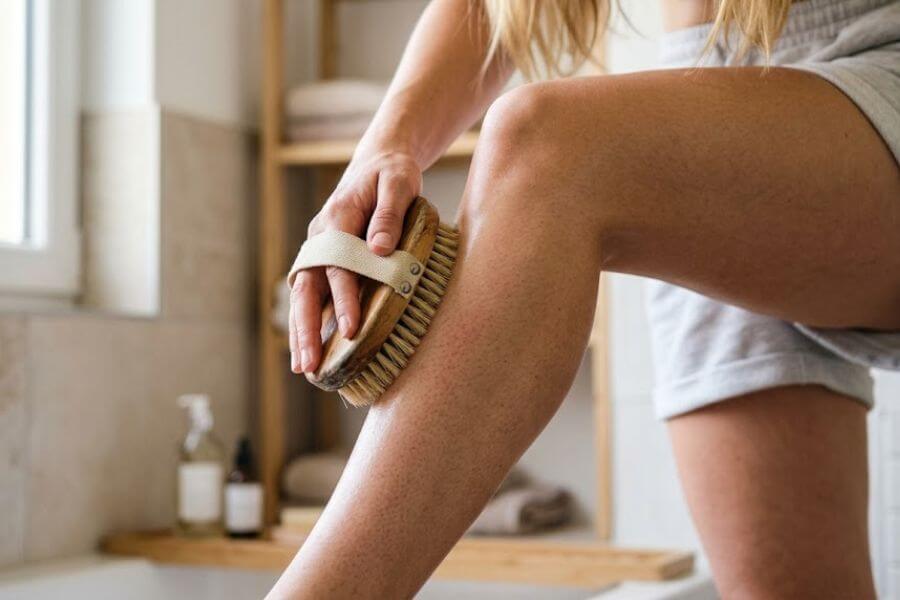
Brushes come in two main shapes, and each serves a unique purpose. One style features a long wooden handle attached to the brush head. This style is excellent for reaching tricky spots like the middle of your back, the backs of your thighs, and your shoulders. The second style is a round or oval brush head with a fabric strap across the back that fits right over your hand. This style gives you much more control over how much pressure you use, making it wonderful for your arms, stomach, and chest. Some clever brushes allow you to slide the long handle on and off so you get the best of both styles.
Bristle Stiffness for Your Skin Type
Bristles come in soft, medium, and firm options. If you have never brushed your body before, or if your skin gets red and irritated quickly, you should look for a soft bristle brush. Your skin needs time to get used to the feeling of dry brushing. If you have tough skin or have been brushing for years, a medium or firm brush will give you that deep, invigorating scrub you want. Never use a brush that hurts or leaves bright red scratches on your skin.
Detailed Comparison of Brushing Tools
To help you understand the differences between all the options available, look at how these common tools compare against each other.
| Tool Type | Best Body Area | Bristle Type | Main Benefit | Reaching Power |
| Long-Handle Brush | Back and back of legs | Natural plant fibers | Reaches hard spots | High power |
| Palm Brush with Strap | Arms, belly, and chest | Natural plant fibers | Great pressure control | Low power |
| Sisal Wash Cloth | Shoulders and feet | Woven cactus fiber | Very flexible for curves | Medium power |
| Silicone Body Scrubber | Face and sensitive skin | Soft silicone nubs | Extremely gentle | Low power |
How to Prep Your Skin and Space
To get the most out of this practice, you want to set up your environment and your skin correctly before you start.
The Best Time of Day to Brush
Because dry brushing gives you a wonderful burst of fresh energy, the perfect time to do it is right before your morning shower. It wakes you up and gets you ready for the day ahead. If you try to do it right before bed, you might find yourself feeling too awake to sleep. Always make sure you do it before you turn on the water. Brushing wet skin changes the texture and will not clear away dead cells nearly as well.
Setting up a Relaxing Spot
You want to brush in a place where you do not mind a few skin flakes falling on the floor. Standing inside an empty bathtub or a dry shower stall is the smartest choice. This makes clean-up simple because any dry skin cells that fall off will wash right down the drain when you turn on the water. Make sure the room is warm enough so you do not shiver, as shivering makes your muscles tense up, which blocks the flow of fluid.
Getting Your Body Ready
Make sure your skin is completely bare and free of any lotions, creams, or body oils. If you applied a heavy body butter the night before, let your skin absorb it completely or wait until it feels dry to the touch. Any wetness or slick oil will cause the brush to slide around instead of gripping the dead cells and moving the fluid underneath. Take a few deep breaths through your nose to loosen up your shoulders and relax your body before you make your first stroke.
Step-by-Step Guide to Body Brushing
Now that you are standing in your dry shower with your natural brush in hand, it is time to begin the process. Remember to keep your movements steady and calm.
Starting with Your Feet and Legs
Always start at the absolute bottom of your body. Lift one foot and place the brush against the sole of your foot. Make a few light strokes from your toes toward your heel. Next, move to the top of your foot and brush upward toward your ankle. Once your foot is done, move up your lower leg. Use long, sweeping motions from your ankle up to your knee. Work your way all the way around your calf and shin. When you reach your thigh, continue those long strokes upward from your knee toward your hip and groin area. Repeat this exact path on your other leg.
Moving to Your Hands and Arms
Once your legs feel warm and tingly, move to your fingertips. Hold one hand out and brush the palm, then the back of your hand, moving toward your wrist. Move up your forearm with long strokes that travel from the wrist to the elbow. Next, brush from your elbow up to your shoulder. Be extra gentle on the soft skin on the inside of your elbow. When you reach your armpit, make a few light circles, as this area is packed with important fluid nodes that love to be stimulated. Repeat the whole sequence on your other arm.
Brushing Your Belly and Back
Your stomach area requires a slightly different motion because of how your internal organs sit. Place the brush on your belly and move it in a clockwise circle around your belly button. This matches the direction of your digestion and keeps everything moving smoothly. For your lower back, use your long-handle brush to sweep upward from your glutes up toward your middle back. For your upper back, reach over your shoulder and sweep the brush downward toward your armpits.
Working Around Your Neck and Chest
The skin on your chest and neck is thin and delicate, so you must use a very light touch here. Start at your jawline and brush downward along your neck toward your collarbones. For your chest area, move the brush from your outer shoulders inward toward your breastbone. Imagine drawing lines that all meet right at the center of your chest. Avoid any sensitive areas and focus on the firm spots around your collarbones where major fluid pathways empty back into your bloodstream.
Gentle Rules for the Perfect Stroke
The way you move the brush determines whether you are helping your lymphatic system or just scratching your skin. Following these simple concepts will ensure your success.
Direction Is Everything
The number one rule of dry brushing is to always brush toward your heart. Your lymphatic fluid flows in this direction naturally as it tries to return to the chest area. If you brush downward on your legs or arms, you are pushing the fluid against its natural flow, which can cause blocks and make puffiness worse. Always double-check your direction before you start a new section of your body.
Finding the Right Amount of Pressure
You do not need to scrub your skin as if you are cleaning a dirty kitchen floor. The fluid pathways sit right underneath the top layer of skin, so a very feather-light touch is all it takes to move them. Your skin should look pink after brushing, but it should never look bright red, scratched, or irritated. If it stings or burns, you are pressing down way too hard. Let the tips of the bristles do the work instead of your muscle power.
How Many Times to Stroke Each Area
You do not need to spend ten minutes on a single leg. Passing the brush over the same patch of skin between three and five times is perfect. This provides enough stimulation to clear away dead cells and wake up the fluid without over-working your skin barrier. A full-body session should take between five and ten minutes from start to finish.
Lymphatic Drainage Massage Techniques
Sometimes you might want to give your body extra care without using a brush. This is where manual fluid massage comes into play, using nothing but your own hands.
How Massage Differs from Brushing
While brushing focuses heavily on the surface of the skin and clears away dead cells, a manual massage goes slightly deeper to target fluid pools directly. Massage uses skin-to-skin contact, often with a tiny bit of body oil to help your hands slide smoothly. Instead of sweeping away skin cells, you are using your palms and fingers to gently stretch the skin and push fluid through its internal pipes.
The J-Stroke and Scoop Methods
Two wonderful hand movements exist for moving fluid. The first is the J-stroke. You place your flat fingers on your skin, push down very lightly, move your hand up, and curve it at the end to make the shape of the letter J. The second is the scoop method. You cup your hands like a little bowl, place them behind your knee or elbow, and gently scoop upward. Both of these motions help open up the tiny valves inside your fluid tubes so the liquid can move forward.
Using Your Hands for Fluid Movement
To do a quick self-massage, start by clearing the main checkpoints. Place your fingers on your collarbones and pump them gently up and down ten times. Next, place your hands under your armpits and make ten gentle circles. Now you can use flat hands to gently stroke your arms and legs upward toward those cleared checkpoints. This is a quiet, peaceful ritual you can do while lying in bed or sitting on the couch in the evening.
Creating Your Weekly Routine
You do not have to brush every single day to see wonderful changes in your skin and energy levels. Creating a realistic plan will help you stay consistent without feeling overwhelmed.
For Beginners Just Starting Out
If you are completely new to this world, start by brushing just two times a week. Space these days out, like doing it on Tuesday and Saturday mornings. This gives your skin plenty of time to rest and adjust to the new texture of the bristles. Pay close attention to how your body responds. If your skin feels soft and you feel happy and energized, you can slowly add another day when you feel ready.
For Everyday Wellness Fans
For those who have brushed for a few months, doing it three to four times a week is the sweet spot. You can do it every other morning right before you jump in the shower. This keeps your skin consistently smooth and prevents dead cells from piling up again. It also keeps your internal fluid moving regularly so you do not experience that heavy, tired feeling during the week.
Keeping Track of How You Feel
Take a moment every week to check in with your body. Look at the skin on your elbows and knees to see if it looks less dry or flaky. Notice your energy levels in the morning. Are you finding it a bit easier to get out of bed? Do your legs feel lighter after a long day of school or work? Tracking these tiny changes will help you stay excited about your new self-care habit.
Summary of Routines
Look at this simple breakdown to see how to fit these practices into your busy week depending on your personal goals.
| Routine Level | Frequency | Time Needed | Primary Focus | Best Follow-Up |
| Beginner Routine | 2 times per week | 5 minutes | Skin softening and testing | Warm shower and lotion |
| Regular Routine | 4 times per week | 8 minutes | Energy boost and fluid flow | Cool shower and body oil |
| Advanced Routine | 5 times per week | 10 minutes | Full body detox and glow | Contrast shower and hydration |
| Hand Massage | Anytime needed | 5 minutes | Targeted puffiness reduction | Resting with legs elevated |
Taking Care of Your Tools
Your body brush is an investment in your health, and it collects skin cells and oil every time you use it. Keeping it clean is vital for protecting your skin from unwanted breakouts.
Washing Your Brush the Right Way
Once every week, you should give your brush a gentle bath. Fill a small bowl with warm water and add a few drops of mild soap, like baby shampoo or natural dish soap. Swish the bristles around in the soapy water, being careful not to submerge the wooden block if your brush is made of wood. Water can cause wood to crack over time. Use your fingers to clear out any trapped skin cells from the center of the bristles.
Drying Your Brush to Prevent Mold
After washing, rinse the bristles thoroughly with clean water. Shake the brush out over your sink to get rid of any excess water droplets. Always place the brush down on a clean towel with the bristles pointing downward toward the towel. If you dry it with the bristles pointing up, water will seep into the wooden base and cause the wood to rot or grow mold. Let it dry in a well-ventilated room with plenty of fresh air, far away from a damp shower stall.
When It Is Time for a Replacement
Even with excellent care, your brush will eventually wear out. If you notice that the bristles are starting to split, fall out, or bend completely flat, it is time to buy a new one. A worn-out brush will not clear away dead cells effectively and can scratch your skin. On average, a high-quality natural brush will last between six months and a year if you wash it regularly and keep it dry.
Common Mistakes to Avoid Completely
It can be simple to make mistakes when you are first learning a new habit. Steer clear of these common pitfalls to keep your skin happy and safe.
Pressing Down Way Too Hard
The most common mistake people make is thinking that harder scrubbing means better results. This is not true at all. Scrubbing too hard can damage your delicate skin barrier, which is the protective shield that keeps moisture in and bacteria out. If your skin is red, painful, or stings when you apply lotion after brushing, take that as a clear sign to use a much lighter touch next time.
Brushing Over Broken or Hurt Skin
Never pass your brush over skin that has a cut, a scrape, a scratch, or a fresh bug bite. The firm bristles can reopen healing wounds and carry bacteria from other parts of your body into the cut, which can lead to infection. If you have an injury on your right leg, simply skip that specific area and brush the rest of your body as normal.
Moving in the Wrong Direction
Brushing away from your heart will not cause severe harm, but it will make your session much less effective. Pushing fluid down toward your hands and feet goes against how your body works and can actually make you feel more swollen or sluggish. Always remember the gold rule: start at the outside edges of your body and work your way inward toward the center of your chest.
Brushing Your Skin While It Is Wet
If you try to brush your skin while sitting in a warm bath or standing under a running shower head, you will not get the benefits of dry brushing. Wet skin becomes soft and stretchy, which makes it much easier to damage with firm bristles. Wet dead cells also stick to your body instead of sweeping away cleanly. Keep everything bone-dry until the brushing part is finished.
When You Should Skip Brushing
While body brushing is wonderful for most people, there are specific times when it is best to put the brush down and let your body rest.
Sunburns and Fresh Wounds
If you spent too much time at the beach and your shoulders are pink and hot, keep your brush far away from them. Sunburned skin is already damaged and inflamed, and brushing it will cause intense pain and slow down the healing process. Wait until your skin is completely healed and no longer peeling before you start up your routine again.
Skin Issues Like Eczema or Acne
If you experience skin conditions that cause red patches, flakes, or bumps, like eczema, psoriasis, or severe body acne, you should avoid brushing those areas. The friction from the bristles can spread bacteria around or cause an eczema flare-up to become much more painful and itchy. Focus your brushing only on the clear, healthy patches of skin on your body.
Feeling Sick or Having a Fever
When you are fighting off a cold, a flu, or a fever, your lymphatic system is already working at maximum speed to clear out the bugs making you sick. Your nodes might even feel swollen or tender to the touch. Giving your system extra stimulation when it is already working overtime can make you feel more tired or unwell. Rest in bed, drink plenty of water, and save the brushing for when you feel fully recovered.
Frequently Asked Questions
Can I use my regular body brush on my face?
You should never use a standard body brush on your face. The skin on your face is much thinner and more delicate than the skin on your legs or back. The firm plant bristles that feel great on your thighs will be far too rough for your cheeks and forehead, and they can cause tiny red marks or broken blood vessels. If you want to brush your face, look for a special facial brush made with ultra-soft hairs designed specifically for sensitive areas.
How long does it take to see results from dry brushing?
You will feel the internal results almost instantly. The tingly, warm feeling and the rush of fresh energy happen within minutes of finishing your first session. For visible changes on the outside, like softer skin and smoother textures, it usually takes about two to three weeks of consistent brushing a few times a week. Keep with it, because the results build up over time.
Should I shower before or after body brushing?
You should always brush your body before you step into the shower. Brushing loosens up millions of dead skin cells and sweeps them away from your skin surface. Showering right after allows you to rinse away all those loose cells along with any sweat or oil that the brush brought to the surface. It leaves you feeling completely clean and fresh.
Is it normal for my skin to itch after dry brushing?
A little bit of a tingling or light itchy feeling can be normal during your first few sessions. This happens because all the tiny blood vessels under your skin are opening up and fresh blood is rushing into the area. If the itching is intense or lasts for hours, it means you pressed too hard or the bristles are too firm for your skin type. Try using a lighter touch or a softer brush next time.
Can dry body brushing get rid of cellulite permanently?
Dry brushing cannot remove cellulite permanently because cellulite has to do with how fat cells sit inside the deeper layers of your connective tissues. Brushing can make the area look tighter and smoother for a short amount of time. This temporary change happens because the brushing causes slight swelling and brings a rush of blood to the skin surface, which plumps things up and hides dimples for a few hours.
What should I put on my skin after brushing and showering?
Once you dry off with a towel after your shower, your skin will be perfectly prepped to absorb nutrients. This is the absolute best time to apply a clean body lotion, cream, or natural body oil like jojoba or coconut oil. Because you cleared away the barrier of dead cells, your moisturizer can sink deep into your skin, leaving you feeling incredibly soft and hydrated all day long.
Can teenagers practice dry body brushing safely?
Teenagers can absolutely practice dry body brushing. It is a wonderful, natural way to care for your body without using expensive or harsh chemical products. It can help clear up tiny, non-acne bumps on the backs of your arms and legs. Just remember to use a soft brush, keep the pressure very light, and never brush over active, red acne bumps.
How often do I need to wash my body brush?
Washing your brush once a week is a great habit to maintain. If you use it three or four times a week, skin cells and natural body oils will start to build up between the bristles quickly. A weekly wash with warm water and a little bit of gentle soap keeps the brush clean and prevents bacteria from growing on the tools you use to keep your body healthy.
Why do my lymph nodes feel tender when I brush?
If your lymph nodes feel tender or sore when you move the brush near your neck, armpits, or groin, you should stop brushing immediately. Tender nodes usually mean your body is currently fighting off an illness or infection, or you are pressing much too hard on a sensitive spot. Give your body a break for a few days and let your immune system do its job before you try again.
Can I share my body brush with my best friend or sibling?
You should never share a body brush with anyone else. Think of your body brush like a toothbrush. It collects your personal dead skin cells, oils, and the natural bacteria that live on your skin surface. Sharing a brush can spread skin infections, bacteria, and unwanted skin issues from one person to another. It is best for everyone to have their own personal tool.
Is it better to brush in the morning or at night?
The morning is the absolute best time for dry brushing. The process stimulates your nervous system, increases your blood circulation, and provides a significant boost to your energy levels. If you do it late at night right before you want to sleep, you might find yourself feeling way too awake and energized to fall asleep easily. Stick to mornings to jump-start your day.
Can dry brushing help reduce bloating in my stomach?
Brushing your stomach in a gentle, clockwise circle can help move trapped gas and support your natural digestion, which can help ease a bloated belly. It can also help move excess fluid out of the tissues around your midsection. Keep the strokes very soft and circular, and never press deep into your stomach cavity with a firm brush.
What do I do if my wooden brush starts to crack?
If your wooden brush develops cracks in the base, it usually means it got too wet during the washing process or it is being stored in a damp bathroom. Cracks in the wood create perfect hiding spots for mold and bacteria to grow. If you see deep cracks, it is best to throw the brush away and get a replacement to ensure you are not rubbing bacteria onto your skin.
Can I use a regular bath scrub towel instead of a brush?
You can use a woven bath towel or a sisal washcloth if you do not have a brush. The main goal is to use a dry, textured material to stimulate your skin and move your fluids. While a brush with a handle makes it simpler to reach your back, a textured cloth can work well for your arms and legs. Just ensure the cloth is dry when you use it.
Why does my skin look flaky right after I brush?
Seeing tiny white flakes as you brush is completely normal and means the tool is doing its job. Those flakes are the dead, dry skin cells that were sitting on your body and making your skin look dull. Once you rinse off in the shower and apply a nice lotion, those flakes will disappear, leaving behind beautiful, smooth, and glowing skin.