Your skin is on fire. It burns when you put on your favorite lotion, it looks red, and it feels as dry as a desert no matter how much moisturizer you slather on. If this sounds like your daily struggle, your skin barrier is likely broken. This guide will show you exactly how to fix it so you can get back your soft, glowing, and calm skin.
Key Takeaways
Before diving into the deep details, here is a quick summary of what you need to do right now to save your skin.
| Action Item | What to Do | Why It Helps |
| Pause actives | Stop using all scrubs, acids, and retinoids immediately. | Gives your skin a break from irritation. |
| Simplify your routine | Use only a gentle wash, a thick cream, and sunscreen. | Keeps your skin safe without overwhelming it. |
| Look for ceramides | Pick products that contain skin-identical fats. | Rebuilds the missing glue between skin cells. |
| Drop hot water | Wash your face with lukewarm or cool water only. | Prevents stripping away natural oils. |
| Stay consistent | Stick to your basic routine for at least one full month. | Matches your skin cell natural renewal cycle. |
Your Skin Barrier Explained
To fix a problem, you first need to understand how it works. Think of your skin as a shield that guards you from the outside world. This outermost layer is what professionals call the skin barrier.
What Is It Exactly?
Imagine a strong brick wall. In this picture, your skin cells are the heavy bricks. They are stacked neatly on top of each other to create a solid structure. But a brick wall cannot stand on its own without something holding it together. It needs mortar.
In your skin, that mortar is made of natural oils and fats. Together, the bricks and the mortar form a tight seal. This seal does two major things. It keeps the good things, like water and moisture, locked inside your body. At the same time, it keeps the bad things, like dirt, pollution, and bacteria, safely outside.
The Lipid Shield
The mortar we talked about is made of special fats called lipids. The three main types of lipids in your skin are ceramides, cholesterol, and free fatty acids. They need to exist in a perfect balance for your shield to work right.
- Ceramides make up about half of the mortar. They act like glue to keep everything locked tight.
- Cholesterol helps the fats stay flexible so your skin can move without cracking.
- Fatty acids keep the surface slightly acidic, which fights off bad germs.
When these fats are plentiful, your skin looks plump, smooth, and bouncy. When they disappear, the brick wall starts to crumble.
Why It Matters For Clear Skin
A lot of people think that getting clear skin means scrubbing away every bit of oil. This is a big mistake. When your shield is healthy, it naturally keeps out the bacteria that cause breakouts and pimples. It also stops irritation before it starts.
If you try to dry out your skin to stop pimples, you actually tear down your shield. This allows bacteria to enter through the cracks, leading to more breakouts, more redness, and a cycle of irritation that seems impossible to stop.
How to Tell If Your Barrier Is Broken
You might be wondering if your skin issues are actually caused by a broken shield or if it is just a normal breakout. It is simple to tell the difference once you know what to look for.
The Tell-Tale Signs
When your brick wall has cracks in it, moisture escapes into the air. This is called transepidermal water loss. When water leaves, your skin suffers in several visible ways.
You will notice that your skin feels tight, especially right after you wash it. It might look flaky, rough, or dull. You could see patches of redness that will not go away. For some people, a broken shield causes a sudden wave of tiny, itchy bumps or an increase in acne.
The clearest sign is sensitivity. If products that used to feel fine now cause a stinging or burning feeling, your shield is definitely compromised.
Healthy vs. Damaged Skin
To see where your skin stands, look at this comparison of how a healthy shield behaves compared to a broken one.
| Skin Feature | Healthy Skin Barrier | Damaged Skin Barrier |
| Texture | Smooth, soft, and bouncy | Rough, flaky, and sand-like |
| Comfort Level | Feels calm throughout the day | Feels tight, itchy, and uncomfortable |
| Color | Even tone with no random red spots | Blotchy, red, and easily flushed |
| Product Reaction | Drinks up lotions with no pain | Burns or stings when applying basic creams |
| Moisture Retention | Stays hydrated for many hours | Feels dry twenty minutes after moisturizing |
| Breakout Frequency | Rare or predictable blemishes | Constant small bumps and sudden acne |
The Burning Test
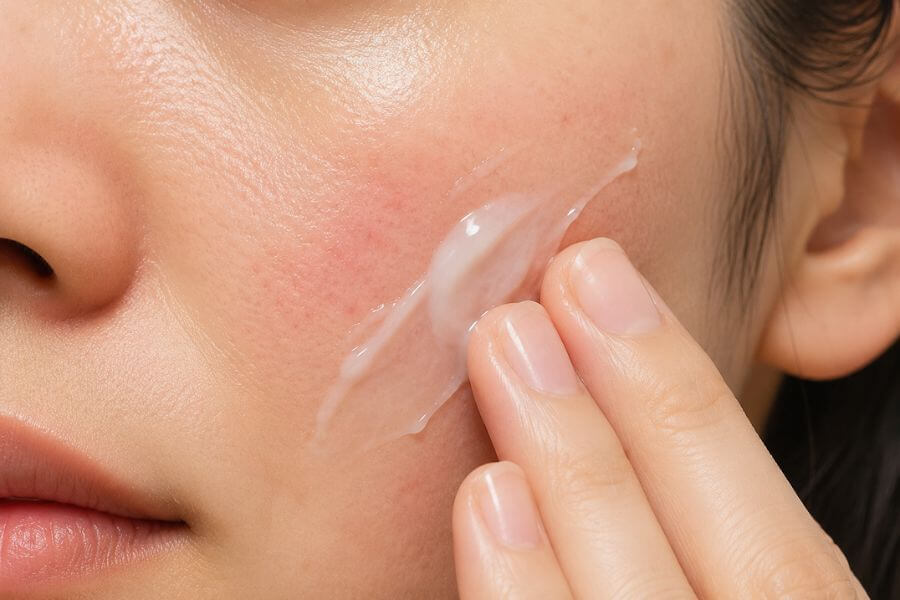
A great way to check your skin status is the simple moisturizer test. Apply a plain, fragrance-free lotion to your face. If your skin is healthy, the lotion should feel soothing and cooling.
If your skin turns bright red, feels hot, or stings for more than a few seconds, it means the lotion is seeping into deep cracks in your skin wall. That burning is a loud alarm bell from your body telling you to stop your current routine and start the repair process.
Main Causes of Skin Barrier Damage
Skin does not just break down for no reason. Usually, a few common habits or environmental factors are to blame for stripping away those protective fats.
Over-Washing and Harsh Cleansers
Many people wash their face too often or use products that are way too strong. Squeaky-clean is a dangerous goal for your skin. If your face feels stiff or squeaky after washing, your cleanser has stripped away your precious mortar along with the dirt.
Using foaming washes that contain harsh sulfates is like using dish soap on your face. It dissolves the natural lipids, leaving your skin cells bare and exposed to the harsh air.
Too Many Active Ingredients
We live in a world full of exciting skincare serums. It is tempting to use a vitamin C serum in the morning, a retinol cream at night, and strong exfoliating acids a few times a week.
Using too many powerful ingredients at the same time is the fastest way to destroy your skin shield. These ingredients speed up skin renewal or fight aging, but if your skin is not strong enough to handle them, they act like sandpaper, wearing away your top protective layer until it is raw.
Weather and Environment
The world around you plays a massive role in how your skin behaves. Cold winter air holds very little moisture. When you step outside into freezing winds, the air literally sucks the water out of your skin.
To make matters worse, coming inside to artificial heating dries you out even more. Hot summer sun and blasting air conditioners do the exact same thing. Extreme shifts in temperature and low humidity strip your skin of its natural moisture faster than your body can replace it.
Physical Scrubbing
Using face brushes, rough washcloths, or facial scrubs with sharp beads or crushed walnut shells creates microscopic tears in your skin wall. You might think you are scrubbing away dead cells to reveal smooth skin, but you are actually scratching your brick wall and knocking the bricks out of alignment. Physical friction is highly aggressive and should be avoided when your skin is struggling.
The Repair Plan: Step-by-Step Guide
Fixing your skin requires patience and a step-by-step plan. You must act like a construction worker rebuilding a fragile wall. Here is how to do it correctly.
Step One: Strip Your Routine to the Basics
The first and most important step is to stop the damage. Put away all your fancy serums, anti-aging creams, acne treatments, and exfoliating pads. For the next few weeks, your routine should only have three components: a safe cleanser, a heavy moisturizer, and a protective sunscreen.
Do not worry about skipping your acne treatments. Your pimples will actually heal better once your skin is no longer inflamed and irritated.
Step Two: Wash with Gentle Care
When you wash your face, use lukewarm water. Hot water melts your skin fats just like hot water melts grease on a dinner plate. Use a non-foaming, milk or gel cleanser that is labeled as sulfate-free and fragrance-free.
Apply it gently using only your clean fingertips. Move your fingers in soft circles without pressing down hard. Rinse thoroughly with cool water and pat your face dry with a clean, soft towel. Never rub your skin dry.
Step Three: Add Deep Hydration
While your skin is still slightly damp from washing, you want to flood it with water-binding ingredients. Damp skin absorbs hydration much better than bone-dry skin.
Apply a simple, watery toner or serum rich in ingredients that love water. This acts like a big drink of water for your thirsty skin cells, plumping them up and filling the empty spaces in your broken wall.
Step Four: Seal the Moisture
Once you have added hydration, you must lock it in so it cannot evaporate into the room. This is where a thick, comforting cream comes into play.
Look for creams that feel rich and buttery. These creams create a fake shield over your face, doing the job of your broken barrier while your skin works on growing new fats underneath. Smooth a generous layer over your face and neck every morning and night.
Step Five: Never Skip Sun Shielding
UVA and UVB rays from the sun damage your skin cells and slow down the healing process. When your barrier is broken, the sun can penetrate deeper and cause even more inflammation.
Every single morning, apply a generous amount of mineral sunscreen. Look for sunscreens that use zinc oxide or titanium dioxide, as these sit on top of the skin and reflect the sun away without causing the burning feeling that chemical sunscreens sometimes bring to sensitive skin.
Superstar Ingredients That Fix Your Skin
When you go shopping for your repair products, you need to read the ingredient labels carefully. Certain specific ingredients act like medicine for a broken skin wall.
Ceramides
As you learned earlier, ceramides make up half of your skin mortar. When your barrier is broken, your ceramide levels are dangerously low.
Using a lotion that contains ceramides is like delivering a truckload of fresh mortar directly to a crumbling construction site. They slot right into the empty gaps between your skin cells, instantly helping to rebuild the tight seal and stop water from escaping.
Fatty Acids and Cholesterol
Ceramides work best when they are paired with their best friends: cholesterol and fatty acids. Look for products that mention a combination of these three fats.
When applied together, they mimic the natural structure of your skin perfectly. This helps your skin recognize the ingredients and use them immediately to patch up the holes in your defense shield.
Hyaluronic Acid and Glycerin
These two ingredients are humectants, which means they act like tiny magnets for water. Hyaluronic acid can hold an incredible amount of water relative to its weight. Glycerin is a small molecule that can travel deep into the skin layers to deliver deep hydration.
They pull moisture from the air and hold it close to your skin cells, keeping your face soft and preventing that tight, painful feeling that happens when your skin dries out.
Niacinamide
Niacinamide is a form of vitamin B3 that does wonders for skin repair. It helps your skin naturally produce more of its own ceramides.
It also calms down redness and lowers inflammation. By reducing the irritation inside your skin, niacinamide allows your face to focus its energy on healing rather than fighting off constant inflammation.
Centella Asiatica and Panthenol
Centella Asiatica, also known as cica, is an herb that has been used for hundreds of years to heal wounds. Panthenol is vitamin B5, a deeply soothing liquid that comforts irritated tissue.
Both of these ingredients excel at putting out the fire in your skin. They stop the stinging feeling, cool down hot skin, and speed up the rate at which your skin repairs its outer cells.
Ingredients to Avoid While Healing
Just as important as what you put on your face is what you keep away from it. Using the wrong product just one time can reset your healing timeline back to zero.
Exfoliating Acids
Stay far away from alpha-hydroxy acids like glycolic acid or lactic acid, and beta-hydroxy acids like salicylic acid. These ingredients are designed to dissolve the bonds between skin cells to peel them away.
When your shield is already broken, you do not have any skin cells to spare. Adding these acids will only dig the holes in your barrier deeper, causing severe burns and long-term redness.
Retinoids and Vitamin C
Retinol, retinal, and prescription acne creams speed up the rate at which your skin sheds old cells. While this is great for wrinkles or acne on healthy skin, it is too aggressive for a damaged barrier.
Vitamin C is often highly acidic and can irritate raw skin. Keep these products tucked away in a drawer until your skin feels completely calm and normal for several consecutive weeks.
Harsh Sulfates and Alcohol
Check your cleansers for words like sodium lauryl sulfate. These bubbles are too strong and will wash away the fats you are trying to rebuild.
Also, avoid toners or lotions that contain denatured alcohol or isopropyl alcohol. These alcohols evaporate quickly on the skin, taking your natural moisture along into the air and leaving your face drier than before.
Artificial Fragrances and Essential Oils
Products that smell like flowers, perfume, or citrus fruit might be pleasant to use, but fragrance is a leading cause of skin allergies and irritation.
When your barrier is broken, fragrance molecules can slip past the top layer and trigger an immune response deep inside your skin, leading to itchy bumps, redness, and swelling. Choose products that say fragrance-free on the front label.
Lifestyle Habits that Support Healing
Skincare is only half of the puzzle. Your body builds your skin barrier from the inside out, so your daily habits matter just as much as your creams.
Drinking Water and Hydration from Within
While creams stop water from leaving your skin, drinking water ensures that your body has enough moisture to send to your skin cells in the first place.
Drink plenty of water throughout the day. You can also eat foods with high water content, like cucumbers, watermelons, and strawberries, to help keep your body fully hydrated.
Sleep and Skin Cell Turnover
When you sleep deeply, your body goes into repair mode. It pumps out growth hormones that help heal tissues and create new cells.
If you skimp on sleep, your body produces more cortisol, a stress hormone that breaks down collagen and slows down skin repair. Aim for eight hours of restful sleep each night to give your skin the time it needs to rebuild its wall.
Stress and Inflammation
High stress levels cause your body to release chemicals that trigger inflammation. This inflammation makes your skin more sensitive and slows down the production of healthy fats.
Find simple ways to unwind every day, like reading a book, listening to calm music, or taking a walk outside. Lowering your stress will visibly calm the redness on your face.
Diet and Healthy Fats
Your body cannot make skin lipids if you do not feed it the building blocks. Eat foods that are rich in healthy fatty acids.
Salmon, walnuts, flaxseeds, chia seeds, and avocados are packed with nutrients that your body uses to create natural skin oils. Eating a balanced diet gives your skin the materials it needs to build a strong, flexible barrier.
What to Expect During the Healing Process
Rebuilding a skin barrier takes time. It will not happen overnight, and knowing the timeline can help you stay patient.
Timeline of Recovery
During the first week of your basic routine, the burning and stinging should start to fade. Your skin will begin to feel less hot and uncomfortable.
By week two and three, the flakiness and rough texture will start to smooth out as your cells settle into a better pattern. By week four, your skin should look plumper, hold moisture longer, and show much less redness. This matches the four-week cycle your skin takes to grow a completely new layer of cells.
Summary of Healing Phases
Here is a map of what your skin goes through during the road to recovery.
| Phase | Timeframe | What is Happening Inside | What You See on the Outside |
| Phase One: Calming | Days 1 to 7 | Inflammation goes down as harsh products are removed. | Burning stops and redness begins to fade away. |
| Phase Two: Patching | Days 8 to 14 | New lipids fill the microscopic cracks in the wall. | Flakes disappear and skin feels much less tight. |
| Phase Three: Strengthening | Days 15 to 21 | Skin cells align properly into a strong structure. | Texture becomes smooth and skin holds moisture better. |
| Phase Four: Renewal | Days 22 to 28 | A brand new, healthy skin layer reaches the surface. | Skin looks radiant, bouncy, and feels completely calm. |
When to See a Doctor
If you have followed a simple, gentle routine for a month and your skin still burns, bleeds, oozes, or looks bright red, it is time to visit a dermatologist.
Sometimes, a broken barrier can turn into a skin infection or mask an underlying condition like eczema or rosacea that requires special prescription creams to heal. A doctor can look closely at your skin and give you the exact medical help you need.
Frequently Asked Questions
How long does it take to fix a broken skin barrier?
For most people, it takes between three to four weeks of consistent, basic care to rebuild the barrier. This timeline matches the natural cycle of your skin, which takes about twenty-eight days to grow new cells and push them to the surface. If the damage is severe or has been going on for years, it can take up to two or three months of gentle care to fully restore your skin strength.
Can I still wear makeup while my skin barrier is healing?
It is best to avoid heavy makeup while your skin is repairing itself. Liquid foundations and concealers often contain alcohols, fragrances, and pigments that can slip into the cracks of your skin and cause irritation. If you must wear makeup, choose mineral powder or a gentle, fragrance-free cream foundation. Always wash it off gently at night using your safe, non-foaming cleanser.
Will skipping my acne routine make my pimples worse?
It might feel scary to stop your acne creams, but it is actually the best thing for your breakouts. A broken skin barrier lets bacteria enter easily, which causes a lot of acne. By focusing on healing your barrier, you strengthen your skin natural defense system against acne bacteria. Many people find that their pimples clear up naturally once their skin barrier becomes strong and healthy again.
How do I know when my skin barrier is completely healed?
You will know your skin is healed when it no longer stings or turns red when you apply a basic moisturizer. Your face will feel soft, smooth, and flexible instead of rough or tight. You will also notice that your skin stays hydrated all day long without needing you to reapply lotion every few hours. Once your skin stays calm and even-toned for a couple of weeks, your barrier is back in top shape.
Can I use a facial oil instead of a moisturizer cream?
Facial oils are great, but they cannot replace a moisturizer cream on their own. Oils are occlusives, which means they act like a blanket to trap moisture. However, they do not contain water or humectants to actually hydrate your skin cells. For the best results, apply a hydrating serum or cream first to give your skin water, then press a few drops of oil on top to lock that water in place.
Is it safe to use a washcloth to gently remove skin flakes?
No, you should avoid using washcloths, sponges, or face brushes while your barrier is healing. Even a soft washcloth creates friction that can pull away skin cells before they are ready to drop off naturally. This creates raw spots and worsens the cracks in your shield. Let the flakes fall off on their own as you wash gently with your bare hands.
Can weather changes break my skin barrier even if my routine is good?
Yes, sudden changes in the weather can shock your skin and damage your barrier. A fast drop in humidity, freezing winter winds, or moving from hot outdoor air into cold air-conditioned rooms can rapidly strip moisture from your face. During these seasonal shifts, you should upgrade to a slightly thicker cream to give your skin extra protection against the environment.