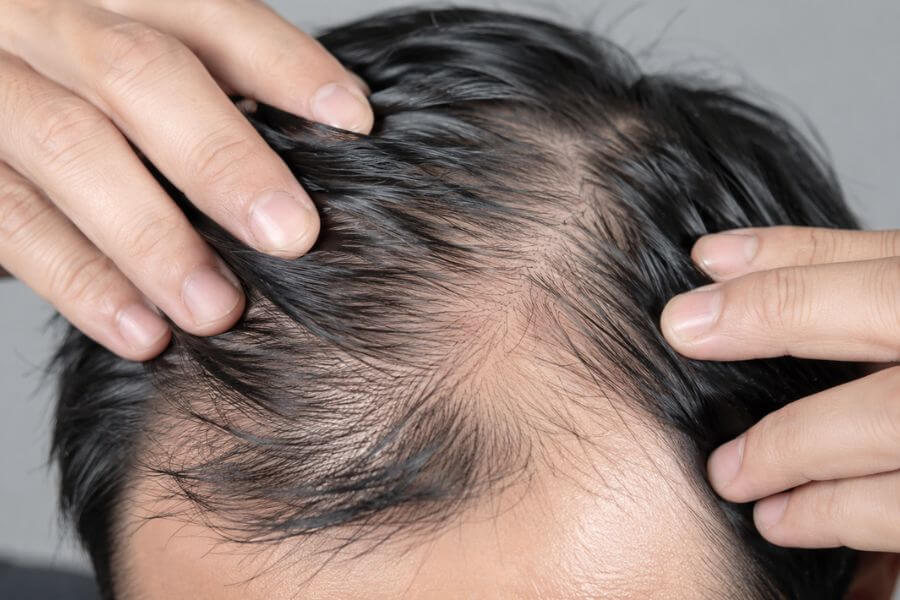
Finding more hair in your shower drain than usual can feel alarming. You look in the mirror and notice your part looks wider, or your hairline seems a little further back than it used to be. It is easy to panic and think you are losing your hair forever, but hair thinning is incredibly common, and it is something millions of people deal with every single day.
The great news is that you do not have to just sit back and let it happen. Hair science has come a long way, and there are real, proven methods to help you get your thick hair back. This guide skips the myths and focuses entirely on what actually brings results. You will learn exactly why your hair is thinning and explore the real choices you have to fix it, from simple daily habits to medical options.
Quick Summary of What Works
If you want a fast overview of the most reliable ways to fix hair thinning, this table breaks down the top choices based on how they work, how much effort they take, and when you can expect to see results.
| Treatment Type | How It Helps Your Hair | Daily Effort Level | Time to See Results |
| Scalp Massages | Boosts blood flow to wake up sleepy hair roots | Very low | 4 to 6 months |
| Nutrient Tweaks | Supplies vitamins to build strong hair strands | Low | 3 to 6 months |
| Laser Caps / Bands | Uses safe light energy to trigger hair growth | Low to medium | 4 to 6 months |
| Topical Drops | Keeps hair in the growing phase much longer | Medium | 3 to 4 months |
| Prescription Pills | Blocks the specific hormone that shrinks hair | Medium | 6 to 12 months |
Why Is Your Hair Thinning in the First Place?
Before you can fix the problem, you need to understand what is happening beneath your scalp. Your hair does not just grow continuously forever; it goes through natural cycles of growing, resting, and shedding. When hair thinning begins, something is disrupting this natural rhythm.
The Hidden Power of Genetics and Hormones
For most people, thinning comes down to family history. You inherit genes that make your hair roots sensitive to a specific hormone called DHT. Think of DHT as a tiny gatekeeper that slowly shrinks your hair roots over time.
As the roots get smaller, the hair strands grow back thinner and shorter during each new cycle. Eventually, the hair becomes so thin that it looks like peach fuzz, or it stops growing altogether. This type of thinning happens slowly, often starting at the crown of your head or along your hairline.
The Role of High Stress and Big Life Changes
Have you ever gone through a really tough time, like studying for major exams, dealing with an illness, or experiencing a sudden shock, only to notice your hair shedding like crazy a few months later? This is a specific condition where high stress shocks your hair roots.
Instead of staying in their normal growing phase, a huge number of hairs get pushed into the shedding phase all at once. The good news about stress-related thinning is that it is usually temporary. Once your body relaxes and finds its balance again, your hair roots typically wake up and start growing normally again.
Missing Out on Vital Body Fuel
Your body views hair as a luxury, not a necessity. If you are not eating enough of the right nutrients, your body will send whatever vitamins you do have to your heart, lungs, and brain first. Your hair gets left with the scraps.
When you do not get enough protein, iron, or specific vitamins, your hair roots lack the building blocks they need to create strong strands. This makes your hair weak, brittle, and prone to breaking before it ever reaches its full length.
Simple Daily Habits to Revive Your Hair
You do not always need a doctor to start your hair growth journey. Some of the most helpful steps involve small changes to your everyday routine that cost next to nothing.
Master the Art of the Scalp Massage
Your hair roots need a constant supply of blood to stay healthy. Blood carries oxygen and fresh nutrients directly to the root of each hair strand. A simple way to increase this blood flow is by massaging your scalp with your fingertips.
- The Technique: Use the soft pads of your fingers, not your fingernails. Press down gently but firmly on your scalp and move your fingers in small, circular motions.
- The Routine: Spend just 4 or 5 minutes doing this every single day. You can do it while watching TV, sitting in bed, or washing your hair in the shower.
- The Science: This movement stretches the cells of your hair roots, which signals them to grow thicker, stronger hair strands.
Rethink Your Shower Routine
The way you wash your hair can either protect it or cause unnecessary damage. Many people treat their scalp too roughly, which can pull out hairs that are already weak.
- Temperature Matters: Avoid washing your hair with boiling-hot water. Hot water strips away the natural oils that protect your scalp, leaving it dry and inflamed. Use lukewarm water instead.
- Shampoo the Scalp, Not the Tips: Focus your shampoo directly on your scalp where oil and dirt build up. You do not need to scrub the ends of your hair, as the soap running down will clean them safely.
- Condition Safely: Always use conditioner to keep your strands moisturized, but only apply it from the middle of your hair down to the tips. Putting conditioner directly on your scalp can weigh your hair down and make it look thinner.
Change the Way You Style Your Hair
Sometimes, the way you wear your hair is the main reason it is thinning. Constant pulling and heat can snap your hair strands and destroy your hair roots.
- Loosen Up: If you love tight ponytails, high buns, or tight braids, you might be causing a type of thinning called traction alopecia. This happens when constant tension pulls the hair roots right out of the scalp. Switch to loose styles or use soft hair ties like scrunchies.
- Put Down the Hot Tools: High heat from blow-dryers, straighteners, and curling irons melts the protective outer layer of your hair. If you must use heat, turn the temperature setting down low and always apply a heat-protecting spray first.
- Brush with Care: Never aggressively rip a brush through wet hair. Wet hair is stretchy and weak, meaning it breaks easily. Use a wide-tooth comb or a brush specifically designed for wet hair, and always start detangling from the ends, working your way up to the roots.
Fueling Hair Growth from the Inside Out
What you put into your body has a direct impact on how well your hair grows. Eating a balanced diet filled with hair-friendly foods is like giving your hair roots premium fuel.
Load Up on High-Quality Protein
Your hair is made almost entirely of a tough protein called keratin. If you are not eating enough protein, your body cannot physically produce new hair strands.
- Animal Sources: Chicken, turkey, fish, and eggs are packed with the exact building blocks your hair needs. Eggs are especially great because they also contain a hair-friendly nutrient called biotin.
- Plant Sources: If you do not eat meat, you can get your protein from lentils, chickpeas, beans, tofu, and nuts.
- Daily Goal: Try to include a source of protein in every single meal to keep a steady supply of nutrients flowing to your hair roots.
Focus on Iron and Ferritin
Iron helps your red blood cells carry oxygen throughout your body. If your iron levels drop, your body cannot deliver enough oxygen to your hair roots, causing them to go dormant.
- Iron-Rich Foods: Lean red meat, spinach, kale, broccoli, and fortified cereals are excellent sources of iron.
- The Vitamin C Trick: Your body struggles to absorb iron from plants on its own. To fix this, pair your green vegetables with foods high in vitamin C, like strawberries, oranges, or bell peppers. This helps your body soak up the iron much better.
Essential Vitamins for Stronger Strands
While a regular multivitamin is helpful, a few specific vitamins play a massive role in keeping your hair thick and vibrant.
- Vitamin D: This vitamin helps create new hair roots. Many people do not get enough sun exposure, which leads to a vitamin D shortage that can trigger hair shedding. You can find it in fatty fish, egg yolks, and fortified milk.
- Zinc: Zinc helps your hair tissue grow and repair itself. It also keeps the oil glands around your hair roots working correctly. You can get zinc from pumpkin seeds, beef, and chickpeas.
- Omega-3 Fatty Acids: These healthy fats keep your scalp moisturized and reduce inflammation that can stunt hair growth. Find them in walnuts, chia seeds, flaxseeds, and salmon.
Over-the-Counter Treatments That Deliver
When natural methods need a boost, you can turn to proven products available at your local store or pharmacy without a doctor’s note.
Topical Hair Growth Drops
This is one of the most famous and widely trusted treatments for hair thinning. It is a liquid or foam that you apply directly to your scalp twice a day.
- How It Works: It widens the tiny blood vessels in your scalp, allowing more oxygen and nutrients to reach your hair roots. It also forces hair roots out of their resting phase and into their growing phase.
- What to Expect: When you first start using it, you might notice an increase in shedding for the first few weeks. Do not panic! This is actually a sign that the treatment is working. It is pushing out old, thin hairs to make room for new, thicker ones.
- The Rules: You must be consistent. If you stop using these drops, your hair will eventually return to the way it looked before you started.
Hair-Thinning Shampoos
While shampoo alone cannot cure genetic hair thinning, the right formula can create a healthy environment on your scalp for new growth.
- Look for Ketoconazole: This ingredient is often found in dandruff shampoos, but studies show it also helps reduce the harmful effects of DHT on your scalp.
- Avoid Harsh Sulfates: Many cheap shampoos use strong chemicals called sulfates to create a lot of bubbles. These chemicals can irritate a sensitive scalp and strip away natural moisture. Look for sulfate-free labels.
- Volumizing Formulas: These shampoos use lightweight proteins that coat each hair strand, making your hair look instantly thicker and fuller after a single wash.
Advanced and Medical Solutions
If your hair thinning is advanced, or if you want faster and more dramatic results, it might be time to look into medical treatments and professional procedures.
Prescription Pills That Block DHT
For people dealing with genetic hair thinning, a doctor can prescribe a daily pill that gets to the root of the problem.
- The Mechanism: This medicine works by stopping your body from turning normal testosterone into the hair-shrinking hormone DHT. By lowering DHT levels in your scalp, your hair roots can finally relax, grow larger, and produce thicker hair.
- The Timeline: This is a slow process. You need to take the pill every day for at least 6 months to see a change, and a full year to see the final results.
- A Note on Safety: Like any medication, these pills can have side effects. It is vital to speak with a trusted doctor to see if this option is safe for you.
Low-Level Laser Therapy
This treatment sounds like science fiction, but it is backed by real medical research. You can buy laser devices shaped like helmets, caps, or combs to use right at home.
- How It Works: The device shines safe, red laser light onto your scalp. This light penetrates deep into your skin and stimulates the power centers of your cells, giving your hair roots the energy they need to grow.
- The Benefits: It is completely painless and has zero side effects. You usually only need to wear the cap for 10 to 20 minutes a few times a week.
- Choosing a Device: Make sure to look for a device that is cleared by official safety agencies, as cheap knock-offs will not use the correct light wavelengths to help your hair.
Platelet-Rich Plasma Therapy
This is an in-office medical procedure performed by dermatologists and hair specialists. It uses the healing power of your own blood to supercharge your hair roots.
- The Process: First, a nurse draws a small amount of blood from your arm. They place this blood into a special spinning machine that separates the platelets from the rest of the blood. These platelets are full of natural growth factors.
- The Treatment: The doctor then injects this concentrated, nutrient-rich fluid directly into the thinning areas of your scalp.
- The Schedule: You usually need a series of 3 or 4 sessions spaced one month apart, followed by maintenance visits once or twice a year to keep your hair growing strong.
Comparing Your Options: A Quick Guide
To help you decide which path is right for your budget, time, and lifestyle, use this comparison table to weigh the pros and cons of each major treatment.
| Treatment Name | Estimated Cost | Main Benefits | Potential Drawbacks |
| Scalp Massage | Free | Safe, relaxes you, zero side effects | Takes a long time to see small changes |
| Dietary Tweaks | Low | Improves your total body health | Will not fix purely genetic thinning |
| Topical Drops | Medium | Proven to work, easy to find | Can cause a dry scalp, must use forever |
| Laser Caps | High upfront cost | Painless, buy it once and use at home | Devices can be expensive to purchase |
| Prescription Pills | Low to medium | Attacks the root cause of thinning | Requires a doctor, potential side effects |
| Plasma Injections | Very high | Powerful results using your own cells | Requires needles, costs a lot of money |
Frequently Asked Questions
Can hair thinning be reversed permanently?
The answer depends on what is causing your hair to thin. If your hair is thinning due to a temporary issue like high stress, a poor diet, or a vitamin shortage, your hair will usually return to its normal thickness permanently once you fix the underlying issue. However, if your thinning is caused by your genes and hormones, there is no permanent cure. You can absolutely reverse the thinning and grow thick hair again, but you will need to continue your treatments over the long haul to keep those results.
How can I tell the difference between normal hair shedding and real thinning?
It is completely normal to lose between 50 and 100 hairs every single day as part of your hair’s natural life cycle. You will usually notice these hairs when you brush or wash your hair. Real hair thinning is different. Instead of just seeing hairs fall out, you will notice that the quality of your hair is changing. Your hair might look flatter, your scalp might become more visible through your hair strands, or your ponytail might feel much lighter when you hold it.
Does washing my hair too often make it thin out faster?
Washing your hair does not cause hair thinning. When you see hairs accumulate in the drain while shampooing, those hairs had already disconnected from their roots days before. The physical act of washing simply dislodges them. In fact, keeping your scalp clean is highly important for hair growth. If you do not wash your hair enough, oil, sweat, dead skin, and hair products can build up around your hair roots, causing inflammation that can actually slow down new hair growth.
Are natural hair growth oils worth using?
Some natural oils can be fantastic additions to your hair care routine. For example, rosemary oil has shown promising results in clinical studies, performing similarly to some over-the-counter hair drops when used consistently for several months. Oils like jojoba, argan, and coconut oil do not necessarily grow new hair from the root, but they are amazing at moisturizing your existing hair strands. This makes your hair more flexible and less likely to snap from brushing.
How long does it take to see real progress from hair treatments?
You need to practice a lot of patience when treating hair thinning. Hair grows very slowly, usually only about half an inch per month. Because of this slow cycle, you will rarely see any visible changes during the first 2 or 3 months of a new routine. Most treatments take between 4 and 6 months of daily consistency before you start noticing tiny, new hairs sprouting along your hairline or crown. Full results often take a year.