Your hair goes through a lot every single day. You blow-dry it, use a flat iron, dye it bright colors, or bleach it to get that perfect shade. Over time, all that styling takes a massive toll on your strands. One day you wake up, look in the mirror, and notice your hair feels like straw, snaps when you brush it, and looks completely dull. When hair reaches this point, standard conditioners just will not cut it. You need something stronger that actually goes deep inside the hair structure to fix the real problem. This is where bond repair treatments step in to save the day. They do not just coat the outside of your hair to make it feel temporary soft; they actually rebuild the broken internal networks that keep your hair strong, bouncy, and healthy.
Key Takeaways
- Internal Repair: Bond repair treatments rebuild broken disulfide bonds inside your hair, unlike regular conditioners that only coat the surface.
- Damage Control: These treatments specifically target and reverse extreme damage caused by chemical bleaching, hair dye, high heat styling, and rough brushing.
- Stronger Strands: Regular use of bond builders reduces breakage, stops split ends from crawling up the hair shaft, and brings back natural elasticity.
- Routine Integration: You should use a bond repair product once a week for moderate damage, or up to three times a week for highly bleached or fried hair.
- All Hair Types: Whether your hair is pin-straight, wavy, curly, or coily, bond repair works the exact same way on a molecular level to restore strength.
The Inner Structure of Your Hair
To understand how your hair gets damaged and how to fix it, you need to know what a single strand of hair actually looks like on the inside. Your hair is not just a solid tube. It is made of multiple layers, complex proteins, and tiny chemical links that hold everything together.
The Three Main Layers
Think of your hair strand like a tree trunk with three distinct layers.
The outermost layer is called the cuticle. This layer looks like shingles on a roof. When your hair is healthy, these shingles lay flat and smooth. They protect the inner layers and lock in moisture so your hair looks shiny.
The middle layer is called the cortex. This is the thickest part of your hair and makes up most of its weight. The cortex contains all the strength, elasticity, and color of your hair. Inside the cortex, you find long chains of a tough protein called keratin.
The innermost layer is the medulla. This is a soft, thin core in the center of the hair strand. Not everyone has a medulla, especially people with very fine or blonde hair, and scientists are still not entirely sure what its main job is. For hair repair, the cortex is where all the action happens.
The Power of Keratin Chains
Your cortex is packed with keratin proteins. Keratin is the same stuff that makes up your fingernails and the outer layer of your skin. Inside your hair, these proteins form long, twisting chains that look like microscopic ropes.
These ropes need to stay tightly bundled together so your hair can stretch without snapping. If these protein chains fall apart, your hair loses its structure. It becomes limp, stretchy like wet gum, or so brittle that it crumbles when you touch it.
Meet the Three Hair Bonds
To keep those keratin ropes bundled tight, your hair relies on three different types of chemical bonds.
First are hydrogen bonds. These are weak, temporary bonds that break every time your hair gets wet and reform when your hair dries. This is why you can set your hair in rollers while it is wet, and it holds a new shape once it is dry.
Second are salt bonds. These are also temporary and break when the pH balance of your hair changes, like when you use a highly alkaline shampoo.
Third are disulfide bonds. These are the strongest and most important bonds. They are permanent links that tie the keratin proteins together like the rungs of a ladder. They do not break from water. Instead, they only break from harsh chemical treatments or intense heat. When you destroy these disulfide bonds, you get severe hair damage.
How Hair Bonds Break down
Now that you know what keeps your hair strong, let us look at the things you do every day that smash those strong disulfide bonds to pieces. Damage happens slowly over time, or it can happen all at once during a bad salon visit.
Chemical Processing Overload
Bleaching is the absolute fastest way to destroy your hair bonds. When bleach sits on your hair, it enters the cortex to dissolve your natural color pigments. In the process, the harsh chemicals aggressively attack and break your disulfide bonds.
Permanent hair dyes and chemical straighteners do a similar thing. They force the hair cuticle open and alter the inner structure of the cortex. If you do these treatments too often, or if you leave the chemicals on your hair for too long, your disulfide bonds get completely wiped out. This leaves your hair hollow, weak, and highly prone to snapping.
Intense Heat Styling
Your favorite flat iron, curling wand, and blow-dryer are secret culprits behind broken bonds. When you apply high heat to your hair, you are boiling the moisture inside the strand.
This extreme temperature physically melts the keratin proteins and snaps the disulfide bonds. If you see smoke or steam rising from your hair when you style it, that is a clear sign that your bonds are breaking under the pressure. Over time, daily heat styling creates micro-cracks along the hair shaft that you cannot fix with regular washing.
Mechanical Friction and Weather
Believe it or not, just brushing your hair roughly can snap your bonds. When you yank a brush through tangled, wet hair, you stretch the hair past its breaking point, which rips the internal structure apart.
Environmental factors also play a massive role. The strong ultraviolet rays from the sun break down the proteins in your hair just like they burn your skin. Chlorine from swimming pools and salt water from the ocean strip away protective oils and weaken the chemical links inside your strands, leaving them dry and exposed.
The Signs of Severely Damaged Hair
It is important to know the difference between dry hair and damaged hair. Dry hair simply lacks moisture and needs oils. Damaged hair has a broken internal structure and needs structural repair. Here is how you can tell if your hair has severe bond damage.
The Elasticity Test
Healthy hair has a natural stretch. You can test your hair elasticity at home with one simple trick. Take a single strand of hair from your head while it is wet. Hold it firmly between your fingers and gently pull it.
If the hair stretches a little bit and then bounces back to its original length when you let go, your bonds are healthy. If the hair stretches and stretches without bouncing back, or if it snaps instantly with zero stretch, your disulfide bonds are severely compromised.
Rough Texture and High Porosity
Run your fingers down a strand of your hair. Does it feel bumpy, rough, or like a piece of dry velcro? That means your cuticle layers are lifted and jagged because the internal bonds can no longer hold them down flat.
Damaged hair also becomes highly porous. This means it has tiny holes all over the surface. Highly porous hair sucks up water like a sponge but loses it just as fast. If your hair takes forever to dry, or if it feels heavy and mushy when wet, you are dealing with high porosity caused by bond damage.
Chronic Tangles and Split Ends
When your hair bonds break, the strands lose their smooth coating. They start to hook onto each other like tiny pieces of sandpaper. This causes massive, stubborn knots that appear just hours after you brush your hair.
You will also notice split ends that travel up the hair shaft. Instead of a clean edge at the bottom, your hair splits into two or three pieces at the tips. If you do not fix the bonds, these splits will keep moving higher and higher until the whole strand breaks off near your scalp.
What Are Bond Repair Treatments?
For decades, the only way to deal with fried hair was to chop it all off. Standard deep conditioners could make the hair look shiny for a day by coating it in silicones and heavy oils, but the first rinse would wash all that away. Bond repair treatments changed everything by introducing a completely new science to hair care.
The Scientific Breakthrough
Bond repair treatments are formulated with special, patented molecules that are small enough to pass straight through the outer cuticle layer. Once inside the middle cortex, these molecules look for broken disulfide bonds.
They act like a microscopic bridge or a piece of glue, locking onto the two broken ends of the bond and snapping them back together. This creates a brand-new link that restores the structural integrity of the hair strand. Because this happens inside the hair, the results do not wash out with shampoo.
Bond Repair versus Regular Deep Conditioners
It helps to think of your hair like a house that needs repair. A regular deep conditioner is like a fresh coat of paint on the outside walls. It makes the house look pretty, colorful, and clean from the street, but it will not stop the house from falling down if the wooden frame inside is rotting.
A bond repair treatment is like going into the basement and rebuilding the structural support beams of the house. It fixes the actual foundation so the building stays standing.
| Feature | Regular Deep Conditioner | Bond Repair Treatment |
| Primary Goal | Adds moisture and surface softness | Rebuilds internal disulfide bonds |
| Target Layer | Works mostly on the outer cuticle | Works deep inside the inner cortex |
| Key Ingredients | Plant oils, butters, and silicones | Patented active bond-building molecules |
| Longevity | Washes out after one or two shampoos | Long-lasting structural improvement |
| Best Used For | Dry, frizzy, or tangled hair | Bleached, colored, or heat-damaged hair |
Popular Active Ingredients in Bond Builders
Different hair care brands use different types of molecules to fix broken bonds. When you shop for these products, you will see a lot of complex names on the back of the bottles. Knowing what these ingredients do will help you pick the best product for your specific hair goals.
Bis-Aminopropyl Diglycol Dimaleate
This is the famous molecule that started the entire bond-building revolution in salons worldwide. It is a single active ingredient that creates a permanent bridge between broken disulfide bonds.
It works rapidly during and after chemical treatments to prevent damage before it even starts. This ingredient is excellent for anyone who undergoes heavy bleaching or frequent color transformations, as it completely shields the hair from the harsh side-effects of chemical processing.
Maleic Acid and Citric Acid Complexes
Many drugstore and high-street brands use a blend of specific acids, such as maleic acid, citric acid, and succinic acid, to repair hair. These acids work by creating a protective matrix around the keratin chains.
They help re-link broken hydrogen and salt bonds while supporting the disulfide bonds. These acid complexes are fantastic for smoothing out the hair texture, reducing frizz, and making rough hair feel incredibly sleek and glossy after heat styling.
Hydrolyzed Vegetable Proteins and Peptides
Some newer bond repair systems use plant-based technology. They break down proteins from wheat, soy, or quinoa into tiny fragments called peptides.
These peptides are engineered to mimic the natural amino acids found in human hair keratin. They fill in the empty, hollow gaps along the damaged hair shaft, gluing the weakened sections back together. This type of treatment is superb for fine hair because it adds physical weight, thickness, and volume without making the hair look greasy.
Step-by-Step Guide to Using an At-Home Bond Treatment
Using a bond repair treatment at home is easy, but you have to follow the steps correctly to get the absolute best results. These are not standard conditioners, so you cannot just slap them on in the shower and rinse them off thirty seconds later. Follow this precise routine to get maximum strength back into your strands.
Step One: Start with Clean, Damp Hair
Most bond repair treatments work best on damp, towel-dried hair. Damp hair allows the active molecules to travel easily through the cuticle layers into the cortex.
If your hair has a lot of heavy styling creams, dry shampoo, or hairspray on it, you should wash it with a gentle clarifying shampoo first. This removes the barrier of buildup so the treatment can penetrate deeply without any roadblocks. Squeeze out excess water so your hair is wet but not dripping.
Step Two: Section and Apply Product
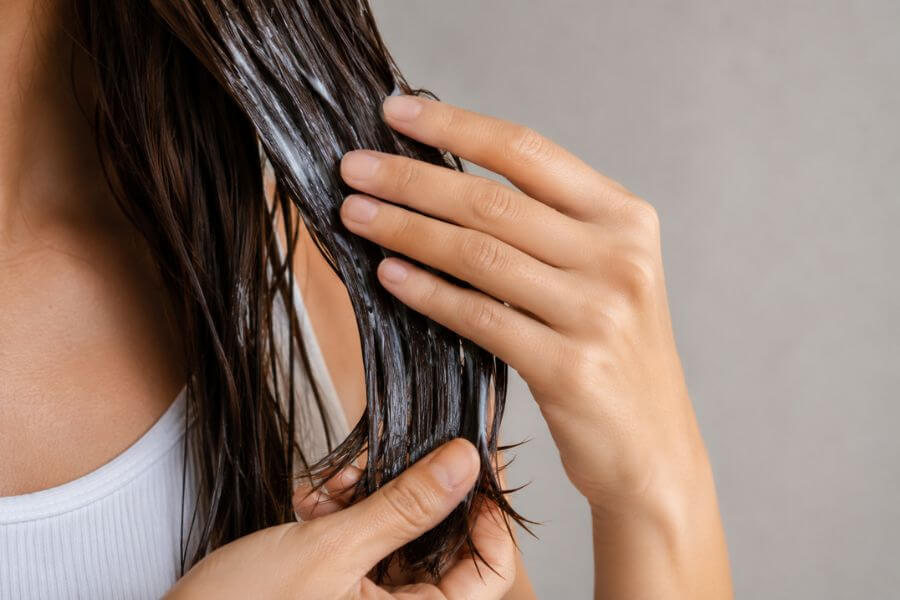
Divide your hair into four manageable sections so you do not miss any spots. Take a nickel-sized amount of the bond repair treatment and work it thoroughly through each section, moving from the mid-lengths down to the very tips.
Avoid putting a large amount directly on your scalp, as your roots are new, healthy hair that does not need intensive repair. Use a wide-tooth comb to gently distribute the product evenly through every single strand.
Step Three: Let It Wait
Time is your best friend when it comes to bond repair. The molecules need time to find the broken links and fuse them back together.
Leave the treatment on your hair for at least ten to twenty minutes. If your hair is severely fried, you can leave it on for up to thirty minutes. You can pop on a plastic shower cap to trap the natural heat from your head, which helps open up the hair cuticle even more for deeper penetration.
Step Four: Rinse, Shampoo, and Condition
This is the step that surprises most people. Many at-home bond treatments are pre-shampoo formulas. This means you must rinse the treatment out of your hair, then wash your hair with shampoo, and finish with your regular conditioner.
The bond builder works strictly on the inside of the hair, so you still need a standard shampoo to clean your scalp and a traditional conditioner to smooth down the outer cuticle for surface softness.
How to Create a Balanced Hair Care Routine
Bond repair treatments are incredibly powerful, but they cannot do all the work alone. To achieve beautiful, healthy hair, you need a balanced routine that addresses all of your hair needs. This means combining bond repair with moisture and daily protection.
The Balance of Protein and Moisture
Your hair needs two things to stay healthy: strength and moisture. Bond repair treatments provide immense strength by rebuilding the protein structure. However, if you only use protein and bond repair products without adding moisture, your hair can become too stiff, hard, and brittle.
You must balance things out. If you use a bond repair treatment on Sunday, make sure to use a rich, hydrating hair mask filled with plant oils on Wednesday to keep your strands soft, flexible, and bendable.
The Ideal Weekly Schedule
How often you use a bond treatment depends entirely on how much damage you have. You do not want to overuse these products on healthy hair, but damaged hair requires regular attention to stay strong.
- Mild Damage (Virgin hair with occasional blow-drying): Use a bond repair treatment once every two weeks to maintain strength and protect against everyday wear and tear.
- Moderate Damage (Hair dyed close to natural color, regular use of flat irons): Use a bond repair treatment once a week to fix heat damage and keep color looking vibrant.
- Severe Damage (Highly bleached hair, chemical perms, platinum blonde, brittle ends): Use a bond repair treatment two to three times a week until your hair elasticity improves, then drop down to once a week.
Protecting Your Restored Bonds
Once you spend time and effort fixing your hair bonds, you need to protect them from breaking all over again. Always apply a high-quality heat protectant spray or cream before you use any hot tools.
Turn down the temperature dial on your flat iron; you rarely need to go above 350 degrees Fahrenheit to style your hair. Wear a hat when you spend hours in the bright sun, and sleep on a smooth silk or satin pillowcase to reduce the rough friction that snaps hair bonds while you toss and turn at night.
Salon Bond Treatments versus At-Home Products
If you walk into a professional hair salon, you will notice they offer heavy-duty bond repair services that cost a pretty penny. You might wonder if it is worth booking an appointment or if you should just stick to the bottles you can buy at the local store.
The Salon Professional Experience
In-salon bond treatments are highly concentrated and powerful. Hairstylists mix these professional-grade bond builders directly into the bleach bowl or hair dye mixture.
This means the treatment actively protects your hair bonds at the exact millisecond the chemicals try to break them. It stops damage before it can even happen. Salons also have access to step-by-step systems that use heat lamps to force the ingredients deep into the core of your hair for instant, dramatic results.
At-Home Maintenance Bottles
The retail products you buy for your bathroom contain a slightly lower concentration of active ingredients compared to the professional salon versions. This is done for safety reasons so you cannot accidentally overuse them at home.
However, at-home products are absolutely essential for long-term maintenance. Every time you shampoo your hair, style it, or expose it to the sun, you lose a little bit of that salon strength. Using an at-home bond builder keeps your hair strong between your salon appointments.
Making the Right Choice
If you are planning a massive hair change, like going from dark brown to platinum blonde in one day, you absolutely must get a professional salon bond treatment during the service. It is your insurance policy against your hair melting off.
If your hair is already damaged from past mistakes, or if you just want to fix everyday frizz and heat damage, buying a high-quality at-home bond repair system will give you incredible results over time without breaking the bank.
Common Myths About Bond Repair Treatments
Because bond repair technology is so popular, there is a lot of misinformation floating around on social media. Let us separate the real science from the marketing fairy tales so you can make smart decisions for your hair.
Myth One: Bond Repair Glues Split Ends Back Together
This is a huge misconception. Once the tip of your hair splits completely apart into a jagged fork, nothing on earth can magically fuse those two separated ends back together permanently.
Bond repair treatments strengthen the hair shaft above the split end to stop the tear from traveling further up the strand. The only real cure for an existing split end is a fresh haircut with sharp scissors.
Myth One: You Can Completely Cure Fried Hair
While bond repair treatments work wonders and can make completely fried hair look and feel healthy again, they do not actually cure or revive the hair permanently. Hair is dead tissue; it does not have living cells to heal itself like your skin does.
Bond treatments are a temporary structural fix. If you completely stop using the treatments and return to bleaching your hair every week without protection, your hair will return to its damaged, brittle state very quickly.
Myth One: These Treatments Overload Your Hair with Protein
Many people confuse bond repair treatments with traditional protein treatments. Traditional protein treatments use large protein molecules that sit on the outside of the hair, and using too much can make your hair hard and snappy.
True bond repair products do not use traditional proteins. They use tiny synthetic or organic molecules that work on a chemical link level, meaning they will not cause that stiff, crunchy protein overload even if you use them frequently.
Frequently Asked Questions
Can I leave a bond repair treatment in my hair overnight?
It is generally not a good idea to leave these treatments in your hair overnight. Most bond repair products stop working once your hair dries completely, as the active molecules need moisture to move around and find broken bonds. Leaving your hair wet for eight hours straight can also weaken the hair cuticle, a condition known as hygral fatigue. It is best to follow the instructions on the bottle and rinse the product out after twenty to thirty minutes.
Will bond repair treatments change my natural curl pattern?
No, bond repair treatments will not change your natural curl pattern or make your hair straight. In fact, they usually do the exact opposite. Curly and coily hair naturally relies on strong disulfide bonds to maintain the shape of each spring and wave. When curly hair gets damaged, it loses its bounce and goes limp or frizzy. By repairing those broken bonds, your natural curl pattern becomes tighter, more defined, and significantly more bouncy.
Can I use bond repair if I have never dyed or bleached my hair?
Yes, you can absolutely use these products on natural, virgin hair. Even if you never touch hair dye or bleach, your hair still suffers from everyday bond damage. Daily brushing, towel drying, sun exposure, hard water minerals, and using a blow-dryer or curling iron all break down your disulfide bonds over time. If your natural hair feels dry, frizzy, or breaks easily, a bond treatment will help restore its natural strength and shine.
How long does it take to see visible results from bond repair?
You will usually see and feel a noticeable difference after your very first treatment. Your hair will feel smoother, look shinier, and have less frizz when you style it. However, the true strength benefits build up over time with regular use. If your hair is severely damaged, it may take four to six weeks of consistent weekly treatments to fully restore the elasticity and drastically reduce daily hair breakage.
Is it safe to use bond repair treatments on hair extensions?
You can use bond repair treatments on hair extensions, but you must be incredibly careful with the application. Only apply the product from the mid-lengths to the ends of the extension hair. Never let the treatment touch the roots or the bonds where the extensions attach to your natural hair, whether they are tape-in, glue-in, or micro-beads. The ingredients in the treatment can break down the adhesives or cause the extensions to slip right out of your hair.