As the crisp autumn air rolls in and leaves start to fall, your closet is not the only thing that needs a swap. Your skin goes through major changes when the temperature drops, which means your beauty routine needs to shift too. Going from hot, humid months to freezing, dry weather can make your favorite products look completely different on your face.
This guide will show you how to swap your light summer products for rich winter choices so your skin stays glowing all year.
Key Takeaways
- Hydration is Your Best Friend: Swap out oil-stripping summer cleansers for creamy formulas that keep natural moisture locked into your skin.
- Lightweight Layers Win: Switch heavy powder foundations for liquid or cream versions to avoid a dry, flaky finish.
- Add a Pop of Deep Color: Move away from bright corals and neon pinks toward deep berries, warm plums, and rich browns.
- Protect Your Skin Barrier: Keep using sunscreen even when it is cloudy, and use a damp sponge to apply face makeup for extra hydration.
Why Your Skin Changes When the Seasons Shift
To understand why your products need to change, you have to look at what happens to your skin. Summer brings heat, humidity, and plenty of sweat. Your skin naturally produces more oil during the warmer months, which is why lightweight and matte products work so well. They keep your face from looking like a shiny mess.
When winter arrives, the air loses its moisture. Cold wind outside and dry heater air inside strip away your natural oils. This turns normal skin into dry skin, and dry skin into a flaky, irritated canvas. If you keep using your summer makeup, you might notice your foundation cracking, your blush fading fast, and your lips peeling. Changing your products ensures your makeup sits smoothly on top of healthy skin.
Preparing Your Winter Canvas With Rich Skincare
The secret to amazing winter makeup actually starts before you even touch a brush. A smooth face needs a strong base. If your skin is dry, your makeup will stick to those rough patches and look uneven.
The Gentle Cleanse Swap
In the summer, you might use a foaming gel cleanser to wash away sweat and extra oil. In the winter, that same wash will leave your skin feeling tight and uncomfortable. Switch to a cream-based or lotion-based cleanser. These gently lift away dirt without taking away the essential moisture your skin needs to stay bouncy.
Exfoliation and Hydration
You still need to get rid of dead skin cells, but do not scrub hard. Use a gentle chemical exfoliator once or twice a week instead of a rough face scrub. Look for ingredients like lactic acid, which removes dead skin while helping your skin retain water.
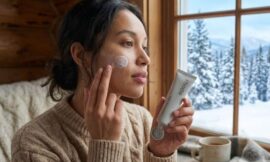
Follow up with a thick, nourishing moisturizer. Look for ingredients like ceramides, which act like tiny bricks to rebuild your skin barrier, and hyaluronic acid, which pulls moisture from the air straight into your cells. Give your lotion five full minutes to sink in before you move on to makeup.
Swapping Your Primers for Ultimate Moisture
Summer primers are all about control. They grip your makeup and stop oil from breaking down your foundation. They often feel velvety and dry down completely matte. Winter primers do the exact opposite job. They act as an extra blanket of moisture to keep your skin plump.
| Summer Primer Goals | Winter Primer Goals |
| Absorbs excess sebum and oil | Adds an instant boost of water |
| Minimizes the look of large pores | Smooths over rough, dry patches |
| Leaves a flat, matte finish | Gives a fresh, dewy glow |
| Resists sweat and high humidity | Prevents makeup from cracking |
Look for primers that contain nourishing oils or water-based formulas. When you apply a hydrating primer, focus it on the areas that get the most dry, like your cheeks, the corners of your nose, and your forehead. This creates a slick, smooth surface so your foundation glides on instead of dragging across your face.
Liquid and Cream Foundations Save Dry Skin
It is time to put away the heavy powders and matte liquid foundations. When the weather is freezing, powder sucks up the little oil your face has left, making you look older and tired. Instead, welcome moisturizing alternatives into your daily routine.
Tinted Moisturizers and Serum Foundations
If you love a natural look, a tinted moisturizer, BB cream, or serum foundation is your perfect match. These products are packed with skincare benefits, meaning they feed your skin while evening out your skin-tone. They give a beautiful, sheer coverage that lets your real skin shine through while looking fresh and bright.
Cream and Liquid Medium Coverage
If you prefer more coverage to hide redness or spots, choose a rich liquid foundation that promises a dewy or satin finish. Cream foundations that come in a compact or a stick are also wonderful for winter. They have a higher oil content, which helps them blend into dry areas without gathering in lines.
Concealer Hacks for Bright Winter Eyes
Cold weather can make dark circles look more purple or blue, and the delicate skin under your eyes is the first place to show dryness. Using a thick, drying concealer will only make your under-eye area look crepey and dull.
Picking the Right Texture
Choose a liquid concealer that feels lightweight and creamy. Avoid anything labeled full-coverage matte unless you plan to use a tiny dot just on a pimple. For under your eyes, you want a formula that moves with your skin when you smile.
Application Tips for Dry Spots
- Apply your eye cream first and let it dry completely.
- Use a tiny amount of concealer and focus it on the inner corner where darkness hides.
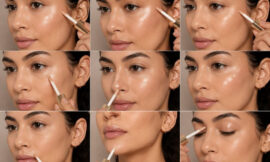
- Blend with your ring finger because the warmth of your skin melts the product into place.
- Avoid baking your under-eye area with powder; instead, use a tiny fluff brush with a light dusting of translucent powder only where you crease.
Rethinking Your Setting Powder Strategy
You do not have to throw your setting powder away completely, but you do need to use it with caution. In July, you might dust powder all over your face to stay matte. In January, that technique will make your face look dusty.
Where to Apply Powder
Only put powder where you absolutely need it. This usually means your T-zone, which includes your forehead, the bridge of your nose, and your chin. Leave your cheeks completely powder-free so they keep their natural, healthy reflection.
Choosing the Right Formula
Look for finely-milled, loose translucent powders that contain hydrating ingredients like hyaluronic acid. Avoid powders that contain high amounts of talc or kaolin clay, as these are meant to dry out oily skin types. A light tap of a fluffy brush is all you need.
Moving from Powder Bronzer to Cream Contour
Sun-kissed skin is a summer staple, but a heavy bronze look can feel out of place in the middle of winter. Your natural skin-tone drops a shade or two when you spend less time outdoors, so your summer bronzer might look too orange or dark.
The Cream Difference
Cream bronzers and contour sticks blend seamlessly into skin, mimicking a natural shadow rather than sitting like a layer of brown dirt. They give a soft-focus warmth that looks like you just stepped inside from a brisk walk.
Placement for Winter Shape
Instead of swirling bronzer all over your forehead and cheeks, be more precise. Place your cream bronzer high on your cheekbones and blend upward toward your hairline. Choose a cooler, ash-brown tone for contouring to mimic the natural shadows of your bone structure, keeping your face looking lifted and defined.
Changing Your Blush from Bright to Deep
Blush is the quickest way to bring life back to a dull winter face. While summer is all about bright corals, neon pinks, and juicy peaches, winter calls for richer, moodier tones that match the season.
Summer Blush Style: Light, bright, sun-kissed peaches and warm corals
Winter Blush Style: Rich berries, deep plums, mauve, and soft terracotta
The Cold Girl Aesthetic
Think about the natural flush your cheeks get when you walk outside in the winter wind. That is the look you want to achieve. Colors like berry, soft mauve, and deep rose look stunning against winter skin.
Why Cream Formulas Win Again
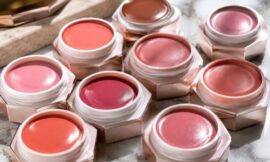
Just like your bronzer, cream and liquid blushes are superior in cold weather. They melt into your foundation rather than floating on top of dry skin cells. You can apply them with your fingers or a stippling brush for a gorgeous wash of color that looks like it is coming from within.
Eye Makeup Tones for the Frosty Months
Your eyeshadow palette can completely change the vibe of your makeup look. Summer calls for bright shimmers, gold tones, and playful pops of color. Winter is the perfect time to embrace cozy, matte textures and rich shades.
Earthy and Jewel Tones
Bring out the rich browns, deep taupes, warm burgundies, and forest greens. Soft matte shades look incredibly sophisticated in cold weather. You can create a simple everyday look by sweeping a soft brown shadow across your lid and blending it into the crease.
Swapping Liners and Mascaras
If you find that your eyes water from the cold winter wind, it is time to switch to waterproof formulas. A watering eye can quickly ruin a perfect wing or cause your mascara to smudge under your eyes. Swap your harsh black eyeliner for a rich espresso brown for a softer, warmer look that flatters pale winter skin.
Saving Your Lips from Winter Flaking
Your lips do not have skin glands to keep them oily, which is why they are usually the first thing to chap and crack when winter hits. Liquid matte lipsticks should be locked away until spring, as they will accentuate every single line and dry flake on your mouth.
Prep Your Lips
Before applying any color, use a wet washcloth or a gentle sugar scrub to rub away dead skin. Follow up immediately with a thick lip mask or balm to lock in moisture while you do the rest of your face makeup.
Choosing Your Winter Lip Products
- Tinted Lip Oils: These give a high shine like a gloss but nourish your lips with deep moisture.
- Satin Lipsticks: These provide full color while keeping a creamy, comfortable texture on the lips.
- Lip Stains: Perfect if you hate the feeling of thick products but want a long-lasting berry tint.
- Tinted Balms: Great for everyday wear when you just want a hint of color and maximum hydration.
Sunscreen is Mandatory All Year Long
One of the biggest mistakes people make is putting their sunscreen away after Labor Day. It is easy to think that because the sun is not burning hot, it cannot damage your skin. This is completely false.
The sun emits two types of rays: UVA and UVB. UVB rays cause sunburns and are stronger in the summer. UVA rays cause skin aging and are just as strong in the dead of winter as they are in June. They can even pass through clouds and glass windows. If there is snow on the ground, it acts like a giant mirror, reflecting the sun back onto your face and doubling your exposure. Stick to a daily sunscreen with at least thirty protection.
The Ultimate Product Swap Guide
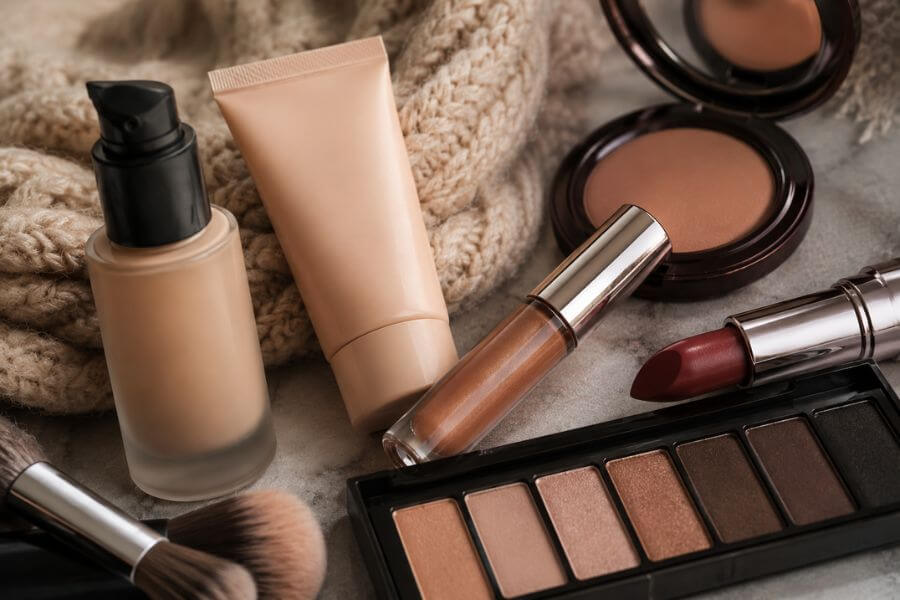
To make things simple, here is a quick guide to show you exactly which products to put away and what to buy for your cold-weather makeup bag.
| Summer Makeup Item | Winter Makeup Replacement |
| Matte gel primer | Hydrating oil-in-water primer |
| Powder foundation | Liquid serum foundation |
| Matte full-coverage concealer | Creamy hydrating concealer |
| Large powder bronzer | Cream contour stick |
| Neon pink powder blush | Deep berry cream blush |
| Gold shimmer eyeshadow | Matte brown and taupe eyeshadow |
| Ultra matte liquid lipstick | Tinted lip oil or satin lipstick |
| Mattifying setting spray | Dewy setting spray |
Application Tools Matter for Winter Textures
The tools you use to apply your makeup can change the finish of your products. In the summer, brushes are great for buffing in powder and keeping things light. In the winter, you want to use tools that do not disturb dry skin.
The Power of a Damp Sponge
A damp makeup sponge is your best friend in the winter. The water inside the sponge adds extra hydration to your foundation as you press it into your face. The bouncing motion pushes the makeup into your skin rather than micro-peeling dry skin cells the way a rough brush can.
Using Your Hands
Do not be afraid to use your clean fingers to apply your cream products. The natural heat from your hands warms up products like cream blush, bronzer, and concealer. This makes them extra soft and helps them melt right into your skin for a seamless look.
Setting Your Face Without Drying It Out
The final step in your makeup routine is making sure it stays in place all day. If you use a traditional oil-control setting spray, you might notice your face feels tight and looks flat by lunchtime.
Switch to a hydrating, misting spray that contains ingredients like rosewater, glycerin, or soothing aloe. These sprays do not just hold your makeup down; they melt all the layers together so your makeup looks like real skin. Keep a travel-size bottle in your bag to refresh your face and add moisture throughout the dry day.
Adjusting Your Makeup Shades for Winter Pale Skin
It is completely natural to lose your summer tan as the days get shorter. Trying to force your summer foundation color to work in December will leave you with a noticeable line along your jaw.
Find Your True Winter Shade
Get matched for a lighter foundation shade that fits your true skin tone. If you do not want to buy a whole new bottle, you can purchase a white foundation mixing pigment. Adding a tiny drop of white to your dark summer foundation allows you to custom-blend the perfect match as your skin gradually changes color throughout the year.
Keeping Your Makeup Brushes Clean in Winter
Dirty brushes carry bacteria, old oils, and dead skin cells. In the winter, when your skin barrier is already weak from the cold air, using dirty tools can lead to breakouts and redness.
Wash your brushes and sponges at least once a week using a gentle, fragrance-free soap or baby shampoo. Let them dry flat on a clean towel. Keeping your tools clean ensures that your hydrating cream products apply smoothly without streaking or clumping up on your skin.
Frequently Asked Questions
Can I still use my summer foundation if I mix it with moisturizer?
Yes, you can absolutely do this. Mixing a heavy, matte summer foundation with a drop of your favorite winter moisturizer is a smart way to create a homemade tinted cream. It lowers the coverage but adds the much-needed hydration your skin craves in the cold weather.
Why does my makeup look so flaky around my nose in the winter?
The skin around your nose is very thin and gets irritated easily, especially if you are blowing your nose from a cold. Dry air makes this spot flake fast. To fix it, apply an extra layer of thick moisturizer or a tiny dab of skin balm to that area before putting on your primer.
Should I change my makeup routine if I have oily skin in the winter?
Even if your skin is naturally oily, the winter air will still affect it. You might not need ultra-thick creams, but you should still swap harsh matte products for satin finishes. Often, oily skin produces even more oil when it gets dehydrated, so adding hydration can actually calm your skin down.
Is cream blush good for skin that breaks out easily?
Yes, as long as you choose formulas that are non-comedogenic, which means they will not clog your pores. Look for oil-free cream blushes or formulas made with lightweight bases like water and glycerin rather than heavy mineral oils.
How do I stop my mascara from smudging when my eyes water in the cold?
The best solution is to use a waterproof formula on both your top and bottom lashes. If you hate taking off waterproof mascara, you can apply your normal favorite mascara first, and then add a single top-coat of a clear waterproof gel to seal it against moisture.