Have you ever wished you could wake up with your brows already shaped, your eyeliner perfectly straight, and your lips glowing with a healthy splash of color? You are definitely not alone. Millions of people are trading their heavy makeup bags for semi-permanent and permanent makeup solutions.
This deep-dive guide explores how modern technology turns standard beauty routines into long-lasting confidence. We look at everything from microblading to lip blushing, giving you the facts you need to see if these treatments match your lifestyle.
Key Takeaways
Before jumping into the fine details, here is a quick look at the most critical facts about modern cosmetic tattooing:
- Time-Saving Results: These treatments shave off precious minutes from your daily morning routine, giving you back hours over the course of a year.
- Artistry Meets Tech: Today’s methods use advanced, gentle tools and iron-oxide pigments that fade softly over time, preventing the harsh look of old-school tattoos.
- Custom Design: Every single treatment is custom-built to match your unique bone structure, skin tone, and personal style goals.
- Investment View: While the upfront cost is higher than buying a tube of lipstick, the long-term savings on high-end makeup products can balance out the budget.
- Heal Process: Your skin needs a few weeks to show the true color, meaning patience and clean care after your appointment are vital for the best finish.
What is Modern Long-Wear Makeup?
To understand why these beauty treatments are taking over the world, we have to look at what they actually are. In the past, cosmetic tattoos looked a bit like permanent ink markers. They often turned blue-green or strange shades of red as they aged.
Today, things are completely different. Specialists use lightweight pigments rather than heavy tattoo inks. Pigments are made to stay true to color and fade away naturally after one to three years.
This shifting nature is actually a massive benefit. As your face matures and style trends change, your look can adapt with you. You are never locked into one specific trend forever.
The process uses tiny, microscopic needles to place these pigments just beneath the very surface layer of your skin. Because the depth is shallow, the skin heals beautifully and keeps a soft, watercolor-like appearance.
The Science of Pigments
Regular body tattoos use carbon-based inks that go deep into the third layer of the skin. Cosmetic pigments use mineral or iron-oxide bases. Your body naturally breaks these minerals down over many months.
This means your body safely absorbs and clears the pigment over time. It keeps your face looking fresh rather than muddy or heavy.
Skin Depth Differences
Your skin has multiple layers. The very top layer is the epidermis. This is the part that sheds and grows back constantly. Body tattoos go deep into the dermis. Modern permanent makeup sits right at the border where the epidermis meets the upper dermis.
This exact sweet spot allows the color to stay visible for a long time without becoming a permanent fixture on your face for life.
Why the Trend is Exploding Everywhere
Social media, busy work schedules, and a collective push toward low-maintenance living have created the perfect storm for this industry. People want to look put-together during video calls, gym sessions, and early mornings without spending thirty minutes in front of a mirror.
The Rise of the Natural Look
For a long time, the beauty industry pushed heavy foundations, dramatic contouring, and layers of powder. Now, the world loves the clean-face look. Permanent treatments let you skip the heavy products while still highlighting your favorite features. It feels like your natural face, just on its best day.
Active Lifestyles and Busy Days
If you love swimming, running, or hot yoga, you know the struggle of melting makeup. With semi-permanent options, your brows and eyeliner stay locked in place no matter how much you sweat or swim. For busy students and professionals, saving twenty minutes every morning means more sleep or a less rushed start to the day.
The Microblading Movement for Brows
Eyebrows frame your face and give you expression. It is no wonder that eyebrow treatments were the first to spark this massive beauty shift. Microblading is a specialized technique that creates the illusion of real hair.
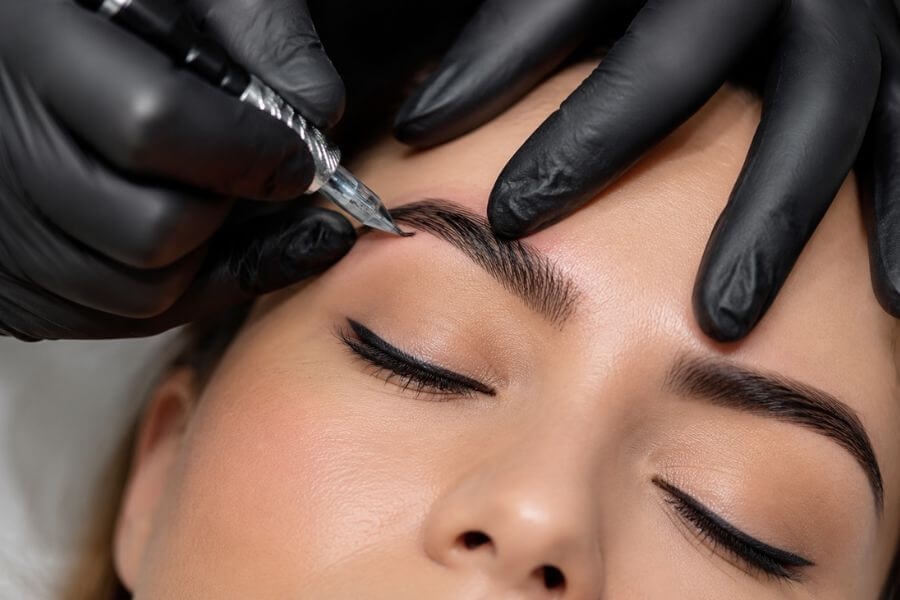
Instead of using a traditional machine, an artist uses a small handheld tool with a row of tiny needles. They draw individual, super-fine cuts that look exactly like natural brow hairs. The artist then presses pigment into these fresh lines.
Is Microblading Right for You?
This option works wonders for people with thin brows, patches, or hair loss. However, skin type plays a huge role. If you have very oily skin, the oils can cause the crisp hair strokes to blur slightly over time.
The Microblading Experience
When you sit down for your session, the specialist spends a long time measuring your face. They use special rules and strings to find your perfect shape based on your bone structure. Once you approve the shape, they apply a cooling cream to keep you comfortable before starting the actual microblading strokes.
Powder Brows and Ombre Effects
If microblading creates fine lines, powder brows create a soft, shaded look. This technique uses a digital machine that creates thousands of tiny dots of pigment in the skin.
The result looks like you applied a soft brow powder or pencil. It is a fantastic option for anyone who wants a more filled-in, makeup-ready appearance.
The Ombre Gradient Style
A popular twist on this method is the ombre brow. The artist keeps the front of the brow soft and light, while making the tail end darker and sharper. This creates a gorgeous, three-dimensional effect that looks beautifully realistic.
Skin Type Benefits
Unlike microblading, the powder method works beautifully on almost all skin types, including very oily or mature skin. The dots sit evenly in the tissue, making the pigment stay put for a longer period.
Digital Microshading Explained
Sometimes, your brows need a mix of both worlds. That is where microshading comes into play. An artist might draw crisp hair strokes at the very front of your brow where hair is naturally sparse, then switch to soft shading through the body and tail.
Combining Two Techniques
This hybrid approach gives you the ultimate custom look. It adds texture where you need it and depth where your natural hair is thin. It is highly requested because it solves multiple brow issues at the same time.
Longevity of Shaded Brows
Because shading uses a machine to place pigment uniformly, it often lasts a bit longer than standalone microblading. You might get up to two or three years of beautiful wear before needing a color refresh.
The Secret to Perfect Eyeliner Every Day
Applying eyeliner can be incredibly frustrating. One eye looks perfect, while the other turns out thick and crooked. Permanent eyeliner solves this daily puzzle by tattooing a precise line right along your lash pattern.
You can choose a very thin line that simply makes your eyelashes look thicker, or you can go for a bolder style like a classic cat-eye wing.
Lash Enhancement vs Full Eyeliner
A lash enhancement is the most subtle option available. The pigment stays strictly inside the rows of your natural eyelashes. It does not look like a thick line of makeup; instead, it makes your eyes pop and look bright. Full eyeliner goes above the lash line and can include custom shapes and wings.
Managing Eye Sensitivity
Many people worry about needles near their eyes. Artists use specialized, fast-acting numbing gels specifically formulated for this delicate area. Most people report feeling a strange tickling or vibrating sensation rather than actual discomfort.
Lip Blushing for Soft Fullness
Lip blushing is a massive upgrade from the old, dark lip liners of the nineties. This technique infuses your lips with a soft, sheer layer of healthy color. It can correct uneven edges, add a youthful flush, and create the illusion of fuller lips without using dermal fillers.
Choosing Your Custom Lip Shade
You do not have to choose a bright red or dramatic pink. Most artists help you select a custom nude or soft rose tone that mimics your natural lip color when it is hydrated. It gives you a beautiful base that looks great alone or under a simple clear gloss.
How Lip Blushing Alters Shape
As we grow older, our lips tend to lose their natural color around the borders, making them look smaller than they actually are. By carefully depositing pigment back into these faded borders, the artist restores your natural shape and gives a beautiful symmetry to your smile.
The Process Step-by-Step
Walking into a studio for the first time can feel a bit intimidating if you do not know what to expect. While each specific feature requires different movements, the overall journey follows a very standard, safe path.
The initial Consultation
Every great treatment starts with a deep conversation. You sit down with your artist to talk about your goals, your daily makeup style, and your medical history. You can bring pictures of looks you love to help guide the plan.
Mapping out the Blueprint
Next comes the mapping phase. The artist draws the exact shape onto your skin using a removable pencil. This is your chance to look in the mirror, ask for changes, and ensure you absolutely love the placement before any permanent work begins.
The Tattoo Application
Once you give the green light on the shape, the numbing process starts. After your skin feels comfortable, the artist carefully applies the pigment using their specialized tools. They work in clean, careful sections to ensure total precision.
| Stage | What Happens | Average Time Taken |
| Consultation | Discussing goals, choosing custom colors, checking skin health | 20-30 Minutes |
| Face Mapping | Precise measuring and drawing the design blueprint with pencil | 30-45 Minutes |
| Numbing | Applying topical cream to maximize skin comfort | 20-30 Minutes |
| Tattooing | Precise pigment placement into the upper skin layers | 60-90 Minutes |
| Post-Care Talk | Reviewing cleaning steps and giving protective balms | 15 Minutes |
Understanding the Healing Journey
When you leave the studio, your new makeup will look very bright, sharp, and dark. Do not panic! This is a completely normal part of the process. Your skin needs time to heal and protect the new pigment.
The First Week Changes
Over the first seven days, the treated area will dry out and may flake or peel slightly. It is crucial that you never pick or scratch at these tiny flakes. Pulling them off early can accidentally pull the pigment right out of your skin, leaving blank patches.
The Ghosting Phase
Around week two or three, you might experience what artists call the ghosting phase. The flaking stops, and the color suddenly looks incredibly light or almost invisible. This happens because new skin cells grow over the pigment. As those cells settle, the true color rises back to the surface by week four.
The Essential Touch-Up Appointment
Permanent makeup is almost always a two-step process. Your initial session lays down the foundation, but your body’s immune system will naturally try to clean away some of the new pigment during the healing weeks.
Setting the Final Look
Your follow-up appointment happens about six to eight weeks after your first visit. During this short session, your artist looks at how your skin held the color. They fill in any light spots, adjust the warmth of the tone, and perfect the edges to ensure your look lasts for years.
Why Skipping It Limits Results
If you skip your touch-up, your permanent makeup will likely fade much quicker than expected. This second layer acts like a protective seal that locks in the depth and design for the long haul.
Comparing Your Long-Wear Makeup Options
To help you decide which treatment fits your face and beauty goals best, it helps to see them side-by-side. Every option has its own lifetime and ideal candidate.
| Treatment Area | Specific Method | Best For Which Skin Type | How Long It Lasts |
| Eyebrows | Microblading | Normal to dry skin types | 12-18 Months |
| Eyebrows | Powder Shading | All types, including oily skin | 2-3 Years |
| Eyebrows | Hybrid Combo | Normal, dry, and combination skin | 18-24 Months |
| Eyes | Lash Enhancement | All skin types and eye shapes | 2-5 Years |
| Eyes | Full Winged Liner | Firm, smooth skin around eyes | 2-4 Years |
| Lips | Lip Blushing | All skin types and natural lip tones | 2-3 Years |
Safety, Sanitization, and Choosing Your Artist
Because these procedures break the skin, safety must be your top priority. You should treat picking a permanent makeup artist the same way you would treat choosing a doctor or a medical professional.
Licensing and Certifications
A reputable artist will proudly display their bloodborne pathogens certificate and their official body art license from the local health department. These papers prove they know how to prevent infections and keep their workspace sterile.
Checking the Studio Space
When you walk into a beauty studio, look around carefully. Every needle must be a single-use item that comes out of a sealed, sterile package right in front of your eyes. The artist should wear fresh gloves and use protective barriers on all their machines and lights.
Preparing for Your Big Appointment
To get the absolute best results, your skin needs to be in top condition before your session. Following a few simple steps in the days leading up to your visit makes a massive difference in how your skin behaves.
Avoiding Blood Thinners
For forty-eight hours before your appointment, stay away from alcohol, caffeine, and over-the-counter pain relievers like ibuprofen. These items thin your blood. If you bleed during the process, it pushes the pigment out of the skin, making the artist’s work much harder.
Sun Protection and Hydration
Make sure your face is completely free of sunburns. Sun-damaged skin cannot hold pigment properly and heals poorly. If you are getting a lip treatment, drink plenty of water and apply lip balm for a week beforehand to ensure your lips are smooth and free of dry flakes.
Daily Aftercare Rules to Live By
How you care for your healing skin at home determines about fifty percent of your final result. Think of your new permanent makeup as an investment that you need to guard carefully.
Keep It Clean and Dry
For the first few days, you need to keep the area clean using a very gentle, fragrance-free soap. Gently pat the area dry with a clean paper towel. Depending on your artist’s philosophy, you will either practice dry healing or apply a tiny, rice-grain size amount of protective balm.
Things to Avoid Completely
While your skin is healing, stay away from swimming pools, hot tubs, heavy sweating at the gym, and direct sunlight. Keep your regular makeup, facial scrubs, and anti-aging creams away from the treated area until it is completely closed and healed.
Longevity and How to Maintain Your Look
While these treatments are long-lasting, they do require a tiny bit of ongoing care to keep them looking sharp and vibrant over the years.
The Power of Sunscreen
Ultraviolet rays from the sun are the number one enemy of cosmetic pigments. The sun breaks down the pigment particles, causing them to fade rapidly or change tones. Once your skin is fully healed, always brush a layer of mineral sunscreen over your permanent makeup before heading outside.
Managing Active Skincare Products
If you love using chemical exfoliants like retinol, glycolic acid, or salicylic acid, be very mindful of where you apply them. These ingredients speed up your skin’s cell turnover rate. If you rub them directly onto your tattooed brows or lips, they will fade your beautiful color much faster.
The Cost vs Investment Analysis
There is no denying that permanent makeup comes with a premium price tag. Initial sessions can range significantly depending on your location and the fame of your chosen artist.
Shifting the Beauty Budget
When calculating the cost, look at what you spend on high-end brow pencils, gels, waterproof eyeliners, and designer lipsticks over a two-year period. Add in the value of the time you save every single morning. For many people, the freedom of waking up ready to go makes the cost incredibly worth it.
Beware of Discount Deals
When it comes to your face, never look for the cheapest option. Low prices often mean the artist is inexperienced, uses cheap pigments, or skips critical safety steps. Investing in a skilled professional keeps you safe and ensures you get a look you love.
Frequently Asked Questions
Does permanent makeup hurt?
Most people find the process surprisingly comfortable. Artists use strong, topical numbing creams containing lidocaine before and during the treatment. You might feel a light scratching or vibrating sensation, but it is generally much less intense than a standard body tattoo.
How long does semi-permanent makeup actually last?
Depending on the specific area and your lifestyle, it generally lasts between one and three years. Eyebrows fade the fastest because they are constantly exposed to the sun and face washes. Eyeliner lasts the longest, sometimes staying visible for up to five years before needing a color boost.
Can I still wear regular makeup over my treated areas?
Yes! Once your skin is completely healed, you can easily apply regular makeup right over your treatments. If you want a more dramatic look for a night out, you can add dark liner or a bright lipstick over your faded base, then wash it off to reveal your daytime look underneath.
What happens if I do not like the final results?
Because these pigments are semi-permanent, they will naturally fade away on their own over time if you choose not to get touch-up visits. If you need a fast correction, special saline removal treatments or specific cosmetic lasers can safely break down and remove the pigment early.
Can anyone get these treatments done safely?
While most people are excellent candidates, certain conditions mean you should avoid or delay these procedures. If you are pregnant, nursing, taking blood-thinning prescription medications, or dealing with active skin issues like eczema directly on the treatment zone, it is best to wait.
Will microblading damage my natural eyebrow hairs?
When performed correctly by a trained professional, the cuts are very shallow and do not reach your hair follicles. Your natural brow hairs will continue to grow exactly like they did before your appointment.