Key Takeaways
Your hair reflects how you treat the soil it grows in. Scalp skinification means giving your head the same high-quality care, hydration, and nutrition you give your face. By switching from harsh styling habits to protective, root-focused routines, you block early shedding and keep your strands thick, strong, and youthful for your entire life.
The New Era of Hair Care
Imagine looking into the mirror and realizing that your favorite shampoo does almost nothing for the part of your body that actually builds your hair. For decades, the beauty world told us to focus only on the strands we can see. We washed, coated, and styled the dead fibers hanging from our heads while completely ignoring the living tissue underneath.
The year 2026 marks a total shift in how we think about our manes. We are moving past temporary surface fixes and entering the age of hair longevity and scalp skinification.
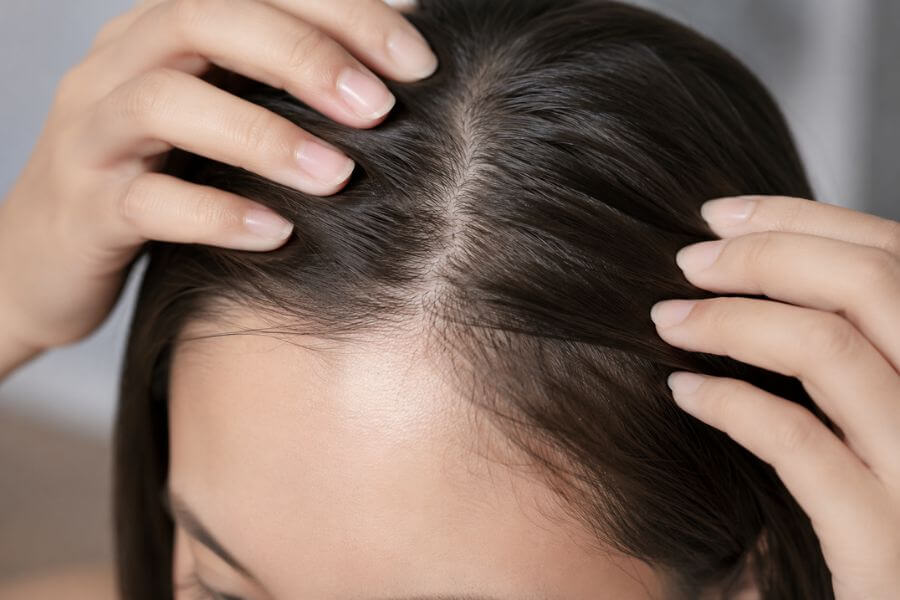
Skinification means treating your head exactly like you treat your face. Your scalp is living skin. It has a moisture shield, an immune defense system, and millions of tiny living organisms that keep it balanced. It also contains thousands of tiny tunnels called follicles, which work non-stop to construct every single strand of hair.
When you treat this area with the same high-performance care, gentle washing, and deep hydration that you give your face, your hair changes completely. It grows thicker, stays attached to your head longer, and resists the signs of aging.
Hair longevity is not about fixing damage after it happens. It is a proactive, protection-first plan to extend the natural lifespan of your hair. Instead of relying on heavy silicone coatings that mask split ends for a few hours, you are protecting the biological health of the follicle itself.
The goal is to keep your hair-producing cells young, active, and thriving so your hair retains its natural bounce and fullness as the years roll by.
Why Your Scalp Is Just Skin
To truly master this new way of caring for your hair, you have to understand what makes your scalp so special. It shares the exact same basic structure as your facial skin, but it operates on a much bigger scale. Your scalp features twice as many oil glands as your face, ten times more hair follicles, and slightly thicker skin layers.
It faces constant stress from styling products, sweat, weather, and physical pulling.
The Moisture Shield
Just like your face, your scalp has a protective outer wall called the stratum corneum. This shield locks vital moisture inside your skin while blocking irritating particles, pollution, and bacteria from entering. When this shield functions perfectly, your scalp feels comfortable, calm, and completely flexible.
When you use harsh cleansers, wash with sizzling hot water, or scrub too hard, you tear holes in this protective wall. Essential moisture escapes, leaving your skin dry, tight, and prone to flaking.
Even worse, an injured shield allows external irritants to sink deep into your skin tissue. This triggers hidden inflammation around your roots, which can actually weaken their grip on your hair fibers and cause early shedding.
The Living Ecosystem
Your head plays host to a massive, invisible community of helpful bacteria and natural fungi known as the microbiome. This ecosystem acts as a built-in security team. The good microbes produce protective compounds that keep harmful organisms away and maintain a perfectly balanced skin environment.
When you use aggressive chemical cleansers or products packed with synthetic fragrance, you wipe out the good microbes. This creates a vacancy that troublesome fungi love to fill. An imbalanced ecosystem can lead to stubborn issues like sticky dandruff, constant itchiness, and extreme oil production.
A happy, balanced microbiome creates the calm, clean foundation that hair needs to grow without interruption.
The Science of Hair Longevity
Every strand of hair on your head operates on a strict biological clock. This clock controls the three phases of the hair growth cycle. To achieve real hair longevity, your entire routine must focus on supporting these phases and keeping your follicles active.
The journey of a single hair strand begins with the Anagen Phase, which represents active growth. Over time, the strand transitions into the Catagen Phase, which is a brief period of regression. Finally, it enters the Telogen Phase, where the hair rests and eventually sheds so that a new cycle can begin.
The Three Phases of Growth
- The Anagen Phase: This is the active growing period. Your hair follicles function like tiny factories, rapidly building the protein structures that form your hair shaft. This phase typically lasts anywhere from two to seven years, and it determines the maximum length your hair can physically achieve.
- The Catagen Phase: This short transition period lasts for about two to three weeks. The hair follicle shrinks slightly, cuts off the hair strand from its main blood supply, and takes a brief break from production.
- The Telogen Phase: This resting and shedding period lasts for roughly three to four months. The old hair strand sits quietly in the follicle until it eventually detaches and falls out, allowing a brand-new strand to begin the cycle all over again.
The Threat of Follicle Shrinking
As we age, or when our bodies experience high levels of stress, poor nutrition, and chronic scalp irritation, a dangerous process called follicle miniaturization can begin. During this process, the active growing phase becomes shorter and shorter, while the resting phase grows longer.
With each new cycle, the follicle itself shrinks in size. It loses its physical strength and starts producing much thinner, weaker, and shorter hair strands. Eventually, the follicle becomes so tiny that it can only produce a microscopic, invisible hair, or it stops growing hair altogether.
By prioritizing scalp skinification, you deliver the nutrients and circulation needed to resist this shrinking process, keeping your follicles robust and productive.
Decoding Your Scalp Type
You cannot build a successful skincare routine for your face without knowing your skin type, and the exact same rule applies to your head. Using the wrong products can quickly destabilize your scalp environment and damage your hair quality. Review the characteristics below to identify your specific type.
The Oily Scalp
An oily scalp produces an excess of natural oil, also known as sebum. If you have this type, your hair might look greasy, flat, and clumped together just a single day after washing. You might also notice a heavy, damp sensation on your skin or experience a specific type of large, yellowish, sticky flake that clings to your roots.
This oil buildup happens when your sebaceous glands go into overdrive. It can be triggered by hormonal shifts, humid weather, or using stripping shampoos that trick your skin into producing even more oil to replace what was lost.
Your main goal is to regulate oil production without drying out your skin barrier.
The Dry and Flaky Scalp
A dry scalp lacks proper moisture and oil, leaving the skin feeling tight, itchy, and parched. This type often produces small, white, powdery flakes that drop easily onto your shoulders when you brush your hair. Your hair lengths will likely feel coarse, rough, and prone to static electricity.
This dryness usually stems from cold weather, dry indoor heating, washing too frequently, or using products with harsh alcohol bases. Your routine must focus entirely on flooding the skin with lightweight hydration and locking it in with soothing oils.
The Sensitive and Irritated Scalp
A sensitive scalp reacts quickly to changes in products, weather, or stress. You might experience frequent redness, sudden burning sensations, or a persistent, nagging itch. This type is highly prone to product breakouts and can feel tender to the touch, especially after you style your hair or change your parting.
This sensitivity means your protective skin shield is compromised, leaving your nerve endings exposed to the environment. Your focus should be on ultra-gentle, fragrance-free products that calm inflammation and rebuild your skin wall.
The Balanced Scalp
The balanced scalp is the ultimate goal. It produces just the right amount of oil to keep your hair soft and shiny without looking greasy. Your skin feels comfortable, flexible, and completely free of redness, itching, or flaking.
If you have this type, your main task is simply to protect this perfect state and avoid over-complicating your routine.
| Scalp Type | Primary Signs | Main Care Goal | Key Avoidance |
| Oily | Heavy grease, flat roots, sticky flakes | Balance oil production | Heavy silicones and rich oils |
| Dry | Tightness, white dust, rough strands | Flood skin with moisture | Stripping alcohols and hot water |
| Sensitive | Redness, stinging, constant itching | Calm skin inflammation | Synthetic perfumes and scrubs |
| Balanced | Total comfort, soft shine, zero flakes | Maintain current health | Over-washing and product overload |
Skincare Actives for Hair Health
The biggest revolution in 2026 hair care is the arrival of face-grade active ingredients in modern scalp formulas. These compounds travel deep into the skin layers to fix issues at the biological source.
Peptides for Structural Support
Peptides are short chains of amino acids that serve as the building blocks for vital skin proteins like collagen and elastin. When applied directly to your scalp, specialized signal peptides communicate directly with your hair-producing cells.
They encourage the follicle to increase its size, strengthen its cellular structure, and remain in the active growing phase for a longer period of time. This helps reduce early shedding and noticeably increases your overall hair density over time.
Niacinamide for Barrier Repair
Niacinamide, also known as vitamin B3, is a true multitasking hero for your scalp skin. It works hard to stimulate the natural production of ceramides, which act as the glue holding your skin shield together.
By repairing a broken barrier, niacinamide helps your skin retain critical moisture and blocks irritating substances from causing trouble. It also offers excellent anti-inflammatory benefits, calming redness and normalizing oil production in overactive glands.
Hyaluronic Acid for Deep Hydration
Hyaluronic acid is a powerful moisture magnet that can hold up to one thousand times its own weight in water. While heavy oils simply sit on top of your hair strands, hyaluronic acid draws moisture deep into the living layers of your scalp skin.
It plumps up dry skin cells, eliminates that tight, dehydrated feeling, and provides weightless hydration that never leaves your roots looking flat or greasy.
Salicylic Acid for Weightless Exfoliation
Salicylic acid is an oil-soluble beta-hydroxy acid, which means it has the unique ability to slice through thick surface oil and dive deep inside your pores. It gently dissolves the sticky mixture of dead skin cells and hardened sebum that can block your hair follicles.
By keeping the follicle openings clear, salicylic acid prevents small bumps, stops greasy flaking, and ensures your roots can grow freely without obstruction.
Caffeine for Circulation Boosts
Caffeine is a potent natural energizer that can easily penetrate through your skin barrier. Once inside, it works to temporarily expand your tiny blood vessels, dramatically boosting blood flow to your hair roots.
This increased circulation delivers a massive wave of fresh oxygen and vital nutrients directly to your follicles, giving them the cellular energy they need to construct thick, high-quality hair fibers.
Building Your Scalp Routine
Transitioning to a scalp-first lifestyle does not mean adding twenty complicated steps to your busy mornings. It means replacing your old, aggressive habits with a mindful, structured routine that respects your skin biology.
Step 1: Pre-Wash Detoxing
Before you step into the shower, you need to prepare your scalp by loosening up weekly buildup. Avoid harsh, gritty physical scrubs that feature jagged pieces of nut shells or volcanic rock, as these create microscopic tears in your skin shield. Instead, choose a modern liquid exfoliating serum packed with gentle fruit enzymes or mild alpha-hydroxy acids.
Apply a few drops of the liquid directly onto your dry scalp, dividing your hair into neat sections to ensure total coverage. Use your soft fingertips to glide the fluid across your skin.
Let the serum sit quietly for ten minutes to naturally dissolve styling buildup, hard-water minerals, and dead skin cells.
Step 2: Mindful Cleansing
When it is time to wash, turn down the shower temperature to a comfortable, lukewarm setting. High heat strips away your protective skin lipids, leaving your scalp vulnerable and dry. Pour a small amount of a sulfate-free, microbiome-safe shampoo into your palms and rub your hands together to create a soft lather before touching your head.
Focus your cleansing efforts exclusively on your scalp skin. Avoid piling all your hair on top of your head and scrubbing the lengths, as this creates intense friction and lifts your hair cuticles.
Gently work the lather into your roots using flat, circular motions with your finger pads. As you rinse, the soap will naturally slide down your strands, cleaning the lengths perfectly without drying them out.
Step 3: Targeted Hydration
After rinsing your shampoo, squeeze excess water out of your hair using a soft microfiber towel. Apply your traditional conditioner solely from the mid-lengths down to your ends to keep your strands supple and tangle-free.
Next, apply a lightweight, water-based scalp serum directly onto your clean, damp skin.
Look for a leave-in serum that features daily barrier helpers like niacinamide, panthenol, and hyaluronic acid. These ingredients will sink straight into your open skin pores, locking in deep moisture and calming any post-wash reactivity without leaving a trace of heavy residue behind.
Step 4: Protective Drying
Treat your wet hair with extreme care, as water temporarily weakens the internal protein bonds of your strands, making them highly stretchable and fragile. Avoid rubbing your head roughly with a heavy cotton towel. Instead, wrap your hair loosely in a smooth microfiber cloth or an old cotton shirt to blot out moisture.
When using a blow-dryer, always apply a lightweight thermal protection spray across your roots and lengths first. Keep the dryer setting on low or medium heat, and hold the nozzle at least eight inches away from your scalp.
Moving the dryer constantly prevents heat from concentrating on one spot, protecting both your delicate skin shield and your hair proteins from thermal damage.
Advanced Scalp Massage Methods
A daily scalp massage is one of the most powerful, cost-free tools you can use to boost hair longevity. It stretches the mechanical cells inside your hair follicles, which triggers them to grow thicker, sturdier hair strands. It also provides an instant rush of nutrient-dense blood to your roots.
The Fingertip Pressure Method
Sit comfortably in a chair with your spine straight and your shoulders completely relaxed. Place the pads of all ten fingers firmly onto your scalp, spacing them out across your hairline.
Apply a steady, medium pressure so that you are actually moving the scalp skin over your skull bone, rather than just sliding your fingers over your hair.
Move your fingers in small, slow circles for two minutes, gradually working your way from your front hairline down to the back of your neck. Focus extra time on the crown of your head and the areas right above your ears, as these spots tend to hold onto intense muscular tension.
The Pinch and Release Method
Place your hands on the sides of your head, forming a wide shape with your thumbs and fingers. Gently press the skin together between your palms to create a soft lifting or pinching sensation across your scalp tissue. Hold this position for three seconds, then slowly release your grip.
Move your hands to a new spot and repeat the motion. This specific technique helps break up microscopic tightness in your connective tissue, opening up blocked pathways so blood and oxygen can flow down to your deepest hair roots without any restriction.
Environmental Protection Tactics
Your hair and scalp face non-stop attacks from the surrounding world every time you step outside. Protecting them from these daily elements is a major pillar of long-term hair health.
Defending Against Hard-Water Minerals
Many homes feature hard water, which contains high amounts of minerals like calcium, magnesium, and heavy iron. Every time you shower, these minerals attach themselves to your scalp like an invisible layer of crust, blocking moisture from entering and causing your hair to feel stiff, dry, and incredibly brittle.
To protect your head, attach a specialized chelating filter directly onto your shower head. This device captures mineral ions before they can touch your skin.
Additionally, incorporate a mild chelating shampoo into your routine once every two weeks to gently dissolve any stubborn mineral buildup and restore softness to your roots.
Blocking UV Ray Damage
The sun’s ultraviolet rays are just as damaging to your scalp as they are to your face. Prolonged sun exposure creates oxidative stress inside your skin, which releases unstable molecules called free radicals. These molecules attack your hair-producing cells, damage your skin collagen, and can actually force your hair follicles to drop out of the growth phase early.
It is important to understand that the crown of your head and your hair parting line are parts of your skin that receive direct, intense sunlight throughout the day. When you spend extended time outdoors, always protect your parting by wearing a tightly woven hat or applying a modern, non-greasy scalp mist that contains lightweight antioxidants like green tea extract and vitamin E. These compounds neutralize free radicals on contact, keeping your skin safe and youthful.
Neutralizing Urban Air Pollution
If you live or work in a busy city, the air around you is filled with tiny particles of dust, soot, and smoke. These microscopic pollution particles are small enough to slide right into your hair follicles, where they trigger chemical stress and cause painful scalp irritation, clogged pores, and a dull hair texture.
Protect your scalp by applying a lightweight, leave-in barrier serum that creates an invisible shield over your skin surface. At the end of a busy week, make sure to use a gentle, enzyme-based clarifying wash to completely rinse away those invisible urban particles before they can cause deep tissue irritation.
Nutrition and Lifestyle for Hair Longevity
No matter how many expensive serums you apply to your skin, your hair follicles cannot construct healthy strands if they lack the internal raw materials to do the job. Hair longevity requires a balanced internal approach.
Eating for Your Hair Follicles
Your hair is made almost entirely of a tough, fibrous protein called keratin. To keep production running smoothly, your diet must include an adequate amount of clean, high-quality proteins like eggs, wild fish, lentils, and lean meats. Your body also requires a steady supply of complex iron to transport fresh oxygen straight to your hair roots.
Incorporate plenty of healthy fats into your daily meals, such as avocados, walnuts, and chia seeds. These foods deliver essential omega fatty acids that nourish your skin cells from the inside out, keeping your scalp moisture shield soft, flexible, and completely lubricated.
Managing Your Stress Hormones
When you experience prolonged mental or physical stress, your body releases a surge of a powerful hormone called cortisol. This hormone acts like an emergency brake on your hair biology. It signals your active follicles to prematurely stop growing and rush directly into the resting and shedding phase all at the same time.
This can lead to a condition called telogen effluvium, where you experience a massive wave of hair shedding a few months after a stressful life event.
Protect your hair longevity by building simple stress-relief habits into your day, such as a ten-minute walk in nature, gentle breathing exercises, or ensuring you get eight hours of deep, uninterrupted sleep every single night.
Common Scalp Mistakes to Avoid
Sometimes, the best way to improve your hair health is simply to stop doing the hidden habits that are secretly sabotaging your progress. Check your current daily routine against these frequent mistakes.
Over-Using Heavy Dry Shampoos
While dry shampoo is incredibly convenient for busy mornings, relying on it too heavily can destroy your scalp health. Traditional dry shampoos use heavy starches and clays to soak up surface oil. When left on the skin for days, these powders mix with your natural sweat and oil, creating a thick, concrete-like paste that suffocates your hair follicles.
This intense blockage can cause painful breakouts, deep inflammation, and can eventually lead to localized hair thinning. Restrict your dry shampoo use to just one day between wet washes, and always make sure to give your scalp a thorough, double-cleansing rinse immediately the next day.
Leaving the Scalp Wet for Hours
Many people prefer to let their hair air-dry completely to avoid heat damage, but letting a thick mass of wet hair sit against your scalp for hours creates an ideal breeding ground for problems. The human scalp is naturally warm, and when you trap water against it, you create a humid environment that allows natural fungi to multiply out of control.
This fungal overgrowth can trigger sudden flaking, intense itching, and a sour odor. If you have thick or long hair, use a blow-dryer on a completely cool, low setting to dry just your roots immediately after washing, leaving the long ends to air-dry safely on their own.
Applying Heavy Hair Oils Improperly
Applying rich, heavy oils like coconut or castor oil directly onto a dry, congested scalp is a recipe for irritation. These dense oils have a large molecular size that cannot easily penetrate into your skin. Instead, they sit on the surface, trapping dirt, dead skin cells, and bacteria underneath them while blocking your pores.
If you want to use natural oils, choose lightweight, non-comedogenic options like jojoba or squalane, which perfectly mimic your skin’s natural oil structure. Apply just a few drops to a clean, slightly damp scalp, or use them strictly as a pre-wash treatment that you rinse away completely with shampoo after twenty minutes.
Frequently Asked Questions
What is the main difference between traditional hair care and scalp skinification?
Traditional hair care focuses entirely on altering the cosmetic appearance of the dead hair fiber after it has already grown out of your head. It uses coatings like silicones to temporarily smooth down rough cuticles.
Scalp skinification treats the scalp as an extension of your facial skin, focusing on barrier health, hydration, and follicle nutrition to ensure that the hair grows out stronger, thicker, and healthier from the very beginning.
How long does it take to see real results from a scalp-first routine?
Because hair grows at an average rate of just half an inch per month, you need to practice patience. You will likely feel an immediate improvement in scalp comfort, less itching, and balanced oil production within the first two to three weeks.
Visible changes in hair thickness, reduced shedding, and overall volume will typically take anywhere from three to six months of consistent care to show up on your head.
Can a damaged hair follicle be restored with proper scalp care?
As long as the hair follicle is still alive and has not been replaced by smooth scar tissue, you can absolutely revitalize it. By removing heavy product buildup, calming skin inflammation, and increasing nutrient-rich blood flow through targeted massage and active ingredients, you can encourage a dormant or shrinking follicle to grow healthy hair again.
Should I wash my hair every single day if I have an oily scalp?
Washing every day with harsh shampoos can actually trigger an oily feedback loop, where your skin produces extra oil to replace what was stripped away. Try washing your hair every other day instead, using a very gentle, sulfate-free cleanser. On your off days, simply rinse your scalp with lukewarm water and massage it thoroughly with your fingertips to redistribute the natural oils.
Are physical scalp brushes safe to use on a sensitive scalp?
Silicone scalp massaging brushes are wonderful for boosting circulation, but they must be used with care. If you have a sensitive or highly irradiated scalp, avoid moving the brush in rough, scrubbing motions, as this can worsen skin redness and damage your barrier. Instead, gently press the soft silicone tips against your skin in one spot, vibrate it gently for a few seconds, lift it up completely, and move to the next area.