Key Takeaways
Before we dive into the world of scents, here is a quick look at why functional fragrances are taking over the world:
- Scents Do More Than Smell Good: Traditional perfumes just make you smell nice. Functional fragrances are designed to change how you feel, helping you relax, focus, or feel energized.
- The Brain Connection: Your nose connects directly to the emotional center of your brain. This is why a simple sniff can change your mood in less than a second.
- Wellness Is Growing: People want health routines that feel easy and fun. Spraying a scent takes zero extra time but offers huge rewards for your mind.
- Tech Meets Nature: Modern brands are using clean ingredients and smart science to prove exactly how different smell molecules affect your nervous system.
Imagine walking into a room and instantly feeling your stress melt away. You did not take a nap, meditate, or change your clothes. All you did was breathe in. This is the magic of olfactory wellness, and it is changing the way we think about perfume. Today, we are moving past scents that simply make us smell like flowers or wood. Instead, we are using functional fragrances. These are special scents scientifically made to shift your mood, boost your energy, or help you fall asleep. Let us look closely at why this exciting trend is taking over our lives.
What is Olfactory Wellness anyway?
To understand this trend, we need to look at the word olfactory. It is just a science word for your sense of smell. For a long time, people focused on wellness through food, exercise, and skin-care routines. But our noses were left out of the party. Now, we are realizing that what we breathe matters just as much as what we eat.
Olfactory wellness means using your sense of smell to care for your mind and body. It is all about choosing scents on purpose to create a better environment for yourself. Think of it as a workout or a spa day for your nose, but the benefits go deep into your brain.
How Traditional Perfumes Differ from Functional Fragrances
For hundreds of years, people bought perfume for two reasons. They wanted to smell attractive to others, and they wanted to hide body odors. These are traditional perfumes. They focus on fashion, status, and luxury.
Functional fragrances are totally different. They are not about what other people think of you. They are about how you feel inside. While a regular perfume might use cheap synthetic chemicals just to smell sweet, a functional fragrance uses specific active ingredients to trigger a physical response in your body.
A Fast Comparison
| Feature | Traditional Perfumes | Functional Fragrances |
| Primary Goal | Smelling good to others | Changing how you feel inside |
| Main Ingredients | Synthetic blends and alcohol | Natural plants and smart molecules |
| Target Area | Your social presence | Your nervous system |
| When to Use | Before going out | Anytime you need a mood shift |
The Science of the Sniff
You might wonder how a simple smell can change your mood so fast. The answer lies inside your head. Your sense of smell is the only one of your five senses that bypasses the normal filtering systems of the brain. It goes straight to the control center.
When you breathe in a scent, tiny odor molecules travel up your nose. They hit special hairs called receptors. These receptors send an instant electric signal to your limbic system. This is the oldest part of the human brain, and it handles your emotions, memories, and stress levels.
The Limbic System Connection
Because the signal goes straight to the limbic system, smells trigger feelings faster than sights or sounds. If you see an image of a stressful place, your brain takes time to process it. But if you smell something linked to safety, like warm vanilla or fresh pine, your body relaxes instantly. This direct connection is why functional scents work so beautifully.
Shifting Your Nervous System
Your body has two main modes: fight-or-flight mode and rest-and-digest mode. When you are stressed about school or work, you get stuck in fight-or-flight mode. Certain scent molecules, like those found in lavender or chamomile, tell your brain to slow your heart rate down. This coaxes your body back into a peaceful state without any pills or lifestyle changes.
Why the World Needs Mood Boosting Scents Right Now
Life has become faster than ever before. We are constantly looking at screens, answering alerts, and trying to keep up with friends online. This constant connection leaves our minds feeling tired and fried. People are desperate for ways to calm down, and they want solutions that fit into a busy day.
This is where functional fragrance fits perfectly. You do not need to sit still for an hour to get the benefits. You just spray it on your wrists or lift a bottle to your nose while you keep working. It is self-care made for the modern world.
The Rise of Stress and Fatigue
Younger people today face high levels of stress. Between school pressures, social media noise, and worrying about the future, our brains rarely get a break. People are realizing that traditional stress-relief methods can feel like extra chores. Buying a functional scent feels like a treat instead of work, making it highly popular.
Creating Personal Spaces at Home
Since people spend so much time indoors, creating a comforting home vibe is essential. We use light, sound, and now smell to define our spaces. A scent can transform a boring bedroom into a focused study hall or a cozy relaxation den in two seconds flat.
The Major Mood Categories of Functional Fragrances
Not all functional scents do the same thing. Perfume makers group these scents into different buckets based on what they do to your brain. Depending on your day, you might need to wake up, calm down, or get creative.
Scents for Deep Relaxation
When your mind is racing and you cannot sleep, you need soothing notes. These scents slow down your thoughts and relax your muscles.
- Lavender: The king of calm. It lowers blood pressure and readies your body for deep sleep.
- Chamomile: It smells like warm tea and coaxes your brain to stop worrying.
- Sandalwood: A rich, woody smell that grounds your emotions when you feel scattered.
Scents for High Energy and Focus
If you are waking up early or studying for a big test, you do not want to feel sleepy. You need scents that spark your brain cells and clear away mental fog.
- Peppermint: It actually increases oxygen flow to your brain, making you feel sharp and awake.
- Lemon and Grapefruit: Citrus smells act like a splash of cold water to your face, boosting happiness and alertness.
- Rosemary: Studies show rosemary helps your brain hold onto information better during study sessions.
Scents for Happiness and Comfort
Sometimes you just feel down or lonely. Certain scents act like a warm hug, lifting your spirits and making you feel safe.
- Vanilla: Reminds almost everyone of baked treats and happy childhood moments.
- Rose: A rich floral note that encourages feelings of self-love and gentleness.
- Bergamot: A special citrus fruit that calms anxiety while lifting your mood at the same time.
How Gen Z and Millennials Are Driving the Trend
Every major trend needs a group of people to push it forward. For olfactory wellness, that group is young adults and teenagers. This generation views health differently than their parents did. They see mental health and physical health as the exact same thing.
Young consumers love products that serve a clear purpose. They are moving away from celebrity perfumes that just look pretty on a shelf. They want products that actually improve their daily lives and show real results.
Clean Ingredients Matter
Young buyers care deeply about what goes into their products. They read labels and avoid harsh chemicals. Functional fragrance brands usually focus on clean, plant-based ingredients, which makes them a perfect match for conscious shoppers.
Aesthetic and Identity
Let us face it, functional fragrance bottles look cool. Brands design them with minimalistic styles and earthy colors that look great in room tours and online videos. Plus, choosing a scent based on your mental state feels very personal and unique.
The Technology Behind the Scents
This trend is not just about crushed flowers and old folklore. There is serious science happening in perfume labs around the world. Scientists are using brain scans to see exactly how scent molecules interact with human cells.
They use a technology called an fMRI machine to watch a person’s brain react in real time to a smell. If the part of the brain that handles stress goes dark when the person smells a specific wood note, scientists know they have found a winner.
Mapping the Brain
Brands are now creating patented scent complexes. These are special secret mixes of smell molecules that have been proven in clinical studies to lower stress markers like cortisol in your body. This scientific backing separates functional fragrance from regular aromatherapy.
Neuromorphic Design
Perfumers are now working alongside brain scientists. Together, they build scents note by note to target specific neural pathways. It is like coding a software program, but instead of using computer languages, they use natural smells to program your mood.
How to Build Your Own Scent Routine
Getting into olfactory wellness does not mean you have to spend a fortune or change your whole life. You can start by adding tiny scent moments to the things you already do every single day. Here is how a standard day can look when you use the power of smell.
Your Morning Routine
When your alarm goes off, avoid reaching for your phone first. Instead, spray a bright citrus or ginger mist near your bed. Take three deep breaths. The sharp notes will wake up your eyes and brain faster than a cup of coffee, setting a positive tone for the morning.
Your Study or Work Routine
When it is time to focus, clear your desk and light a rosemary or eucalyptus candle. Use this scent only when it is time to work. Over time, your brain will pair that smell with deep focus. The moment you light it, your mind will automatically know it is time to get down to business.
Your Night Routine
An hour before bed, turn off your bright overhead lights. Spray your pillow with a lavender and cedarwood mist. As you lie down, the scent will signal to your nervous system that the day is officially over, helping you drift off without tossing and turning.
A Daily Scent Schedule
| Time of Day | Desired Feeling | Best Scent Choice | How to Apply |
| 7:00 AM | Alert and Awake | Sweet Orange or Peppermint | Body mist or shower steam |
| 1:00 PM | Sharp and Productive | Rosemary or Eucalyptus | Desk candle or oil diffuser |
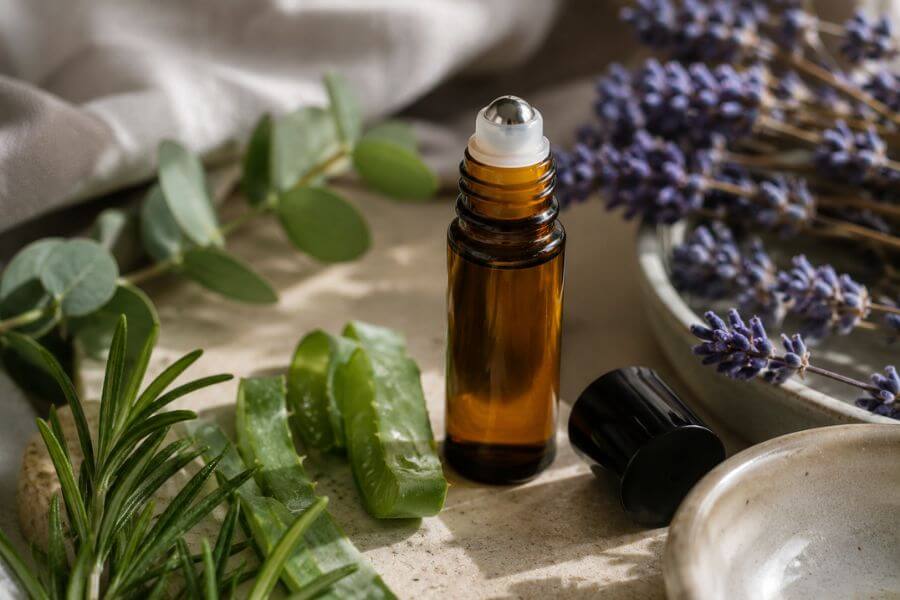
| 5:00 PM | Relaxed and Unwound | Bergamot or Rose | Rollerball oil on your wrists |
| 10:00 PM | Sleepy and Peaceful | Lavender or Sandalwood | Pillow spray or linen mist |
Functional Fragrance in Different Products
You do not have to just use sprays to enjoy this trend. Functional scents are finding their way into all kinds of everyday items. This makes it easy to experience olfactory wellness no matter what your lifestyle looks like.
Body Washes and Shampoos
The shower is the perfect place for functional smells. The hot steam carries the scent molecules deep into your nose. Using a eucalyptus wash in the morning creates an instant home spa that clears your mind for the day ahead.
Laundry Detergents and Fabric Softeners
Imagine sleeping on sheets that smell like a peaceful forest or walking around in a hoodie that gently lowers your anxiety. New laundry brands are infusing clothing soap with long-lasting functional scents that release their goodness whenever you move.
Desk Accessories and Stickers
Some companies now make scented stickers for your laptop or notebooks. When you scratch them, they release focus-boosting oils. This lets you enjoy your olfactory wellness in a quiet classroom or office without bothering the people sitting next to you.
The Environmental Side of the Scent Trend
As olfactory wellness grows, we also have to think about our planet. Gathering natural ingredients like rare woods or delicate flowers can hurt the environment if it is not done carefully. Luckily, the best brands are focusing heavily on sustainability.
Responsible Harvesting
Good companies make sure they do not over-harvest plants. For example, instead of cutting down whole sandalwood trees, they use sustainable farming methods or harvest leftover wood pieces from local farms.
Green Chemistry
Sometimes, creating a scent in a lab is actually better for the earth than using a real plant. This is called green chemistry. Scientists can clone a natural smell molecule using renewable ingredients, saving thousands of real plants while giving your brain the exact same wellness benefits.
Frequently Asked Questions
What makes a fragrance functional instead of regular?
A functional fragrance is made using scientific data to target your brain and change your physical emotional state. Regular perfumes are designed only to smell nice to people around you and do not focus on your internal nervous system.
Can these scents really cure my anxiety?
No, functional fragrances are not medical cures for anxiety or clinical depression. They are simple, supportive tools that help calm your daily stress and improve your everyday moods, but they should not replace professional healthcare.
How long does the mood-shifting effect last?
The immediate brain shift happens in less than a second when you first smell the scent. The physical feelings of calm or energy usually last for a few hours as the scent lingers on your skin or in the air around you.
Are functional fragrances safe for pets?
You need to be careful here because animals have super-sensitive noses. Some concentrated oils, like tea tree or eucalyptus, can be harmful to dogs and cats. It is always best to use light mists in open rooms where your pets can easily leave if they want to.
Do I have to buy expensive brands to try this?
Not at all. While high-tech brands offer awesome science-backed formulas, you can get similar benefits from simple, affordable plant oils like pure lavender or peppermint oil from your local grocery store.
Can I mix different functional scents together?
Yes, you can absolutely create your own mixes. Just make sure the functions match your goals. Mixing a sleepy scent like lavender with an awake scent like peppermint might confuse your brain, so try to layer scents that share similar goals.