New Zealand is one of the most beautiful countries in the world. From snow-capped mountains and stunning beaches to vibrant cities and unique wildlife, it offers unforgettable experiences for travellers from every corner of the globe.
However, many first-time international visitors arrive with expectations that do not always match reality. Some underestimate driving times, others pack for the wrong weather, and many try to fit too much into a short trip. These common mistakes can lead to unnecessary stress, extra costs, and missed opportunities.
The good news is that most of these mistakes are easy to avoid. By learning from other travellers’ experiences, you can enjoy a smoother, safer, and more rewarding journey.
In this guide, you’ll discover the 10 biggest mistakes first-time international visitors make in New Zealand and how you can avoid them.
Quick Summary Table 📋
| Mistake | Why It Happens | How to Avoid It |
|---|---|---|
| Underestimating driving times | Roads look short on maps | Allow extra travel time |
| Trying to see everything | Limited holiday time | Focus on fewer destinations |
| Ignoring weather changes | Weather changes quickly | Pack layers and rain gear |
| Driving without understanding local roads | Different road conditions | Learn NZ driving rules |
| Booking too late | Popular attractions fill up | Reserve early |
| Skipping travel insurance | Trying to save money | Get comprehensive coverage |
| Not budgeting properly | Prices can be higher than expected | Research costs before travelling |
| Missing local culture | Focusing only on scenery | Learn about Māori culture |
| Feeding or disturbing wildlife | Lack of awareness | Follow conservation guidelines |
| Not allowing flexibility | Over-planned itineraries | Leave room for changes |
How We Ranked These Mistakes 🎯
We selected and ranked these mistakes based on:
- How often first-time visitors make them
- Their impact on your travel experience
- Potential safety concerns
- Financial consequences
- Difficulty of fixing the problem once you’re in New Zealand
- Feedback commonly shared by international travellers
- Effects on trip enjoyment and overall satisfaction
1. Underestimating Driving Times 🚗
One of the most common mistakes visitors make is assuming driving in New Zealand is similar to driving in larger countries.
When you look at a map, distances may appear short. However, many roads are winding, narrow, and pass through mountainous terrain. Even a journey that seems simple can take much longer than expected.
For example, a 300-kilometre drive in New Zealand often takes considerably longer than the same distance on a major motorway elsewhere.
Many tourists plan several stops in a single day, only to spend most of their holiday sitting behind the wheel.
To avoid this mistake:
- Add extra time to every drive
- Take regular breaks
- Focus on enjoying the scenery rather than rushing
- Check estimated travel times before setting out
Remember that in New Zealand, the journey itself is often part of the experience.
2. Trying to See the Entire Country in One Trip 🗺️
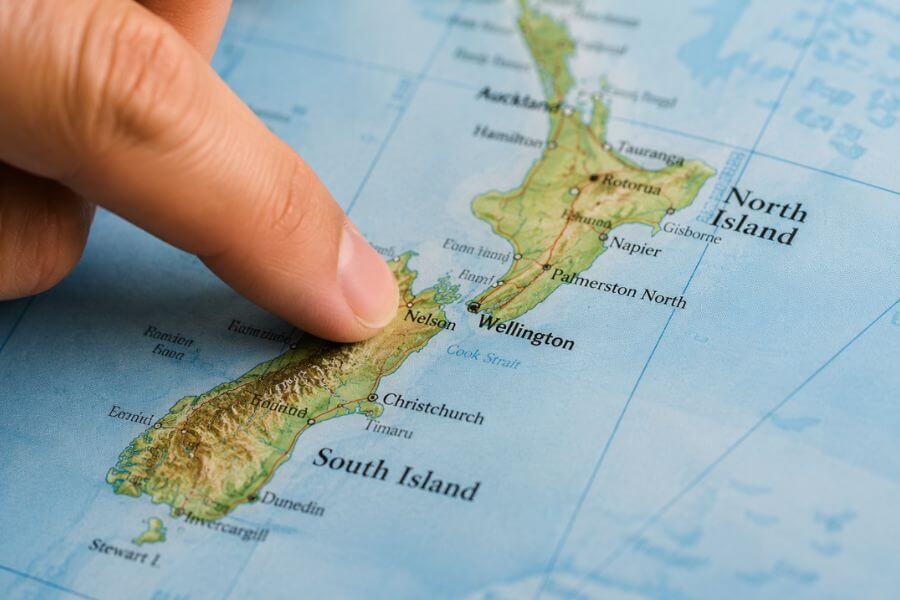
New Zealand may look small on a world map, but there is an enormous amount to see and do.
Many first-time visitors attempt to explore both islands, multiple cities, national parks, beaches, mountains, and adventure destinations within a week or two.
The result is often exhaustion.
Instead of enjoying each location, travellers spend most of their time moving between destinations.
A better approach is to choose fewer places and spend more time in each one. You will experience local life, discover hidden gems, and enjoy a more relaxing holiday.
Quality almost always beats quantity when travelling in New Zealand.
3. Assuming the Weather Will Stay the Same 🌦️
New Zealand’s weather can change rapidly.
You may experience sunshine, wind, rain, and cooler temperatures all within the same day.
Many visitors arrive expecting consistent conditions, especially during summer. They pack only light clothing and are caught off guard when temperatures suddenly drop.
This is particularly common in alpine regions and coastal areas.
Smart travellers pack:
- Waterproof jackets
- Warm layers
- Comfortable walking shoes
- Sun protection
- Lightweight clothing
Being prepared for changing conditions will help you enjoy outdoor activities regardless of the forecast.
4. Driving Without Understanding New Zealand Roads 🚙
Driving in New Zealand can be very different from what you are used to at home.
Visitors often encounter:
- Narrow roads
- One-lane bridges
- Sharp bends
- Rural highways
- Mountain passes
If you come from a country that drives on the opposite side of the road, the adjustment can be challenging.
Fatigue is another major issue, especially after long flights.
Before driving:
- Familiarise yourself with local road rules
- Take breaks regularly
- Avoid driving when tired
- Drive at a speed that feels comfortable
Safety should always come before sticking to a schedule.
5. Waiting Too Long to Book Accommodation and Activities 🏨
New Zealand attracts millions of visitors every year.
Popular destinations such as Queenstown, Rotorua, Milford Sound, and the Bay of Islands can become extremely busy during peak seasons.
Many first-time visitors assume they can book everything after arrival. Unfortunately, this often leads to higher prices or complete sell-outs.
This is especially true for:
- Scenic cruises
- Guided tours
- Popular campsites
- Adventure activities
- Premium accommodation
Booking key experiences in advance gives you more options and reduces stress during your trip.
6. Travelling Without Proper Insurance 🛡️
Some travellers skip travel insurance because they want to save money.
This can become an expensive mistake.
Unexpected situations can happen anywhere, including:
- Flight cancellations
- Lost luggage
- Medical emergencies
- Weather disruptions
- Vehicle accidents
Even a minor issue can result in significant expenses.
Comprehensive travel insurance provides peace of mind and protects you from costs that could otherwise damage your holiday budget.
Before purchasing a policy, carefully check what is covered and what exclusions may apply.
7. Underestimating Travel Costs 💰
New Zealand offers incredible experiences, but it is not always a cheap destination.
Many visitors underestimate costs such as:
- Accommodation
- Fuel
- Domestic flights
- Dining out
- Attraction fees
- Vehicle rentals
Remote locations can be particularly expensive because supplies must travel long distances.
Creating a realistic budget before you arrive helps prevent unpleasant surprises.
Research average prices and include extra funds for unexpected expenses.
A little planning can make your trip much more enjoyable.
8. Ignoring Māori Culture and History 🪶
Many travellers focus entirely on landscapes and adventure activities.
While New Zealand’s scenery is spectacular, its cultural heritage is equally important.
The Māori people have shaped the country’s identity for centuries.
Visitors who take time to learn about Māori traditions, stories, art, language, and customs often gain a deeper appreciation of New Zealand.
You can experience Māori culture through:
- Cultural performances
- Traditional food experiences
- Museums
- Historic sites
- Guided tours
Understanding the country’s cultural foundations adds another dimension to your journey.
9. Disturbing Wildlife or Nature 🐧
New Zealand has unique wildlife found nowhere else in the world.
Unfortunately, some visitors unintentionally disturb animals by getting too close, feeding them, or ignoring local guidelines.
This behaviour can harm both wildlife and fragile ecosystems.
Whether you are watching penguins, seals, dolphins, or native birds, always respect their space.
Follow instructions provided by conservation authorities and tour operators.
Simple actions such as staying on designated paths and disposing of rubbish properly help preserve New Zealand’s natural beauty for future generations.
10. Planning Every Minute of the Trip ⏳
Many first-time visitors create extremely detailed itineraries.
While planning is important, over-planning can actually reduce your enjoyment.
New Zealand is full of unexpected discoveries.
You may find:
- A beautiful beach you had never heard of
- A scenic walking track
- A local market
- A charming small town
- A recommendation from locals
If every hour is scheduled, you may miss these memorable experiences.
Allow some flexibility in your plans so you can adapt to weather conditions, new opportunities, or simply spend more time somewhere you love.
Often the best travel memories are the ones you never planned.
Conclusion ⭐
Your first visit to New Zealand can be one of the most rewarding travel experiences of your life. The country offers extraordinary scenery, welcoming communities, fascinating culture, and unforgettable adventures.
Many common travel mistakes happen because visitors underestimate distances, overpack their itineraries, ignore weather changes, or fail to plan properly. Fortunately, these issues are easy to avoid with a little preparation.
By understanding the challenges before you arrive, you can spend less time dealing with problems and more time enjoying everything New Zealand has to offer.
Travel at a comfortable pace, stay flexible, respect local culture and nature, and allow yourself time to truly experience the country. You’ll leave with better memories and probably start planning your return visit before you’ve even gone home.
Frequently Asked Questions ❓
Is New Zealand suitable for first-time international travellers?
Yes. New Zealand is generally considered one of the easiest and safest countries for international visitors. English is widely spoken, tourism infrastructure is excellent, and locals are often friendly and helpful.
How many days should I spend in New Zealand for my first visit?
A minimum of 10 to 14 days is recommended. This allows you to explore several regions without feeling rushed and gives you time to enjoy both major attractions and lesser-known destinations.
Do I need cash when travelling around New Zealand?
Most businesses accept debit and credit cards, including contactless payments. However, carrying a small amount of cash can be useful when visiting rural areas or small markets.
What is the best season for a first visit to New Zealand?
Each season offers something unique. Summer is popular for outdoor activities, autumn provides colourful landscapes, winter attracts skiers, and spring brings mild temperatures and beautiful scenery.
Are New Zealand’s outdoor activities suitable for beginners?
Many activities cater to beginners, including easy hiking trails, wildlife tours, scenic cruises, and guided adventures. Always check difficulty levels and choose experiences that match your fitness and comfort level.