Table of Contents
If you want your travels to leave a positive impact, conservation volunteering in New Zealand can be one of the most rewarding experiences you will ever have. Across the country, you can help protect native wildlife, restore forests, remove invasive species, and support local communities that care deeply about the environment.
New Zealand is home to rare birds, stunning coastlines, ancient forests, and marine ecosystems found nowhere else in the world. By joining a conservation volunteer programme, you do more than simply visit these places. You become part of the effort to protect them for future generations.
Whether you want a hands-on outdoor adventure or a meaningful way to connect with nature, these volunteer experiences offer the chance to travel with purpose while exploring some of the most beautiful parts of the country.
Quick Summary Table 🗺️
| No. | Conservation Experience | Best For | Region | Typical Activities |
|---|---|---|---|---|
| 1 | Predator Free Stewardship Projects | Wildlife lovers | Nationwide | Trapping pests, habitat restoration |
| 2 | Department of Conservation Volunteer Work | Flexible volunteering | Nationwide | Track maintenance, tree planting |
| 3 | Zealandia Ecosanctuary Programmes | Urban conservation | Wellington | Wildlife monitoring, education |
| 4 | Tiritiri Matangi Island Conservation | Bird conservation | Auckland Region | Revegetation, guiding visitors |
| 5 | Project Janszoon | National park restoration | Abel Tasman | Weed control, native planting |
| 6 | Kiwi Conservation Club Camps | Families and young adults | Various regions | Environmental education |
| 7 | Sustainable Coastlines Events | Beach clean ups | Coastal NZ | Rubbish collection, awareness |
| 8 | Marine Mammal Rescue Volunteering | Ocean conservation | Coastal NZ | Marine animal support |
| 9 | Cape Sanctuary Volunteer Programmes | Eco tourism with purpose | Hawke’s Bay | Wildlife protection, conservation work |
| 10 | Community Native Forest Restoration Projects | Grassroots volunteering | Nationwide | Planting and ecosystem recovery |
How We Ranked These Experiences 🧭
We looked at several important factors to choose the best conservation volunteer experiences in New Zealand:
- Real environmental impact
- Opportunities for hands-on involvement
- Accessibility for travellers
- Educational value and learning opportunities
- Support for native wildlife and ecosystems
- Variety of activities available
- Community involvement and local partnerships
- Suitability for beginners and experienced volunteers
- Scenic value and overall travel experience
- Positive reputation among volunteers
1. Predator Free Stewardship Projects 🐦
New Zealand’s Predator Free movement is one of the country’s most important environmental missions. Introduced predators such as stoats, rats, and possums have harmed native wildlife for generations, especially birds that evolved without mammal predators.
As a volunteer, you may help check traps, monitor wildlife activity, restore habitats, and assist with planting native species. Many projects are run by local conservation groups, making the experience feel personal and community-driven.
What makes this experience stand out is the direct impact you can see. In some areas, native bird populations have returned after years of decline because of ongoing volunteer work.
You do not need previous experience, and many projects welcome short-term travellers. It is also a great way to meet locals who are passionate about protecting New Zealand’s environment.
Highlights include:
- Working in beautiful forest reserves
- Seeing rare native birds in the wild
- Learning practical conservation skills
- Supporting long-term ecological recovery
2. Department of Conservation Volunteer Work 🏔️
The New Zealand Department of Conservation, often called DOC, offers volunteer opportunities throughout the country. These projects range from one-day activities to longer conservation programmes.
You could help maintain walking tracks, remove invasive weeds, plant native trees, or assist with wildlife monitoring. Because DOC manages many of New Zealand’s most famous natural areas, volunteering often takes place in spectacular locations.
This experience is ideal if you want flexibility. Some travellers volunteer for a weekend while others stay for several weeks.
Another advantage is the educational side of the work. DOC staff and experienced volunteers often share knowledge about local ecosystems, native species, and environmental challenges facing the country.
Popular volunteer locations include:
- Fiordland National Park
- Tongariro National Park
- Stewart Island
- Great Barrier Island
3. Zealandia Ecosanctuary Programmes 🦜
Located in Wellington, Zealandia is one of the world’s leading urban ecosanctuaries. The fenced sanctuary protects rare native species from introduced predators and has become a model for urban conservation worldwide.
Volunteers play a huge role in daily operations. Depending on the programme, you may help with wildlife surveys, visitor education, habitat maintenance, or ecological monitoring.
This experience is perfect if you want conservation work that combines science, education, and wildlife encounters. You may even spot iconic species such as kākā, tuatara, and takahē during your volunteer shifts.
Zealandia is especially good for travellers who prefer structured programmes with strong training and support.
Reasons volunteers love it include:
- Easy access from central Wellington
- Strong conservation success stories
- Opportunities to learn from experts
- Excellent wildlife viewing opportunities
4. Tiritiri Matangi Island Conservation 🌺
Tiritiri Matangi Island is one of New Zealand’s greatest conservation success stories. Once heavily farmed, the island has been transformed into a thriving wildlife sanctuary through decades of volunteer work.
Today, volunteers continue helping with habitat restoration, guiding visitors, and supporting wildlife management. The island is famous for its birdlife, and many visitors come specifically to see rare native species in a predator-free environment.
The experience feels both meaningful and peaceful. Because the island is relatively small, volunteers often develop a strong connection with the landscape and community.
Typical volunteer tasks include:
- Maintaining walking tracks
- Assisting with native planting
- Helping educate visitors
- Monitoring bird populations
The boat trip to the island also adds to the adventure and gives you incredible views of the Hauraki Gulf.
5. Project Janszoon 🌳
Project Janszoon focuses on restoring the natural ecosystems of Abel Tasman National Park. This long-term conservation initiative combines scientific research, pest control, and habitat restoration to protect one of New Zealand’s most loved coastal parks.
Volunteers often assist with practical outdoor tasks such as weed removal and native planting. Some projects may also involve helping researchers collect environmental data.
One of the biggest attractions here is the setting. Abel Tasman is known for golden beaches, clear water, and scenic walking tracks, so conservation work feels especially rewarding in such a beautiful environment.
Why this programme stands out:
- Strong focus on long-term sustainability
- Beautiful coastal landscapes
- Great mix of science and outdoor work
- Opportunities to learn about native ecosystems
It is an excellent choice if you want both adventure and a meaningful environmental contribution.
6. Kiwi Conservation Club Camps 🐾
The Kiwi Conservation Club runs environmental programmes aimed mainly at younger people and families, but many activities also welcome volunteers and supporters.
These camps focus heavily on education, wildlife protection, and outdoor learning. Volunteers may help supervise activities, support conservation projects, and encourage environmental awareness among participants.
The atmosphere is energetic and community-focused. It is a good option if you enjoy working with young people and want to inspire the next generation of conservation advocates.
Activities often include:
- Nature walks
- Wildlife observation
- Beach clean-ups
- Native tree planting
- Environmental workshops
This experience combines volunteering with personal growth and environmental education in a fun and engaging way.
7. Sustainable Coastlines Events 🌊
New Zealand’s coastlines are stunning, but marine pollution remains a growing problem. Sustainable Coastlines organises volunteer events that focus on protecting beaches, waterways, and marine environments.
Beach clean-ups are the most common activity, but volunteers may also help with educational campaigns and environmental workshops.
The work is simple but powerful. Volunteers often remove large amounts of rubbish from coastal areas in a single day, helping protect marine wildlife and improve local ecosystems.
What makes these events appealing:
- Easy for travellers to join
- Short-term commitment options
- Immediate visible impact
- Strong community atmosphere
You also gain a better understanding of how waste affects oceans and wildlife across New Zealand.
8. Marine Mammal Rescue Volunteering 🐬
For animal lovers, marine mammal rescue volunteering can be an unforgettable experience. Various organisations around New Zealand rely on volunteers to assist with stranded whales, dolphins, and seals.
Training and supervision are usually provided, as marine animal rescue requires careful handling and coordination.
Volunteers may assist with:
- Monitoring stranded animals
- Crowd management during rescue events
- Data recording
- Supporting rescue teams
- Public education
While rescue situations can sometimes be emotional, they are also deeply meaningful. Helping protect marine life creates a strong connection to New Zealand’s coastal environment.
This kind of volunteering is ideal if you care strongly about ocean conservation and wildlife welfare.
9. Cape Sanctuary Volunteer Programmes 🦅
Cape Sanctuary in Hawke’s Bay combines eco tourism with active conservation work. The sanctuary protects native wildlife through habitat restoration and predator control programmes.
Volunteers may help with tree planting, pest monitoring, fence maintenance, and wildlife observation. Because the sanctuary operates within a stunning coastal landscape, the experience feels immersive and rewarding.
One of the best parts of volunteering here is seeing how conservation and tourism can work together. Visitors support environmental protection while gaining a deeper understanding of native ecosystems.
Why travellers enjoy Cape Sanctuary:
- Scenic coastal environment
- Strong focus on biodiversity
- Friendly volunteer community
- Opportunities to spot rare wildlife
It is a great option if you want a balance between relaxation, learning, and practical conservation work.
10. Community Native Forest Restoration Projects 🌱
Across New Zealand, local communities run native forest restoration projects that welcome volunteers from all backgrounds. These grassroots efforts are often small but incredibly important.
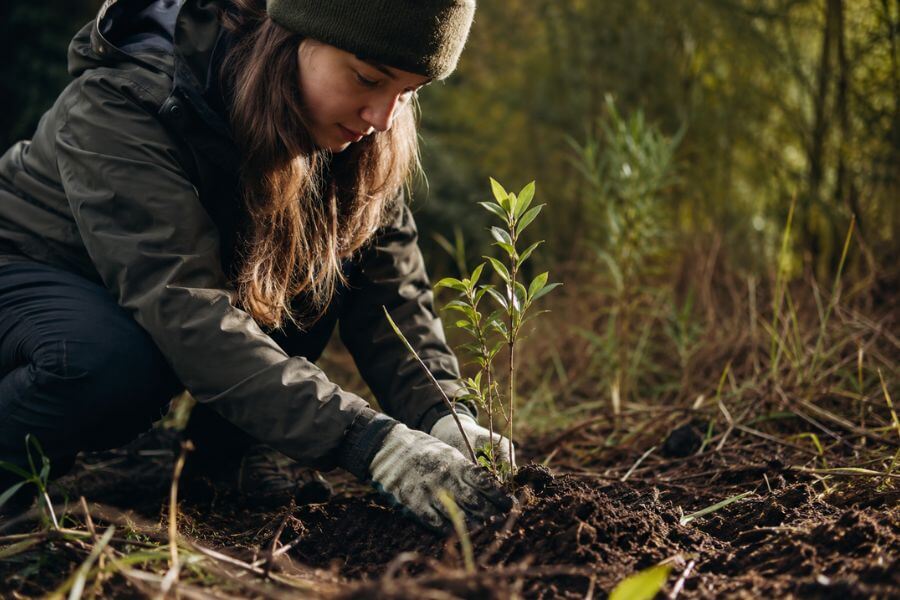
Volunteers help restore damaged ecosystems by planting native trees, removing invasive weeds, and improving habitats for wildlife.
The experience feels authentic because you work directly alongside local residents who are passionate about their environment. You also learn how community action can create long-term environmental change.
Benefits of joining these projects include:
- Flexible volunteer schedules
- Opportunities in both urban and rural areas
- Meaningful local connections
- Direct environmental impact
These projects prove that even small volunteer efforts can contribute to large-scale ecological recovery over time.
Conclusion 🌏
Volunteering for conservation projects in New Zealand gives you the chance to travel with purpose while experiencing some of the country’s most breathtaking landscapes. Instead of simply passing through, you become part of the effort to protect native wildlife, forests, coastlines, and marine ecosystems.
Whether you spend a single day cleaning beaches or several weeks restoring habitats, your contribution matters. These experiences also help you connect with local communities, learn practical environmental skills, and gain a deeper appreciation for New Zealand’s natural beauty.
If you want your next trip to feel more meaningful, conservation volunteering could become the most memorable part of your New Zealand adventure.
Frequently Asked Questions ❓
Do I need previous experience to join conservation volunteer programmes?
Most programmes welcome beginners and provide training on-site. Enthusiasm and willingness to help are usually more important than experience.
What should you pack for conservation volunteering in New Zealand?
You should bring sturdy walking shoes, weatherproof clothing, sunscreen, insect repellent, reusable water bottles, and comfortable outdoor gear suitable for changing conditions.
Are conservation volunteer experiences suitable for solo travellers?
Yes. Many solo travellers join these programmes because they offer a great way to meet people while doing meaningful work in a supportive environment.
Can you volunteer in New Zealand for just a few days?
Many organisations offer flexible options, including one-day events, weekend projects, and short-term volunteer opportunities for travellers.
What is the best time of year for conservation volunteering in New Zealand?
Spring and summer are popular because of warmer weather and active wildlife seasons, but many conservation projects run year-round, depending on the location and type of work.