Table of Contents
New Zealand is famous for dramatic mountains, wild coastlines, and ancient forests, but some of its most inspiring places are the ones being carefully restored back to nature. Across the country, rewilding projects are bringing back native birds, regenerating forests, removing invasive predators, and rebuilding fragile ecosystems that were once close to disappearing.
The best part is that many of these projects are not hidden away from visitors. You can walk through predator-free sanctuaries, join guided eco tours, hear kiwi birds at night, and see how local communities are helping nature recover in real time.
If you want travel experiences that feel meaningful as well as beautiful, these rewilding projects deserve a place on your New Zealand itinerary.
Quick Summary Table 🗺️
| Rewilding Project | Location | Best For | Visitor Experience |
|---|---|---|---|
| Zealandia | Wellington | Wildlife spotting | Sanctuary walks and night tours |
| Tiritiri Matangi Island | Auckland | Bird lovers | Island day trips |
| Sanctuary Mountain Maungatautari | Waikato | Ancient forest | Eco walks and guided tours |
| Rotoroa Island | Hauraki Gulf | Beaches and conservation | Hiking and birdwatching |
| Brook Waimārama Sanctuary | Nelson | Native forest restoration | Walking trails |
| Orokonui Ecosanctuary | Dunedin | Family visits | Easy wildlife experiences |
| Cape Sanctuary | Hawke’s Bay | Luxury eco tourism | Safari style conservation tours |
| Pūkaha National Wildlife Centre | Wairarapa | Kiwi encounters | Wildlife education |
| Rakiura Tītī Islands Projects | Stewart Island | Remote nature | Cultural and ecological tours |
| Predator Free Miramar | Wellington | Urban rewilding | Community conservation walks |
How We Ranked These Projects 🔍
We looked at several important factors when choosing these rewilding projects:
- Visitor accessibility
- Quality of wildlife experiences
- Conservation impact
- Educational value
- Scenic beauty
- Opportunities for guided tours
- Community involvement
- Uniqueness of the ecosystem
- Family friendliness
- Chances of seeing rare native species
1. Zealandia, Wellington 🦜
Set in a lush valley just minutes from central Wellington, Zealandia is one of the most successful urban rewilding projects in the world. Once heavily impacted by introduced predators, this fenced sanctuary now protects hundreds of native species that were disappearing from mainland New Zealand.
As you walk through the sanctuary, you can hear tūī singing overhead while kākā parrots fly between trees. Rare reptiles, giant wētā, and little spotted kiwi all live within the protected area. The atmosphere feels ancient and peaceful, almost like stepping back into prehistoric New Zealand.
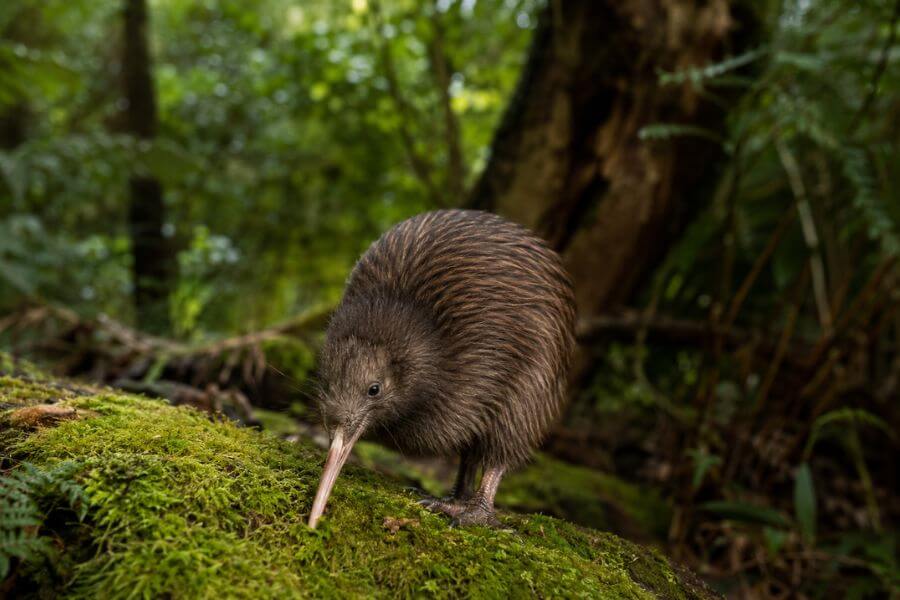
One of the best experiences here is the night tour. With a guide leading the way through the forest after dark, you have a real chance of seeing kiwi birds searching for food among the leaf litter. Even if you do not spot one, the sounds of the forest at night are unforgettable.
The walking tracks are well-maintained and suitable for most fitness levels, making Zealandia easy to include in your Wellington travel plans.
2. Tiritiri Matangi Island, Auckland 🚤
Tiritiri Matangi Island proves how powerful community conservation can be. Decades ago, the island was mostly farmland with very little native vegetation left. Volunteers helped replant hundreds of thousands of native trees, transforming the island into a thriving wildlife sanctuary.
Today, you can visit by ferry from Auckland and spend the day exploring walking tracks surrounded by birdsong. The island is home to rare species like takahē, saddlebacks, and kōkako, many of which are difficult to see elsewhere.
Unlike a zoo, the wildlife here moves freely around you. Birds land beside tracks, flutter through the trees, and sometimes perch close enough for incredible photos.
The island also has historic buildings, scenic viewpoints, and beautiful beaches, so your visit combines conservation with classic New Zealand coastal scenery.
3. Sanctuary Mountain Maungatautari, Waikato 🌲
Sanctuary Mountain Maungatautari protects one of the largest fenced ecological restoration projects in the country. Massive predator-proof fencing surrounds an ancient native forest filled with endangered wildlife.
Walking here feels completely different from visiting a standard nature reserve. The forest is alive with movement and birdsong. Species that vanished from much of mainland New Zealand now thrive inside the sanctuary.
You can choose self-guided tracks or join guided eco tours that explain the huge effort involved in restoring the mountain ecosystem. Knowledgeable guides often help visitors spot rare birds hidden high in the canopy.
The project also focuses strongly on Māori cultural connections to the land, adding deeper meaning to the experience.
Because it is located in the Waikato region, Maungatautari is an easy detour if you are travelling between Auckland, Rotorua, and Hobbiton.
4. Rotoroa Island, Hauraki Gulf 🏝️
Rotoroa Island mixes conservation success with relaxed island travel. Once used as a rehabilitation centre, the island has since become a major restoration project focused on native habitats and endangered wildlife.
You can arrive by ferry and spend the day hiking coastal tracks, swimming at quiet beaches, and spotting native birds around the island. Replanted forests now provide shelter for species that had disappeared from the area.
What makes Rotoroa special is its balance between recreation and conservation. You are not simply observing nature from a distance. Instead, you experience how restoration can exist alongside tourism in a respectful way.
The views across the Hauraki Gulf are stunning, especially during sunset walks along the ridgelines.
5. Brook Waimārama Sanctuary, Nelson 🍃
Brook Waimārama Sanctuary is one of the South Island’s most ambitious conservation projects. Located near Nelson, the sanctuary aims to restore a large native forest ecosystem protected by predator-proof fencing.
Visitors can explore peaceful walking trails through regenerating forest while learning about native species recovery. The sanctuary continues to expand its wildlife restoration efforts, making every visit feel like you are witnessing conservation in progress.
Birdwatchers especially enjoy this destination because native birds are becoming increasingly common throughout the protected area.
The sanctuary also offers educational programmes and community events, showing how local people are directly involved in bringing the forest back to life.
If you enjoy slower, quieter nature experiences away from heavy tourist crowds, this is an excellent choice.
6. Orokonui Ecosanctuary, Dunedin 🐦
Near Dunedin, Orokonui Ecosanctuary combines accessibility with impressive conservation results. The sanctuary protects coastal forest habitats and supports many rare native species.
Families often enjoy visiting because the walking tracks are manageable and the visitor centre explains conservation work in a clear and engaging way. You do not need to be a serious wildlife expert to appreciate the experience.
Birdlife is the main highlight here. Kākā, bellbirds, and tīeke are regularly seen around the sanctuary, while tuatara reptiles quietly bask in protected areas.
The sanctuary also works closely with researchers and conservation specialists, making it an important scientific project as well as a visitor attraction.
The cool southern scenery around Dunedin adds another layer of beauty to the trip.
7. Cape Sanctuary, Hawke’s Bay 🦌
Cape Sanctuary offers a more exclusive rewilding experience. Located in Hawke’s Bay, this privately managed conservation project protects thousands of hectares of restored habitat.
Unlike some larger public sanctuaries, visits here often feel personal and immersive. Guided tours take you through wetlands, forests, and open landscapes where endangered species are being carefully reintroduced.
The project focuses heavily on predator control and habitat restoration, both essential parts of New Zealand’s wider conservation goals.
Luxury accommodation options nearby also make Cape Sanctuary appealing if you want an eco-focused escape without giving up comfort.
Wildlife sightings can include kiwi, tuatara, and rare wetland birds, depending on the season and tour conditions.
8. Pūkaha National Wildlife Centre, Wairarapa 🦉
Pūkaha is both a wildlife sanctuary and an education centre dedicated to protecting native species. Located north of Masterton, it is especially famous for its kiwi conservation work.
Visitors can join guided tours, explore forest tracks, and watch conservation feeding sessions. The centre helps explain the challenges facing New Zealand wildlife in a way that feels informative rather than overwhelming.
One of the strongest parts of the experience is learning how breeding programmes help restore species populations across the country.
The forest itself is beautiful, with towering trees and peaceful walking paths that make it easy to slow down and appreciate the environment.
Pūkaha is ideal if you want a conservation experience that is educational, family-friendly, and easy to access.
9. Rakiura Tītī Islands Projects, Stewart Island 🌊
The rewilding efforts around Stewart Island and the nearby Tītī Islands offer some of the most remote and culturally significant conservation experiences in New Zealand.
These projects often combine ecological restoration with Māori stewardship traditions that have protected the islands for generations.
Because of the remote location, visiting feels far more adventurous than mainland sanctuaries. You may experience untouched coastlines, dense native forest, and extraordinary seabird populations.
Guided cultural and ecological tours provide insight into how traditional knowledge and modern conservation science work together.
This region is particularly rewarding for travellers who want something raw, wild, and deeply connected to New Zealand’s natural heritage.
10. Predator Free Miramar, Wellington 🏡
Predator Free Miramar shows that rewilding does not only happen in remote forests. This urban conservation project is based in suburban Wellington and focuses on removing invasive predators from residential neighbourhoods.
The goal is simple but powerful: create safe spaces where native birds and wildlife can return to city environments.
Visitors can join community walks and conservation events while seeing firsthand how ordinary residents contribute to large-scale ecological recovery.
The project highlights an important idea that makes New Zealand’s conservation movement unique. Rewilding is not limited to national parks. Entire communities are becoming part of the effort.
If you are interested in sustainable travel and grassroots environmental action, Predator Free Miramar is incredibly inspiring.
Conclusion 🌏
New Zealand’s rewilding projects offer much more than scenic walks and wildlife sightings. They allow you to witness ecosystems recovering in real time and show how determined communities can reverse environmental damage.
Whether you are listening for kiwi calls in Wellington, spotting rare birds on island sanctuaries, or exploring remote forests on Stewart Island, these places give your travels a deeper sense of purpose.
You do not need to be a scientist or hardcore conservationist to enjoy these experiences. All you need is curiosity, respect for nature, and a willingness to slow down long enough to notice what is returning to the wild.
Frequently Asked Questions ❓
What does rewilding actually mean in New Zealand?
In New Zealand, rewilding usually means restoring ecosystems by removing invasive predators, replanting native forests, and helping endangered species return to their natural habitats.
Are these rewilding projects suitable for children?
Yes, many projects are family-friendly and include easy walking tracks, visitor centres, and educational activities designed for children and beginners.
What native animals might you see at these sanctuaries?
You may spot kiwi, kākā parrots, tuatara, bellbirds, saddlebacks, takahē, and many other rare native birds and reptiles, depending on the location.
Do you need guided tours to visit these projects?
Not always. Many sanctuaries allow self-guided visits, though guided tours can improve your chances of spotting wildlife and learning about conservation work.
What is the best time of year to visit New Zealand rewilding projects?
Spring and summer are especially good because bird activity is higher and walking conditions are usually easier, but many sanctuaries stay open year-round.