Table of Contents
New Zealand is home to some of the oldest and most beautiful native forests on Earth. When you step onto these walking tracks, you are not just going for a hike. You are entering living ecosystems filled with giant kauri trees, towering southern beeches, native birds, moss-covered paths, and peaceful sounds that make you slow down and appreciate nature.
Whether you want an easy boardwalk through ancient giants or a full-day bush adventure deep in the wilderness, New Zealand offers forest walks for every type of traveller. Many of these tracks also give you the chance to learn about Māori culture, conservation work, and the importance of protecting these rare forests for future generations.
This guide takes you through 10 of the best native forest walks in New Zealand, where you can experience ancient kauri and beech trees up close while enjoying some of the country’s most magical landscapes.
Quick Summary Table 🍃
| Forest Walk | Location | Main Highlight | Difficulty | Best For |
|---|---|---|---|---|
| Waipoua Forest Track | Northland | Giant kauri trees | Easy | First-time visitors |
| Kauri Walk at Trounson Forest | Northland | Night walks and glow worms | Easy | Families |
| Lake Waikaremoana Track | Hawke’s Bay | Ancient rainforest scenery | Moderate | Multi-day hikers |
| Routeburn Track | South Island | Beech forest and alpine views | Moderate to Hard | Adventure travellers |
| Pureora Forest Park Walks | Waikato | Rare podocarp forest | Easy to Moderate | Bird lovers |
| Kepler Track Forest Section | Fiordland | Mossy beech forests | Moderate | Great Walk fans |
| Taranaki Wilkies Pools Track | Taranaki | Goblin forest atmosphere | Easy | Casual walkers |
| Orokonui Ecosanctuary Tracks | Dunedin | Protected native forest | Easy | Wildlife spotting |
| Mount Aspiring Rob Roy Track | Otago | Beech forest and glacier views | Moderate | Scenic photography |
| Paparoa Track Forest Sections | West Coast | Dense rainforest and limestone | Moderate | Remote wilderness lovers |
How We Ranked These Forest Walks 🌱
We selected these walks based on several important factors to help you find the best forest experiences across New Zealand.
- Variety of native forest landscapes
- Presence of ancient kauri or beech trees
- Walking track quality and accessibility
- Scenic beauty and atmosphere
- Wildlife and birdwatching opportunities
- Cultural and conservation value
- Suitability for different fitness levels
- Overall visitor experience
1. Waipoua Forest Track, Northland 🌳
Waipoua Forest is one of the most famous native forests in New Zealand, and for good reason. This ancient forest is home to Tāne Mahuta, the largest known kauri tree in the country. Standing beneath this giant feels almost unreal. The tree is estimated to be more than 2,000 years old and towers high above the forest floor.
The walking tracks here are easy and suitable for most people. Boardwalks help protect the fragile roots while allowing you to get surprisingly close to these enormous trees. The forest itself feels ancient and peaceful, with birds singing through the canopy and soft light filtering through the leaves.
You can visit during the day, but guided night walks are also popular. At night, the forest becomes even more magical, with glow worms and native wildlife becoming more active.
This is one of the best places in New Zealand to truly understand the importance of kauri conservation and the cultural value these forests hold.
2. Kauri Walk at Trounson Forest, Northland 🦉
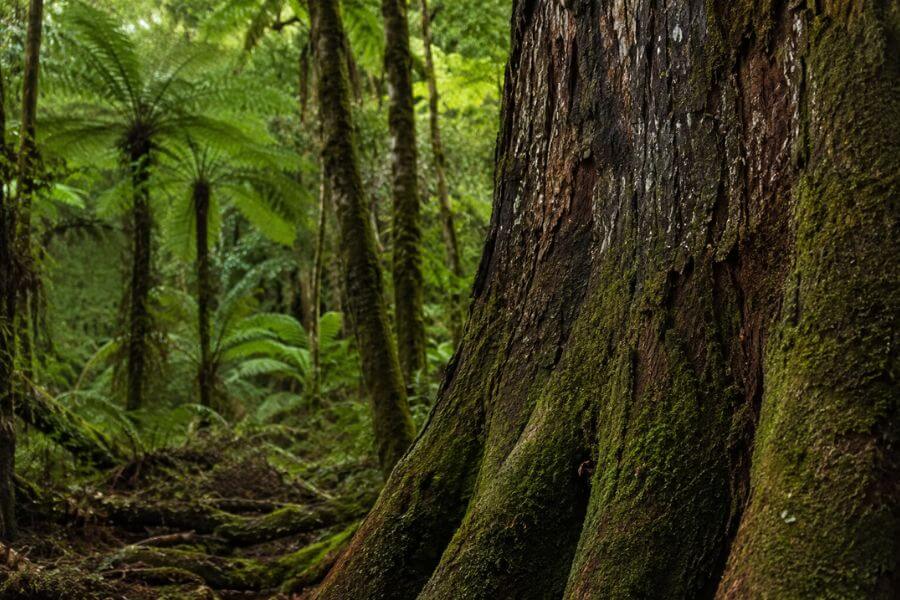
Trounson Forest offers a quieter and more intimate kauri forest experience. The loop track is easy to follow and takes you through lush native bush filled with towering trees, ferns, and moss-covered trunks.
One of the highlights here is the chance to do a night walk. Kiwi birds are sometimes spotted after dark, which makes this forest especially exciting for wildlife lovers. During the evening, you may also hear native birds calling through the trees while glow worms light up sections of the track.
The forest has a calm and peaceful atmosphere that feels very different from busier tourist spots. Because the track is relatively short and easy, it is ideal if you want a relaxed forest walk without needing a full day of hiking.
The combination of giant kauri trees and rich birdlife makes this one of Northland’s hidden gems.
3. Lake Waikaremoana Track, Hawke’s Bay 🚶
The Lake Waikaremoana Track is one of New Zealand’s Great Walks, and its forest sections are absolutely unforgettable. Much of the trail passes through thick native rainforest filled with ancient podocarps, tree ferns, and towering greenery.
As you walk, you move between peaceful forest and stunning lake viewpoints. The track often feels remote and untouched, giving you the sense that you are exploring deep wilderness rather than a tourist trail.
Birdlife is another major highlight. You may hear tūī, kererū, and bellbirds echoing through the forest canopy. Early mornings are especially beautiful when mist rises through the trees around the lake.
This walk is best for travellers who want a longer adventure and do not mind spending several days immersed in nature.
4. Routeburn Track, South Island 🏔️
The Routeburn Track is famous for alpine scenery, but its beech forests are just as impressive. The lower sections of the track pass through dense southern beech forest where sunlight filters through the branches and moss covers the forest floor.
The trees here create a magical atmosphere, especially after rainfall, when the forest feels fresh and alive. Crystal-clear rivers and waterfalls add even more beauty to the experience.
As you climb higher, the scenery changes dramatically from forest to mountain landscapes, giving you a perfect mix of environments in one journey.
This track is ideal if you want both native forest experiences and some of New Zealand’s most famous mountain views.
5. Pureora Forest Park Walks, Waikato 🐦
Pureora Forest Park protects one of the last remaining areas of ancient podocarp forest in the North Island. Walking here feels like stepping into prehistoric New Zealand.
Tall tōtara, rimu, mataī, and kahikatea trees dominate the forest, while native birds move through the canopy above. This is one of the best places in the country for birdwatching, especially if you want to spot rare species.
The Timber Trail and shorter walking tracks provide several ways to explore the area, depending on your fitness level and schedule.
What makes Pureora especially special is its conservation story. Logging once threatened much of this forest, but strong environmental efforts helped save it for future generations.
You leave with a real appreciation for New Zealand’s natural heritage after spending time here.
6. Kepler Track Forest Section, Fiordland 🌧️
The Kepler Track is another famous Great Walk, and its beech forest sections are incredibly atmospheric. The trail winds through dense forest covered in moss, lichens, and ferns, creating a rich green landscape that almost feels enchanted.
Rainfall in Fiordland keeps the forest lush year-round, and the sound of birds and flowing water follows you along the path. The lower forest sections are suitable even for less experienced hikers who want a taste of the full track.
The contrast between dark forest, bright lakes, and distant mountains makes this area especially scenic.
If you enjoy peaceful walking surrounded by rich greenery, the Kepler Track delivers one of the finest forest experiences in the country.
7. Taranaki Wilkies Pools Track, Taranaki 🍄
The Wilkies Pools Track near Mount Taranaki is famous for its goblin forest scenery. Twisted trees covered in moss create an unusual landscape that feels straight out of a fantasy film.
The track itself is relatively easy and suitable for most visitors. Along the way, you pass small reflective pools, dense vegetation, and forest sections that become especially beautiful in misty weather.
This walk is not about giant trees alone. It is about atmosphere. Every corner feels dramatic and photogenic.
Because the track is short, it works well for travellers wanting a rewarding forest experience without committing to a long hike.
8. Orokonui Ecosanctuary Tracks, Dunedin 🦜
Orokonui Ecosanctuary combines native forest walking with wildlife conservation. The protected sanctuary allows many native species to thrive safely within predator-free fencing.
Walking tracks pass through regenerating forest filled with native plants and birds. You may spot tūī, kākā, or even rare species that are difficult to see elsewhere.
The tracks are easy to follow and suitable for families, making this an excellent option if you want a relaxed experience focused on both nature and education.
The sanctuary also highlights the important conservation work happening across New Zealand to restore native forests and wildlife populations.
9. Mount Aspiring Rob Roy Track, Otago ❄️
The Rob Roy Track is best known for glacier views, but the beech forest section leading to the valley is equally stunning. The trail begins through dense native forest where birdsong echoes between the trees and streams rush beside the path.
The forest provides shade and shelter before the landscape opens into dramatic alpine scenery near the glacier viewpoint.
Because the walk combines forest, waterfalls, suspension bridges, and mountain views, it offers a very complete New Zealand hiking experience.
It is a fantastic choice if you want a moderate day walk with constantly changing scenery.
10. Paparoa Track Forest Sections, West Coast 🌲
The Paparoa Track on the West Coast takes you through rich rainforest landscapes filled with nikau palms, mossy trees, and dense native vegetation.
The forest here feels wild and untamed. Rainfall keeps everything lush and green, while limestone rock formations add another layer of beauty to the environment.
Unlike some of the more famous Great Walks, Paparoa still feels relatively uncrowded in many sections. That gives you more opportunities to enjoy the sounds of nature without distraction.
The changing scenery keeps the walk exciting, especially as forest sections connect with elevated viewpoints over the rugged West Coast landscape.
Conclusion 🌏
New Zealand’s native forests are some of the country’s greatest treasures. Whether you are standing beneath an enormous kauri tree in Northland or walking through moss-covered beech forest in Fiordland, these landscapes leave a lasting impression.
Each forest walk offers something different. Some focus on giant ancient trees, while others showcase wildlife, mountain scenery, or a deep rainforest atmosphere. Together, they reveal just how diverse and beautiful New Zealand’s natural environment really is.
If you want to experience the country beyond the cities and tourist hotspots, spending time in these forests is one of the best ways to connect with the land, slow down, and enjoy the quieter side of travel.
Frequently Asked Questions 🌼
What is the difference between kauri forests and beech forests?
Kauri forests are dominated by giant kauri trees, mostly found in the North Island. Beech forests are more common in the South Island and feature tall southern beech trees with dense canopies and mossy surroundings.
Do I need hiking experience for these forest walks?
Not always. Many tracks are beginner-friendly with boardwalks and easy paths. However, some Great Walk sections require good fitness and preparation for longer distances.
Why are kauri trees protected in New Zealand?
Kauri trees are threatened by kauri dieback disease, which can kill these ancient trees. Visitors are asked to clean their footwear and stay on marked tracks to help protect the forests.
What wildlife can I see on these walks?
You may spot native birds such as tūī, kererū, bellbirds, fantails, and sometimes kiwi. Some forests also have glowworms and rare reptiles.
When is the best time to explore New Zealand’s native forests?
You can enjoy forest walks year-round, but spring and autumn often provide mild temperatures and fewer crowds. Summer is ideal for longer hikes, while winter forests can feel especially peaceful and atmospheric.