Table of Contents
New Zealand continues to attract travellers, students, digital nomads, and adventure lovers from all over the world. From stunning mountains and peaceful beaches to friendly locals and unique wildlife, it is easy to see why so many people are curious about the country.
If you have been searching for answers about New Zealand in 2026, you are not alone. Every year, millions of people search online for information about the cost of living, weather, jobs, visas, safety, and travel experiences across the country.
This guide answers the 10 most searched questions about New Zealand in a simple and practical way. Whether you are planning a holiday, thinking about moving, or simply curious about life there, these answers will help you understand what to expect.
Quick Summary Table 📋
| Question | Short Answer |
|---|---|
| Is New Zealand expensive? | Yes, but costs vary depending on lifestyle and location |
| What is the best time to visit? | Summer for beaches, winter for snow and skiing |
| Is New Zealand safe? | One of the safest countries in the world |
| Can foreigners work in New Zealand? | Yes, with the correct visa |
| How long should you stay? | At least 2 weeks for a proper trip |
| Is healthcare good? | Excellent public and private healthcare systems |
| What language do people speak? | Mainly English, with Māori and NZ Sign Language also official |
| Is New Zealand good for families? | Yes, especially for outdoor lifestyles |
| What is the weather really like? | Fast-changing and varied by region |
| Is it better than Australia for travel? | Depends on the experience you want |
How We Ranked These Questions 🔍
These questions were selected based on what travellers and future migrants search for most often online in 2026.
Key factors included:
- Popular search trends
- Questions frequently asked by tourists
- Topics important for first-time visitors
- Concerns about costs, safety, and visas
- Lifestyle and relocation interest
- Seasonal travel planning
- Family and work-related searches
- Long-term living questions
- Practical travel information
- Real experiences people want clarified
1. Is New Zealand Expensive to Visit or Live In? 💰
One of the biggest questions people ask about New Zealand is whether it is expensive. The short answer is yes, but it depends on your travel style and where you stay.
Cities like Auckland and Wellington can feel costly, especially for accommodation and dining. Grocery prices are also higher than many travellers expect because New Zealand imports many products from overseas.
However, you can still travel on a reasonable budget if you plan carefully. Campervan holidays, budget motels, public campsites, and supermarket meals help reduce costs. Smaller towns are usually cheaper than major cities.
If you are moving to New Zealand, wages are generally balanced against living costs, although housing remains expensive in popular areas.
You may spend more than expected, but many visitors feel the scenery and lifestyle are worth every penny.
2. What Is the Best Time to Visit New Zealand? ☀️
The best time to visit depends on what you want to experience.
Summer runs from December to February and is the most popular season. You get warm temperatures, long daylight hours, and perfect conditions for beaches, hiking, and road trips.
Autumn, from March to May, brings colourful landscapes and fewer crowds. It is a great time for photography and wine regions.
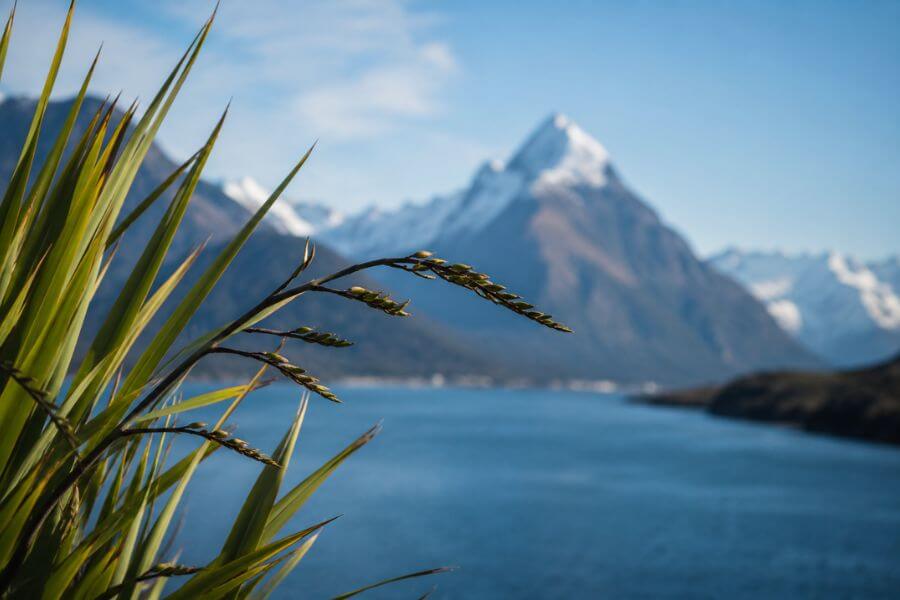
Winter from June to August attracts skiers and snowboarders, especially around Queenstown and Wanaka. Snow-covered mountains create beautiful scenery across the South Island.
Spring from September to November offers blooming flowers, waterfalls, and mild weather. It is ideal if you want fewer tourists and lower prices.
No matter when you visit, pack layers because New Zealand’s weather can change quickly.
3. Is New Zealand Safe for Tourists and Families? 🛡️
New Zealand is widely considered one of the safest countries in the world.
Violent crime rates are relatively low, and locals are generally welcoming and helpful. Solo travellers, families, and couples usually feel comfortable exploring both cities and remote areas.
That said, natural risks are more important than crime risks in New Zealand. Sudden weather changes, strong ocean currents, earthquakes, and mountain conditions require attention.
If you are hiking, always check weather forecasts and trail conditions before heading out. When swimming, choose beaches with lifeguards where possible.
Road safety is also important because many scenic routes involve narrow roads and long drives.
Most visitors have a smooth and enjoyable experience when using common sense and staying aware of outdoor conditions.
4. Can Foreigners Work in New Zealand? 💼
Yes, foreigners can work in New Zealand if they have the correct visa.
The country regularly welcomes skilled workers, seasonal workers, and working holiday travellers. Industries such as healthcare, agriculture, construction, hospitality, and technology often need staff.
Working holiday visas remain very popular among younger travellers who want to earn money while exploring the country.
Skilled migrant pathways also continue to attract professionals looking for long-term opportunities and a better work-life balance.
Before applying, it is important to check current visa requirements because immigration rules can change from year to year.
Many people are drawn to New Zealand because of its relaxed culture, outdoor lifestyle, and slower pace compared with larger countries.
5. How Long Should You Spend in New Zealand? ⏳
Many first-time visitors underestimate how much time they need in New Zealand.
Although the country may look small on a map, travel times are often longer than expected because of winding roads and scenic stops.
A two-week trip is usually the minimum recommended time for seeing both the North and South Islands comfortably. If you only have one week, it is better to focus on one island instead of rushing.
Three to four weeks allows for a more relaxed journey and gives you time to enjoy smaller towns, hiking trails, and hidden beaches.
New Zealand rewards slow travel. The best experiences often happen when you take your time rather than racing between tourist spots.
6. Is Healthcare in New Zealand Good? 🏥
New Zealand has a strong healthcare system that combines public and private services.
Citizens and eligible residents can access public healthcare, while visitors are encouraged to have travel insurance because medical costs can still add up.
Hospitals and clinics are generally modern and reliable, especially in larger towns and cities. Emergency care is widely respected, and the country maintains high medical standards.
One challenge is access in remote areas, where medical facilities may be limited compared with urban centres.
For people considering relocation, healthcare quality is often viewed as one of New Zealand’s biggest strengths.
7. What Language Do People Speak in New Zealand? 🗣️
English is the main language spoken throughout New Zealand.
You will have no trouble communicating in hotels, restaurants, shops, and tourist areas if you speak English. However, New Zealand English includes local slang and a unique accent that may sound different at first.
Te Reo Māori is also an official language and plays an important role in the country’s culture. You will see Māori words used on signs, in schools, and in everyday conversations.
New Zealand Sign Language is the country’s third official language.
Learning a few Māori greetings and place names is appreciated and can make your experience feel more meaningful.
8. Is New Zealand a Good Place to Raise a Family? 👨👩👧
Many people dream about raising children in New Zealand because of its relaxed lifestyle and natural surroundings.
Families often enjoy safer neighbourhoods, outdoor activities, good schooling options, and cleaner air compared with larger cities elsewhere in the world.
Children spend more time outdoors, whether that means beaches, parks, forests, or sports fields. The work-life balance also appeals to parents wanting a slower and healthier routine.
Housing costs can still be challenging, especially in Auckland. Some families choose smaller towns where homes are more affordable and daily life feels calmer.
Overall, New Zealand continues to rank highly for quality of life and family wellbeing.
9. What Is the Weather Like in New Zealand? 🌦️
New Zealand weather is famously unpredictable.
You can experience sunshine, rain, wind, and cold temperatures all in the same day. This is especially true in mountainous regions and coastal areas.
The North Island is generally warmer, while the South Island experiences colder winters and more snow.
Summer temperatures are pleasant rather than extreme, making outdoor adventures comfortable for most travellers.
Rainfall helps create the country’s lush green landscapes, but it also means visitors should always prepare for changing conditions.
Packing waterproof clothing and layers is one of the smartest things you can do before travelling around New Zealand.
10. Is New Zealand Better Than Australia for Travelling? ✈️
This question sparks endless debates online.
New Zealand and Australia offer very different travel experiences, even though they are close neighbours.
New Zealand is often chosen for dramatic scenery, road trips, hiking, adventure sports, and peaceful nature experiences. Distances are shorter, making it easier to see multiple regions during one trip.
Australia offers larger cities, famous beaches, deserts, reef experiences, and warmer weather in many areas.
If you love mountains, fjords, and outdoor adventure, New Zealand may suit you better. If you prefer city life, tropical beaches, and huge landscapes, Australia could be the stronger choice.
Many travellers eventually visit both because each country offers something unique.
Conclusion 🌏
New Zealand continues to capture global attention in 2026 for good reason. It combines breathtaking scenery, welcoming communities, outdoor adventure, and a high quality of life in a way few countries can match.
Whether you are planning your first holiday, considering a move, or simply curious about daily life there, understanding the most searched questions helps you prepare better and travel smarter.
From safety and weather to work opportunities and family life, New Zealand offers experiences that appeal to many different types of people. The key is taking your time, planning carefully, and enjoying the country beyond the usual tourist highlights.
Frequently Asked Questions ❓
Do you need a car to travel around New Zealand?
Having a car or campervan makes travelling much easier, especially if you want to visit remote areas and scenic spots. Public transport exists in larger cities, but rural connections can be limited.
Are there dangerous animals in New Zealand?
New Zealand has very few dangerous animals compared with many other countries. There are no snakes, and serious wildlife risks are extremely rare.
Is tipping expected in New Zealand?
Tipping is not mandatory in New Zealand. Good service is appreciated, but staff are generally paid proper wages, so tipping remains optional.
Can you drink tap water in New Zealand?
Yes, tap water is safe to drink in most areas across the country. Many travellers find the water quality excellent.
Which island is better for first-time visitors?
The South Island is often preferred for dramatic scenery and outdoor adventures, while the North Island offers more cultural attractions and warmer weather. Many visitors try to see both if possible.