Table of Contents
New Zealand is one of the best places in the world for hiking. You can walk through alpine passes, volcanic landscapes, glaciers, rainforests, and mountain ridges that look almost unreal. But while these hikes are beautiful, some of them can also be extremely dangerous if you are unprepared.
Many visitors underestimate New Zealand’s weather, steep terrain, river crossings, and isolation. A track that starts with sunshine can quickly turn into freezing rain, heavy wind, or thick fog. Rescue teams are called out every year because hikers ignored warnings, wore the wrong gear, or pushed beyond their limits.
The good news is that you can still enjoy these incredible trails safely if you plan properly. In this guide, you will discover the 10 most dangerous hikes in New Zealand, what makes them risky, and how to complete them with confidence and care.
Quick Summary Table 🧭
| Hike | Location | Main Danger | Difficulty | Best Safety Tip |
|---|---|---|---|---|
| Mount Ngauruhoe Summit Track | Tongariro National Park | Loose volcanic rock | Hard | Avoid climbing in bad weather |
| Cascade Saddle Route | Mount Aspiring National Park | Steep alpine terrain | Extreme | Only attempt with alpine experience |
| Routeburn Track | South Island | Sudden weather changes | Moderate to Hard | Carry layers year-round |
| Ball Pass Crossing | Aoraki/Mount Cook | Glacier and snow risks | Extreme | Use a guide if inexperienced |
| Tongariro Alpine Crossing | North Island | Exposure and volcanic conditions | Moderate | Start early and check alerts |
| Mueller Hut Route | Aoraki/Mount Cook | Ice and high winds | Hard | Bring proper mountain gear |
| Kepler Track | Fiordland | Storm exposure | Moderate to Hard | Watch weather forecasts closely |
| Rees-Dart Track | Otago | River crossings | Hard | Never cross flooded rivers |
| Milford Track | Fiordland | Heavy rain and slips | Moderate | Prepare for wet conditions |
| Gertrude Saddle Route | Fiordland | Slippery rock and falls | Extreme | Avoid after rain completely |
How We Ranked These Hikes 🥾
We ranked these hikes based on several important safety factors:
- Frequency of accidents and rescue callouts
- Exposure to steep cliffs or dangerous terrain
- Fast-changing mountain weather
- Avalanche, snow, or glacier risks
- Isolation and limited phone reception
- Difficulty of navigation
- River crossing hazards
- Physical fitness required
- Risks for inexperienced hikers
- Overall challenge level compared with average New Zealand walks
1. Mount Ngauruhoe Summit Track 🌋
Mount Ngauruhoe is one of New Zealand’s most famous volcanoes and was used as Mount Doom in the Lord of the Rings films. While the mountain looks incredible, it is also one of the country’s most dangerous day hikes.
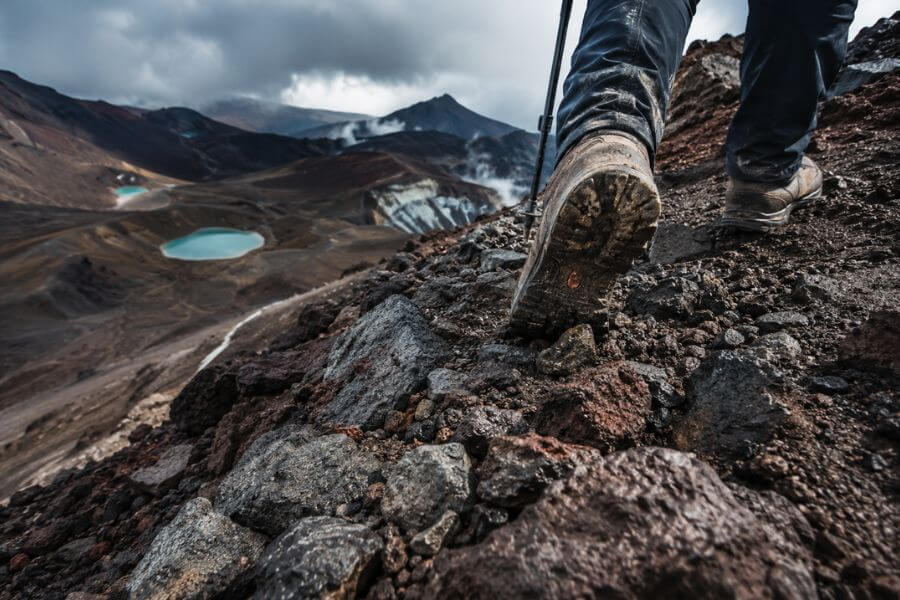
The biggest danger comes from loose volcanic scree. As you climb higher, the ground becomes unstable and slippery. Many hikers fall while descending because the rocks move beneath their feet. The weather can also change quickly, with strong winds and freezing temperatures even during summer.
This hike is physically demanding. The climb is steep almost the entire way, and the altitude makes it harder to breathe. Fog can roll in suddenly and make navigation difficult.
To stay safe, you should wear hiking boots with excellent grip and carry warm, waterproof clothing. Trekking poles help during the descent. Never attempt the summit in poor weather, and do not underestimate how tiring the climb can become.
2. Cascade Saddle Route ⛰️
Cascade Saddle is often described as one of the deadliest hiking routes in New Zealand. Several fatal accidents have occurred here over the years because of steep drop-offs and slippery alpine conditions.
The route crosses dangerous mountain terrain high above Mount Aspiring National Park. There are narrow sections where a single mistake could lead to a serious fall. Heavy rain and snow make the track even more hazardous.
This is not a normal tourist hike. You need strong navigation skills, alpine experience, and confidence in exposed terrain. The weather can trap hikers quickly, especially when visibility disappears.
If you want to attempt Cascade Saddle safely, you should only go during stable weather windows and ideally with experienced hiking partners. Carry emergency communication equipment and leave your trip plans with someone before departing.
3. Routeburn Track 🌲
The Routeburn Track is one of New Zealand’s Great Walks, but many hikers wrongly assume that means it is completely safe. While the track is well maintained, alpine weather can turn dangerous very quickly.
The exposed mountain sections are especially risky during storms or heavy winds. Temperatures can drop suddenly, even in the warmer months. Some hikers become hypothermic because they pack too lightly.
Parts of the trail can also become slippery after rain, especially near waterfalls and rocky steps.
To hike safely, you should carry waterproof gear, thermal clothing, enough food, and emergency supplies. Always check weather updates before starting. Even if the forecast looks good, conditions can still change rapidly in Fiordland and nearby alpine regions.
4. Ball Pass Crossing ❄️
Ball Pass Crossing is one of the toughest alpine routes in New Zealand. It passes through glacier country near Aoraki/Mount Cook and requires serious mountain skills.
The route involves steep snow slopes, rocky ridges, and glacier travel. Falling rocks and ice are constant dangers. During colder months, avalanches are also possible.
This hike should never be treated like a casual day walk. Many parts are unmarked, and navigation can become difficult in poor visibility.
If you do not have glacier or alpine experience, hiring a guide is strongly recommended. You should also carry crampons, an ice axe, and emergency shelter equipment. Weather conditions must be checked carefully before starting.
5. Tongariro Alpine Crossing 🔥
The Tongariro Alpine Crossing is often called the best day hike in New Zealand, but it can also become dangerous due to volcanic activity and harsh weather.
The crossing takes hikers through exposed volcanic terrain with little shelter. Strong winds, freezing rain, and snow are common outside peak summer conditions. Volcanic alert levels can also affect track safety.
Many hikers are caught unprepared because they assume the walk is easy. In reality, the steep climbs and long distances can exhaust people quickly.
To stay safe, start early in the morning and carry extra layers, food, and water. Watch for official volcanic alerts and avoid the crossing during severe weather conditions.
6. Mueller Hut Route 🏔️
The Mueller Hut Route offers stunning views of glaciers and snow-covered peaks, but it is a physically demanding alpine climb.
The track gains elevation quickly, with thousands of steps and steep rocky sections. Strong winds near the hut can knock hikers off balance. During winter, ice and snow make the route much more dangerous.
Even in summer, temperatures can become freezing overnight. Some hikers underestimate how exposed the route becomes above the tree line.
You should wear proper hiking boots and carry warm clothing, gloves, and waterproof layers. If snow or ice is present, alpine gear and experience are essential.
7. Kepler Track 🌧️
The Kepler Track is another famous Great Walk, but Fiordland’s weather makes it more dangerous than many people expect.
Heavy rain can arrive suddenly and create slippery conditions across the alpine ridges. Strong winds are common near the summit sections, especially around Luxmore Saddle.
The long hiking days can also wear people down physically, increasing the chance of mistakes or injuries.
To hike safely, pace yourself and avoid rushing. Carry spare dry clothing because wet conditions are common year-round. Make sure someone knows your itinerary before you begin.
8. Rees-Dart Track 🌊
The Rees-Dart Track is beautiful but challenging, especially after rain. River crossings are the main danger here.
New Zealand rivers can rise incredibly fast after storms, turning safe crossings into deadly hazards within hours. Every year, hikers are rescued after attempting to cross flooded rivers.
The track is also remote, which means help may take time to arrive if something goes wrong.
The safest approach is patience. Never cross a fast-flowing river, even if other people are doing it. If conditions look dangerous, wait or turn back. Carry emergency supplies and extra food in case you become delayed.
9. Milford Track 💦
The Milford Track is world famous for its waterfalls and rainforest scenery, but Fiordland receives enormous amounts of rain every year.
Heavy rainfall can cause landslides, slippery surfaces, and flooded sections along the track. Even experienced hikers can struggle during severe weather.
Sandflies are another challenge. While not dangerous, they can make the experience uncomfortable if you are unprepared.
You should bring high-quality rain gear and waterproof bags for your equipment. Hiking poles can help with balance on muddy sections. Allow extra time because conditions may slow your pace significantly.
10. Gertrude Saddle Route ⚠️
Gertrude Saddle is one of the most dangerous hikes in New Zealand because of its steep rock slabs and exposure.
The route becomes extremely slippery after rain. Several hikers have died here after falling on wet rock surfaces. There are also sections where you need to scramble using your hands.
Unlike many tracks, this route has little protection from the weather. Strong winds and fog can make the saddle very dangerous.
The safest choice is to avoid this hike completely during wet weather. Start early, wear shoes with excellent grip, and turn around if conditions feel unsafe. No photo is worth risking your life.
Conclusion 🌏
New Zealand offers some of the most breathtaking hiking experiences on Earth, but its landscapes demand respect. Many of these dangerous hikes are unforgettable adventures when approached carefully and responsibly.
The biggest mistake hikers make is underestimating nature. Good preparation, proper equipment, weather awareness, and honest self-assessment can make the difference between an incredible journey and a serious emergency.
Before attempting any difficult hike, research the conditions, know your limits, and never ignore safety warnings. If you take the right precautions, you can safely experience some of New Zealand’s most dramatic and rewarding landscapes.
Frequently Asked Questions ❓
Do you need hiking experience for the dangerous New Zealand hikes?
Yes, many of these hikes require strong fitness and previous hiking experience. Some routes, especially alpine tracks, may also require navigation and mountaineering skills.
What is the safest season for hiking in New Zealand?
Summer is usually the safest season because the weather is more stable and the snow conditions are lighter. However, mountain weather can still change quickly at any time of year.
Are guided hikes worth it in New Zealand?
Guided hikes are a smart option for difficult or technical routes. Local guides understand weather patterns, terrain risks, and emergency procedures.
What should you always carry on a New Zealand hike?
You should carry waterproof clothing, warm layers, food, water, a first aid kit, navigation tools, and an emergency communication device if possible.
How common are hiking rescues in New Zealand?
Rescues happen regularly, especially when hikers underestimate weather conditions, river crossings, or alpine terrain. Proper preparation greatly reduces your risk.