Table of Contents
New Zealand is one of those rare places where every season feels completely different depending on where you go. You can spend summer days swimming at golden beaches in the far north, then drive south and find snow-covered mountains perfect for skiing. Because the country stretches across two large islands with changing landscapes, timing your trip properly can make a huge difference.
If you visit the right place at the right time, you will enjoy better weather, fewer crowds, lower prices, and experiences that feel far more memorable. This guide helps you figure out the best times of year to explore different parts of New Zealand so you can plan a trip that suits your travel style.
Quick Summary Table 🧭
| Destination or Region | Best Time to Visit | Why It’s Ideal |
|---|---|---|
| Bay of Islands | December to March | Warm beaches and water activities |
| Auckland | February to April | Sunny weather with fewer crowds |
| Rotorua | March to May | Cooler temperatures and autumn colours |
| Wellington | November to March | Better weather and festival season |
| Abel Tasman National Park | December to February | Best kayaking and beach conditions |
| Queenstown | June to August | Ski season and snowy scenery |
| Fiordland | February to April | Clearer skies and fewer rain days |
| Canterbury | September to November | Spring flowers and outdoor adventures |
| Dunedin and Otago | April to June | Wildlife viewing and autumn landscapes |
| Mount Cook Region | May to September | Crisp skies and mountain views |
How We Ranked These Destinations ⭐
We chose these destinations and seasons based on several important travel factors:
- Weather conditions and temperature
- Crowd levels during peak and off-peak periods
- Seasonal activities available
- Scenic value during different times of year
- Wildlife viewing opportunities
- Road trip and hiking conditions
- Overall value for money
- Local events and atmosphere
- Accessibility and travel convenience
- Chances of enjoying clear skies and good visibility
1. Bay of Islands in Summer ☀️
The Bay of Islands shines brightest during the New Zealand summer from December through March. This region in the far north enjoys some of the country’s warmest weather, making it perfect for beach lovers and water activities.
During summer, you can swim comfortably, go sailing, snorkel in clear water, or spend lazy afternoons relaxing on quiet beaches. The long daylight hours also give you more time to explore nearby islands and coastal towns.
Summer is especially good if you want that classic New Zealand beach holiday feel. Cafes stay busy late into the evening, boat tours run daily, and the whole region feels lively and welcoming.
The downside is that this is peak travel season. Accommodation prices rise quickly, especially around Christmas and school holidays. Booking early can save you both stress and money.
If you enjoy warm weather, outdoor dining, and ocean adventures, summer is easily the best time to visit the Bay of Islands.
2. Auckland in Late Summer and Early Autumn 🌆
Auckland is enjoyable year-round, but February to April offers the best balance between great weather and manageable crowds.
By late summer, the city is still warm enough for beaches and harbour cruises, but the intense holiday rush begins to calm down. You can enjoy outdoor markets, waterfront walks, and nearby island day trips without dealing with packed tourist areas.
Autumn also brings slightly cooler evenings, which makes exploring the city more comfortable. This is a great time to hike volcanic cones, visit wineries on Waiheke Island, or explore neighbourhoods filled with cafes and local shops.
Rainfall is usually lower during this period compared to winter, and flights can sometimes become more affordable once the main holiday season ends.
For travellers who want both city life and easy outdoor adventures, Auckland during late summer feels relaxed and balanced.
3. Rotorua During Autumn 🍂
Rotorua becomes especially beautiful from March to May when autumn colours begin appearing around lakes and forests.
The cooler temperatures make it much easier to enjoy geothermal parks, hot pools, and outdoor walks without the intense summer heat. Steam rising through chilly morning air gives the whole region an almost magical feeling.
Autumn is also excellent for mountain biking in the nearby Redwoods Forest. Trails are less dusty, temperatures stay comfortable, and the scenery becomes more colourful.
Another big advantage is smaller crowds. Rotorua can become busy during school holidays, but autumn often feels calmer and easier to explore at your own pace.
If you enjoy nature, culture, and relaxing experiences, autumn offers a fantastic mix of comfort and scenery in Rotorua.
4. Wellington from November to March 🎭
Wellington has a reputation for windy weather, but the warmer months between November and March usually bring calmer conditions and a more energetic atmosphere.
This is festival season in New Zealand’s capital city. Outdoor events, food festivals, live music, and waterfront activities become much more common during these months.
The city’s cafe culture also thrives in summer. You can spend time walking along the harbour, visiting museums, or taking short hikes to scenic viewpoints without battling cold winter rain.
Wellington is a compact city, so pleasant weather makes a huge difference to your experience. Long sunny evenings help the city feel lively and social.
Because Wellington sits between the North and South Islands, it also works well as a stop during a longer road trip through the country.
5. Abel Tasman National Park in High Summer 🛶
Abel Tasman National Park is best experienced between December and February when sunshine, warm temperatures, and calm seas create ideal conditions for outdoor adventures.
This coastal national park is famous for golden beaches, turquoise water, and scenic hiking tracks. Summer gives you the best chance of enjoying kayaking trips, boat cruises, and swimming stops along the coast.
The Abel Tasman Coast Track is also much more enjoyable during stable summer weather. You can hike sections of the trail while stopping at beautiful beaches throughout the day.
Water taxis operate more frequently during summer, making it easier to customise your trip. Campsites and lodges fill quickly, though, so planning ahead is important.
If your dream New Zealand holiday includes sunshine, beaches, and outdoor exploration, this is one of the best summer destinations in the country.
6. Queenstown in Winter 🎿
Queenstown completely transforms during winter from June to August. Snow covers nearby mountains, ski fields open, and the town becomes a hub for winter sports and cosy alpine holidays.
This is the perfect season for skiing, snowboarding, and scenic mountain experiences. Nearby resorts like Coronet Peak and The Remarkables attract visitors from around the world.
Even if you do not ski, winter still offers plenty to enjoy. Snow-covered landscapes create stunning lake views, while restaurants and bars become warm places to relax after a day outdoors.
Winter also gives Queenstown a lively atmosphere. The town feels energetic, especially during school holidays and major ski events.
Temperatures can drop well below freezing at night, so packing warm clothing is essential. Roads may also become icy in some mountain areas.
For travellers who love snow scenery and winter adventures, Queenstown is unbeatable during the colder months.
7. Fiordland in Late Summer and Early Autumn 🚢
Fiordland is famous for dramatic landscapes and heavy rainfall, so choosing the right season matters a lot. February to April usually provides some of the clearest conditions.
During this period, waterfalls still flow strongly, but rain tends to ease slightly compared to other times of year. This improves visibility across places like Milford Sound and Doubtful Sound.
Cruises become far more enjoyable when you can actually see the towering cliffs and mountain peaks surrounding the fiords. Hiking tracks are also easier to access with more stable weather.
Late summer and early autumn bring cooler temperatures without the freezing conditions of winter. The scenery feels quieter, too, because peak holiday crowds start fading.
Fiordland weather changes quickly year-round, but these months often give you the best balance between scenery and comfort.
8. Canterbury in Spring 🌼
Spring from September to November is a fantastic time to explore Canterbury and the central South Island.
After winter snow begins melting, the region fills with green fields, colourful flowers, and fresh mountain scenery. Lambs appear across rural farms, giving the countryside a classic New Zealand feel.
Spring is also excellent for outdoor activities because temperatures stay mild without the intense summer heat. Hiking, cycling, and road trips become far more comfortable.
The Canterbury region includes Christchurch, alpine areas, and beautiful coastal routes. During spring, gardens bloom beautifully and mountain lakes often look incredibly bright from fresh snowmelt.
This season is ideal if you prefer fewer crowds while still enjoying pleasant weather and scenic drives.
9. Dunedin and Otago in Autumn 🐧
Dunedin and the Otago region are particularly special from April to June.
Autumn colours spread through parks, hills, and vineyards, creating some of the South Island’s most underrated scenery. Cooler temperatures also make wildlife experiences more comfortable.
This area is famous for penguins, sea lions, and albatross colonies. During autumn, wildlife tours often feel quieter and more personal compared to busy summer periods.
Central Otago vineyards become especially beautiful as leaves change colour. Food and wine experiences also feel more relaxed outside peak tourist months.
Autumn weather can vary, but crisp mornings and golden afternoon light create fantastic photography conditions.
For travellers who enjoy wildlife, history, and slower-paced travel, autumn in Otago feels incredibly rewarding.
10. Mount Cook Region from May to September 🏔️
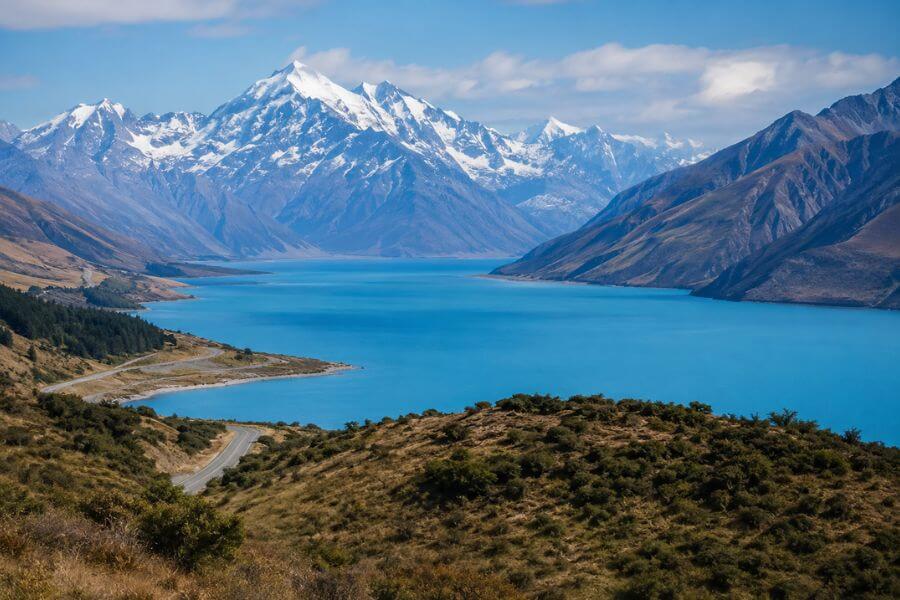
The Mount Cook region offers some of New Zealand’s most dramatic alpine scenery, especially between May and September.
Winter and early spring bring snowy peaks, icy blue lakes, and crisp, clear skies. These conditions make mountain views feel even more impressive.
Cold air often creates excellent visibility, which is ideal for photography and stargazing. The Aoraki Mackenzie region is internationally known for dark sky viewing, and winter nights can be spectacular.
Popular walking tracks remain accessible during many parts of winter, although conditions can become icy at higher elevations. Guided glacier tours also become popular during this season.
Accommodation prices sometimes drop outside major holiday periods, making winter surprisingly good value for such an iconic destination.
If you love mountains and dramatic landscapes, this region is unforgettable during the colder months.
Conclusion ✈️
New Zealand changes dramatically throughout the year, which means there is never one perfect season for the entire country. The best time to visit really depends on what kind of experience you want.
Summer is excellent for beaches, coastal adventures, and national parks. Autumn brings beautiful colours and calmer travel conditions. Winter is ideal for snow sports and alpine scenery, while spring offers fresh landscapes and fewer crowds.
By matching the right destination with the right season, you can enjoy a more comfortable, scenic, and memorable trip. Whether you want sunny coastlines, mountain snow, wildlife encounters, or peaceful road trips, New Zealand has a perfect season waiting for you.
Frequently Asked Questions ❓
Is New Zealand better in summer or winter?
It depends on your travel style. Summer is better for beaches, hiking, and road trips, while winter is ideal for skiing and snowy mountain scenery.
Which month has the best weather in New Zealand?
February is often considered one of the best months because temperatures are warm, rainfall is lower in many regions, and summer conditions are still strong.
When is the cheapest time to visit New Zealand?
Late autumn and winter outside ski season are usually cheaper. Flights and accommodation prices often drop between May and early September.
Is spring a good time for hiking in New Zealand?
Yes, spring is excellent for many hiking areas. Temperatures are mild, landscapes look fresh and green, and popular trails are usually less crowded than in summer.
Do I need to book accommodation early during the summer?
Yes. December through February is peak travel season in New Zealand, especially around Christmas and school holidays. Booking early is strongly recommended.