Table of Contents
When you visit New Zealand for the first time, you probably expect stunning mountains, friendly locals, and plenty of outdoor adventures. What often surprises visitors most, though, are the unique traditions and everyday customs that make the country feel different from almost anywhere else in the world.
From taking your shoes off before entering someone’s home to enjoying a classic Kiwi barbecue on the beach, these traditions are deeply connected to local culture, Māori heritage, and the laid-back lifestyle many New Zealanders love. Some customs may seem unusual at first, but once you understand them, they can make your trip feel far more personal and memorable.
In this guide, you’ll discover 10 New Zealand traditions that regularly surprise first-time visitors and learn why locals value them so much.
Quick Summary Table 🧭
| # | Tradition | Why It Surprises Visitors |
|---|---|---|
| 1 | Taking shoes off indoors | Many homes expect barefoot living |
| 2 | The haka before events | Powerful Māori performance culture |
| 3 | Barefoot shopping | People casually walk barefoot in public |
| 4 | Shared fish and chips by the beach | Relaxed dining culture outdoors |
| 5 | BYO restaurants | Bringing your own wine is common |
| 6 | Christmas in summer | BBQs and beaches instead of snow |
| 7 | Strong rugby culture | Rugby feels almost like a national identity |
| 8 | The hangi tradition | Food cooked underground using heated stones |
| 9 | Friendly chats with strangers | Casual conversations happen everywhere |
| 10 | The “bring a plate” custom | Guests bring food to gatherings |
How We Ranked These Traditions 🏆
We ranked these traditions based on the following key factors:
- How surprising they are to first-time visitors
- How common they are across New Zealand
- Their importance in Kiwi culture
- Their connection to Māori traditions and local identity
- How likely you are to experience them during your visit
- How memorable they are for travellers
- Their influence on everyday life in New Zealand
1. Taking Your Shoes Off Indoors 👟
One of the first things that may surprise you in New Zealand is how common it is to remove your shoes before entering someone’s home. Many Kiwi households prefer clean floors and relaxed indoor living, especially because carpets are very common.
You might notice a pile of shoes near the front door. That is usually your clue to take yours off too. Even if the host says nothing, following this custom is seen as polite and respectful.
For some visitors, especially those from countries where shoes indoors are normal, this can feel unusual at first. In New Zealand, though, it is simply part of everyday life.
You may even see children running around barefoot inside and outside without anyone thinking twice about it.
2. The Haka Before Major Events 🔥
The haka is one of the most famous traditions in New Zealand, yet many first-time visitors are still shocked by how emotional and powerful it feels in person.
Originally a Māori ceremonial dance, the haka includes chanting, stomping, fierce facial expressions, and rhythmic movements. While many people know it from rugby matches, haka performances also happen at weddings, funerals, graduations, and community events.
Watching a haka live can be intense and moving. It is not simply entertainment. It represents pride, unity, respect, and storytelling.
Visitors often expect a sports performance and instead experience something deeply cultural and unforgettable.
3. People Walking Barefoot in Public 🦶
You may think you are imagining things the first time you see someone barefoot inside a supermarket or petrol station. In many parts of New Zealand, especially smaller towns and beach communities, walking barefoot in public is surprisingly normal.
Locals often go without shoes after surfing, swimming, or simply because it feels comfortable. Nobody pays much attention to it.
Visitors are often shocked because this would seem strange or unhygienic in many countries. In New Zealand, however, it reflects the relaxed and outdoorsy lifestyle that many Kiwis enjoy.
You do not need to copy the tradition yourself, but you should not be surprised if you see it regularly.
4. Fish and Chips at the Beach 🐟
In New Zealand, fish and chips is more than takeaway food. It is a social tradition.
Families and friends often grab fresh fish and chips and head straight to the beach, a park, or a waterfront area to eat together. Instead of formal dining, many locals prefer simple outdoor meals with great scenery.
Seagulls hovering nearby are almost part of the experience.
For visitors, the surprise is often how casual and community-focused the tradition feels. Expensive restaurants are not always the centre of social life here. Sometimes the best evenings involve sitting on a bench near the ocean with a paper-wrapped meal and watching the sunset.
5. BYO Restaurants 🍷
Many first-time visitors are surprised by the popularity of BYO restaurants in New Zealand.
BYO stands for “bring your own”, usually meaning wine. Instead of buying drinks from the restaurant, you bring your own bottle and pay a small corkage fee.
This tradition became popular partly because dining out with alcohol can be expensive. It also creates a more relaxed atmosphere where groups can enjoy their favourite wine without overspending.
For travellers unfamiliar with the concept, arriving at dinner carrying a bottle of wine can feel unusual at first. Once you try it, though, you may wish more countries did the same thing.
6. Christmas Happens in Summer ☀️
If you visit New Zealand during December, Christmas can feel completely upside down.
Instead of cold weather, snow, and heavy winter meals, you will find sunshine, beaches, camping trips, and outdoor barbecues. Many people spend Christmas Day swimming, boating, or relaxing outside.
Traditional Christmas foods still exist, but they are often served alongside fresh seafood, salads, and chilled drinks.
Visitors from Europe or North America are often surprised by seeing Santa decorations next to people wearing shorts and jandals.
The warm weather gives Christmas a very different atmosphere that feels uniquely Kiwi.
7. Rugby Is Everywhere 🏉
You do not need to be a sports fan to notice how important rugby is in New Zealand.
Matches are discussed at schools, workplaces, pubs, and family gatherings. Children often start playing from a young age, and many towns strongly support their local teams.
The national team, the New Zealand national rugby union team, is especially respected. Their matches can bring entire communities together.
Visitors are often surprised by how deeply rugby connects to national identity. Even people who rarely watch other sports may passionately follow rugby.
If you visit during a major match, expect packed venues, loud celebrations, and plenty of friendly debate.
8. The Hangi Cooking Tradition 🍠
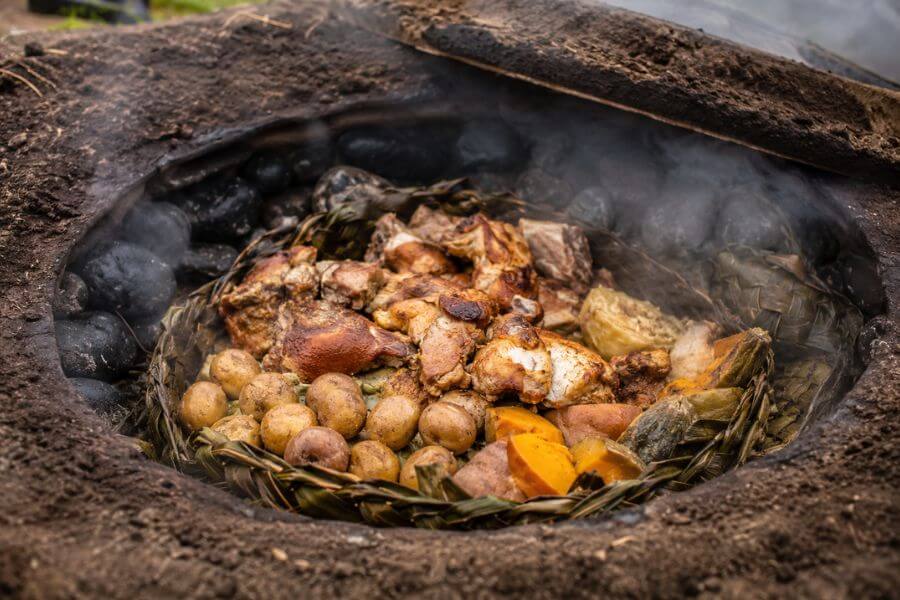
A hangi is a traditional Māori method of cooking food underground using heated stones.
Meat, vegetables, and stuffing are placed into baskets and slowly cooked beneath the earth for several hours. The result is tender food with a smoky flavour that many visitors remember long after their trip.
Experiencing a hangi is about more than eating. It is also about gathering people together, sharing stories, and celebrating culture.
For first-time visitors, the underground cooking method itself is often fascinating. Watching food emerge from the earth, still steaming, feels both ancient and communal.
Many cultural centres and special events across New Zealand offer hangi experiences.
9. Strangers Often Start Conversations 😊
In many countries, talking to strangers in public can feel unusual. In New Zealand, casual conversations happen all the time.
You may find yourself chatting with someone at a café, on a walking track, or while waiting in line at a shop. Locals often greet people naturally and ask simple, friendly questions.
This openness can surprise visitors from larger cities where people tend to keep to themselves.
Kiwi friendliness is usually genuine rather than formal. Conversations often feel relaxed and informal instead of forced.
You may arrive expecting reserved behaviour and leave remembering how welcoming people were.
10. “Bring a Plate” Does Not Mean an Empty Plate 🍽️
One tradition that confuses many visitors is the phrase “bring a plate”.
If someone invites you to a barbecue or gathering and says this, they are not asking you to bring an actual empty plate. They mean you should bring a dish of food to share with everyone.
This could be salad, dessert, snacks, or something homemade.
First-time visitors often misunderstand the phrase completely, which can create funny moments. Once you understand it, though, you realise how strongly New Zealand culture values sharing and community meals.
It also makes social gatherings feel less formal and more welcoming.
Conclusion 🌿
The traditions in New Zealand are part of what makes the country feel warm, relaxed, and unforgettable. Some customs may seem surprising at first, especially if you are visiting from a very different culture, but most quickly start to feel natural once you spend time with locals.
Whether you are watching a haka, enjoying fish and chips by the beach, or learning what “bring a plate” really means, these traditions give you a deeper understanding of Kiwi life.
The best approach is to stay open-minded, curious, and respectful. You may discover that the traditions which surprise you most become your favourite memories from the trip.
Frequently Asked Questions ❓
Is it rude not to take your shoes off in a New Zealand home?
It can be seen as impolite in some homes, especially if shoes are already left near the entrance. If you are unsure, simply ask the host what they prefer.
Are Māori traditions part of everyday life in New Zealand?
Yes, Māori culture is an important part of New Zealand identity. You will see Māori language, art, performances, and customs throughout the country.
Why do New Zealanders call themselves Kiwis?
“Kiwis” comes from the kiwi bird, a unique native bird of New Zealand. The nickname has become a proud and widely used term for New Zealanders.
What are jandals in New Zealand?
Jandals are what Australians usually call thongs or flip flops. They are extremely popular during the summer.
Do tourists get invited to traditional hangi meals?
Yes, many cultural experiences and local events welcome visitors. Some Māori communities and tourism centres offer authentic hangi meals as part of cultural programmes.