Table of Contents
Tiny homes are no longer just a trend in New Zealand. For many people, they have become a smarter and more flexible way to live. Rising house prices, changing lifestyles, and a growing focus on sustainability have pushed more Kiwis to rethink what a home really needs to be. Instead of large houses with big mortgages, many people are choosing smaller spaces that feel simpler, more affordable, and easier to manage.
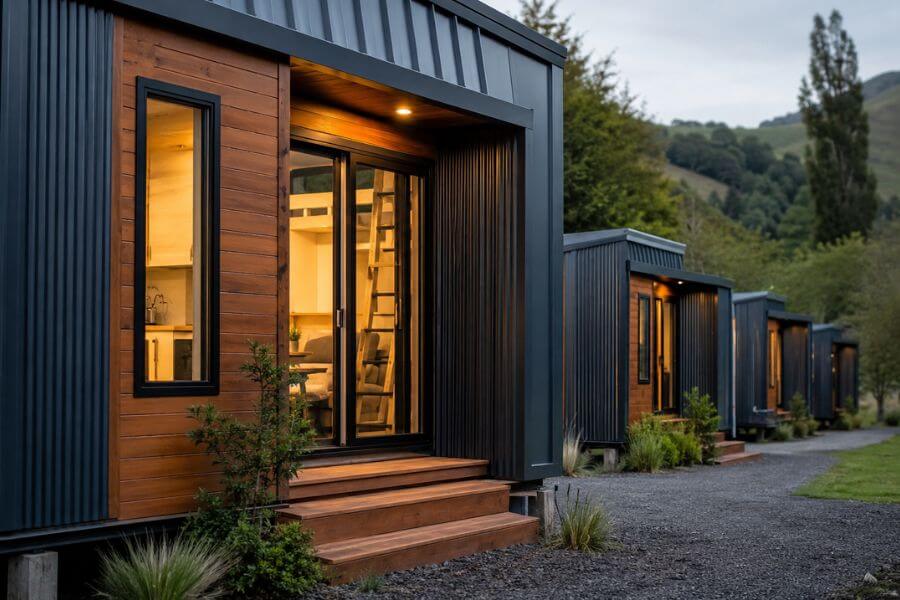
Across New Zealand, tiny home communities are popping up in beautiful rural settings, beach towns, eco villages, and lifestyle blocks. These communities offer more than just a place to park a small house. They create a sense of connection, shared living, and a slower pace that many people crave today.
If you are curious about downsizing, living sustainably, or finding a different way of life, these tiny home communities show how people are redefining modern living in creative and practical ways.
Quick Summary Table 🏡
| Community | Location | Best Known For | Lifestyle Style |
|---|---|---|---|
| Riverhead Tiny Home Village | Auckland Region | Close to city life | Semi urban |
| The Village at Ohaupo | Waikato | Friendly community vibe | Rural community |
| Tiny House Hub Canterbury | Canterbury | Affordable land sharing | Lifestyle living |
| Golden Bay Eco Village | Tasman Region | Sustainable living focus | Eco community |
| Raglan Tiny Living Collective | Waikato | Surf and creative culture | Coastal lifestyle |
| Coromandel Tiny Retreats | Coromandel Peninsula | Family-friendly atmosphere | Bush lifestyle |
| Wanaka Tiny Home Spaces | Otago | Scenic mountain setting | Adventure lifestyle |
| Taranaki Small Living Village | Taranaki | Warm climate and self-sufficiency | Community living |
| Far North Tiny Home Settlement | Northland | Off-grid lifestyle | Eco-conscious shared spaces |
| Nelson Shared Living Project | Nelson | Eco conscious shared spaces | Sustainable urban fringe |
How We Ranked These Tiny Home Communities 🧭
We looked at several important factors when choosing the communities on this list:
- Community atmosphere and neighbour connection
- Access to essential services and shops
- Natural surroundings and scenery
- Sustainability and eco-friendly features
- Affordability and flexibility
- Lifestyle opportunities and local culture
- Popularity among tiny home owners
- Space for gardens, pets, and outdoor living
- Long-term living potential
- Overall quality of life
1. Riverhead Tiny Home Village 🌳
Located on the edge of Auckland, Riverhead Tiny Home Village gives you the chance to enjoy tiny living without moving too far away from city opportunities. This community attracts professionals, couples, and retirees who want lower living costs while still being close to work, schools, and entertainment.
The village has a relaxed lifestyle feel with shared outdoor areas, vegetable gardens, and community gatherings. Residents often enjoy weekend markets, nearby wineries, and forest walks. One of the biggest advantages is convenience. You can enjoy a peaceful environment without feeling isolated from urban life.
The homes here are modern and thoughtfully designed. Many include solar systems, rainwater collection, and smart storage features. The community encourages a low-waste lifestyle while still offering comfort and practicality.
If you want a balance between city access and quiet living, this is one of the strongest options in New Zealand.
2. The Village at Ohaupo 🌞
In the Waikato region, The Village at Ohaupo has become popular among people looking for a true sense of community. Residents often describe the atmosphere as welcoming and supportive, with neighbours regularly helping each other.
The area itself offers green farmland, quiet roads, and a slower pace of life. Tiny homes here are arranged in a way that gives privacy while still encouraging social interaction. Shared spaces include outdoor kitchens, fire pit areas, and community gardens.
One reason people love this village is affordability. Living costs are lower than in many major centres, which allows residents to focus more on experiences instead of mortgage stress.
The village also attracts people interested in sustainable living practices like composting, growing food, and reducing power use. It feels less like a housing development and more like a lifestyle shift.
3. Tiny House Hub Canterbury 🌾
Canterbury has seen a strong rise in tiny home popularity, and Tiny House Hub Canterbury reflects this growing movement. The community focuses on practical living, affordable space rentals, and flexible setups for different types of tiny homes.
This area appeals to young families, remote workers, and retirees who want more freedom without giving up comfort. The open landscapes and peaceful environment create a calming daily experience.
Residents often customise their outdoor spaces with gardens, decks, and small greenhouses. Community members also organise local events, shared meals, and skill-swapping workshops.
The nearby towns provide easy access to supermarkets, schools, and healthcare while still allowing you to enjoy a quieter lifestyle away from crowded city suburbs.
4. Golden Bay Eco Village 🌊
Golden Bay has long been known for alternative lifestyles and environmentally conscious living. Its eco village community is one of the most inspiring examples of tiny home culture in New Zealand.
Life here revolves around sustainability, creativity, and community support. Many homes are built using recycled materials or natural products. Solar energy, compost toilets, and permaculture gardens are common throughout the area.
Residents value simplicity and connection to nature. Days often involve gardening, outdoor activities, or community projects. The area attracts artists, remote workers, and people seeking a healthier lifestyle.
The scenery also adds to the appeal. Beaches, forests, and mountain views surround the community, creating a peaceful atmosphere that feels far removed from modern stress.
5. Raglan Tiny Living Collective 🏄
Raglan is famous for surfing, creativity, and laid-back coastal living. The Raglan Tiny Living Collective reflects that same relaxed spirit.
The community has become especially popular among younger residents who want flexibility and freedom. Tiny homes here often feature stylish designs, natural wood interiors, and large outdoor decks that suit the coastal climate.
Many people living in the collective work remotely, run small businesses, or focus on creative careers. The sense of independence is strong, but there is also a supportive social atmosphere.
You can spend mornings surfing, afternoons working from home, and evenings sharing meals with neighbours. For people wanting a lifestyle focused on experiences instead of material things, Raglan offers a unique balance.
6. Coromandel Tiny Retreats 🌲
The Coromandel Peninsula has always attracted people looking for natural beauty and peaceful living. Coromandel Tiny Retreats takes that lifestyle to another level with tiny homes hidden among bushland and coastal scenery.
This community is ideal if you enjoy privacy and outdoor living. Many homes are designed for off-grid living, with solar systems and rainwater tanks supporting daily life.
The slower pace allows residents to disconnect from constant noise and spend more time outdoors. Fishing, hiking, kayaking, and gardening are part of everyday life here.
Even though the community feels remote, residents still maintain strong social connections through shared projects and gatherings. It is a place where people often discover how little space they truly need to feel comfortable and happy.
7. Wanaka Tiny Home Spaces 🏔️
Wanaka is one of New Zealand’s most beautiful regions, and tiny home living there offers a lifestyle centred around adventure and nature.
Residents enjoy incredible mountain views, lakeside activities, and access to outdoor sports all year round. Many people living in this community are outdoor enthusiasts who prefer spending money on experiences rather than large homes.
Tiny houses here are often designed with clever insulation and heating systems to handle colder weather. Large windows and smart layouts help maximise natural light and scenery.
The sense of freedom attracts both younger professionals and retirees. Living smaller allows people to spend more time skiing, hiking, biking, and travelling without the pressure of maintaining a large property.
8. Taranaki Small Living Village 🌺
Taranaki has become increasingly attractive for people wanting affordable living combined with strong community values. The Small Living Village in the region focuses on family-friendly tiny living with practical shared spaces.
The community includes play areas, gardens, and shared outdoor facilities that encourage interaction among residents. Many families choose this village because it offers children more outdoor freedom and stronger neighbour connections.
The region itself provides a good balance between town convenience and natural beauty. Beaches, parks, and mountain scenery are all within easy reach.
Residents often say the lifestyle feels healthier and less stressful compared to traditional suburban living. The focus is on connection, sustainability, and making daily life simpler.
9. Far North Tiny Home Settlement 🌴
Northland’s warm climate makes it a natural fit for tiny home living. The Far North Tiny Home Settlement attracts people seeking self-sufficient lifestyles, lower living costs, and year-round outdoor living.
This community strongly embraces off-grid systems. Solar power, food gardens, water tanks, and composting systems are common throughout the settlement.
Life moves at a slower pace here. Residents often spend time growing food, fishing, or working on creative projects. The tropical atmosphere creates a relaxed feeling that many people find refreshing.
Because the climate is mild, outdoor spaces become an extension of the home itself. Decks, outdoor kitchens, and garden areas play a major role in daily life.
10. Nelson Shared Living Project 🍃
Nelson has developed a strong reputation for eco-conscious living and creative communities. The Nelson Shared Living Project combines tiny homes with collaborative spaces designed to encourage social connection and sustainability.
Residents share gardens, workshops, and community facilities while still maintaining private living areas. This setup helps reduce costs and encourages a stronger sense of belonging.
The area attracts a mix of artists, remote workers, retirees, and environmentally minded families. Many people enjoy the balance between independence and community support.
Nelson’s sunny climate and active local culture also add to the appeal. Farmers markets, cycling paths, and outdoor recreation opportunities make daily life enjoyable and active.
Conclusion 🌈
Tiny home communities in New Zealand are changing the way people think about housing, money, and lifestyle. Instead of focusing on bigger houses and larger mortgages, many people are choosing simpler living that gives them more freedom and less stress.
These communities show that living small does not mean sacrificing comfort or happiness. In many cases, it creates stronger connections, lower costs, and a healthier balance between work and personal life.
Whether you want coastal living, mountain scenery, eco-friendly practices, or a close-knit community, New Zealand offers a growing number of tiny home options that suit different lifestyles. The movement continues to grow because more people are discovering that a smaller home can often lead to a bigger life.
Frequently Asked Questions ❓
Are tiny homes legal in New Zealand?
Yes, tiny homes are legal in New Zealand, but the rules depend on where you place them. Local council regulations, building codes, and land use rules can vary between regions.
How much does a tiny home cost in New Zealand?
Prices can range from around NZD $80,000 to over NZD $200,000, depending on the size, materials, and features included.
Can you live permanently in a tiny home community?
Many communities allow permanent living, while others may only permit short-term stays or require special approvals. It is important to check local regulations before committing.
Do tiny home communities usually allow pets?
Some communities are pet-friendly, especially rural and lifestyle-based developments. Others may have restrictions on the number or type of pets allowed.
Are tiny homes good for families?
Yes, some families live very comfortably in tiny homes, especially when the layout is designed well. Communities with shared outdoor areas can make family living much easier and more enjoyable.