Key Takeaways
- Fading hyperpigmentation requires a multi-pathway approach because dark spots form through several distinct steps in your skin cells.
- Tyrosinase inhibitors like vitamin C, alpha arbutin, and kojic acid stop the initial production of excess pigment.
- Melanin-transfer blockers like niacinamide prevent existing pigment from reaching the top layer of your skin.
- Exfoliating acids and retinoids speed up skin cell turnover, helping to shed dark spots that are already visible on your face.
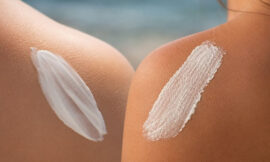
- Daily application of broad-spectrum sunscreen with an SPF of 30 or higher is non-negotiable, as UV light immediately restarts pigment production.
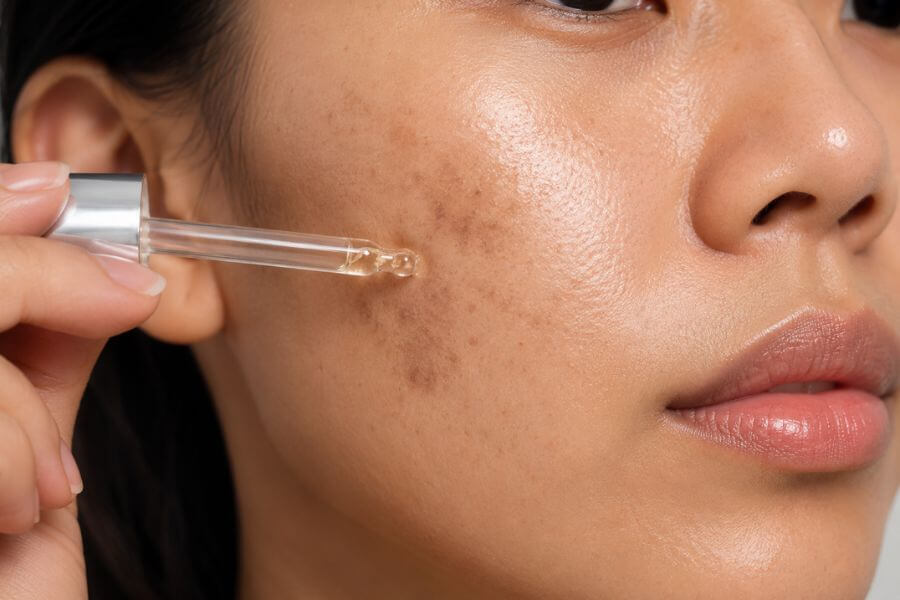
Waking up to find uneven patches, stubborn sun spots, or dark marks left behind by old blemishes can feel incredibly frustrating. You want a bright, clear, and even complexion, but the world of skincare products looks overwhelming with endless bottles promising fast results. To truly clear up these stubborn dark patches, you must understand exactly which ingredients work, how they target pigment at the source, and how to combine them safely. This comprehensive guide breaks down the absolute best skincare ingredients to fade hyperpigmentation, helping you build a targeted routine that delivers a radiant glow.
Understanding Hyperpigmentation: How Dark Spots Form
Before you start slathering products onto your face, you need to understand what you are fighting. Your skin color comes from a natural pigment called melanin. When your skin gets triggered by sun exposure, hormonal shifts, heat, or physical injuries like a pimple, it goes into defense mode. This defense mode causes your skin to produce too much pigment in concentrated areas, leaving you with flat, darkened patches.
What Is Melanin?
Melanin is created by specialized cells called melanocytes, which sit deep at the bottom of your outer skin layer. Think of these cells as tiny pigment factories. Under normal conditions, they produce just enough pigment to give your skin its natural tone. However, when these factories receive stress signals, they go into overdrive. They begin pumping out a massive amount of pigment packets, which then travel upward into your visible skin cells. This uneven distribution is exactly what you see in the mirror as a dark spot.
The Role of Tyrosinase
Deep inside those pigment factories sits an enzyme called tyrosinase. This enzyme acts as the main switch that turns on pigment production. Without tyrosinase, your skin cannot create melanin. Most brightening skincare ingredients focus heavily on this single enzyme. By blocking or slowing down tyrosinase, these ingredients flip the switch to the off position, preventing new dark spots from forming in the first place.
The Journey to the Surface
Once the pigment is made, it does not just sit at the bottom of your skin. It gets packed into tiny shipping containers called melanosomes. These containers travel up through the branches of the pigment cells and get handed off to your ordinary surface skin cells. As your skin naturally renews itself, these pigment-loaded cells rise to the very top, making the discoloration visible to the naked eye. To fade hyperpigmentation completely, you must stop the production, block the shipping process, and speed up the shedding of those top-layer cells.
Vitamin C: The Brightening Antioxidant
Vitamin C is a powerhouse ingredient that almost every skincare enthusiast recommends. It is a multitasking molecule that protects your skin from environmental damage while actively fading dark spots. If your skin looks dull or suffers from sun-induced sunspots, this ingredient deserves a permanent spot in your morning routine.
How Vitamin C Works
Vitamin C treats hyperpigmentation in two unique ways. First, it acts as a powerful tyrosinase inhibitor, which means it steps in and slows down the chemical reaction that creates melanin. Second, it is a rich antioxidant. Every day, your skin faces invisible stress from pollution, smoke, and UV rays. This stress creates unstable molecules called free radicals, which damage your skin and trigger pigment factories to make more dark spots. Vitamin C neutralizes these free radicals, stopping the inflammatory cycle before it can even start.
Best Forms to Look For
When shopping for products, you will notice that vitamin C comes in many different forms. The pure form is called L-ascorbic acid. It is incredibly effective and backed by years of scientific research, but it has a reputation for being unstable. When exposed to air and light, it can turn brown and lose its power. If you have sensitive skin, pure L-ascorbic acid might also cause a slight tingling or redness.
Fortunately, modern skincare science provides stable derivatives. Ingredients like tetrahexyldecyl ascorbate, sodium ascorbyl phosphate, and ethyl ascorbic acid are much more stable. They do not break down quickly in the bottle, and they tend to be much gentler on younger or sensitive skin types while still delivering excellent brightening results.
How to Add It to Your Routine
To get the most out of vitamin C, apply it in the morning right after cleansing your face. Applying it underneath your sunscreen creates a shield against daytime environmental stressors. Look for formulas that combine vitamin C with vitamin E and ferulic acid. These extra antioxidants work together to boost the stability and strength of the vitamin C, making the formula perform significantly better.
Potential Side Effects
While vitamin C is widely loved, using too high a concentration right away can overwhelm your skin. If you notice tiny red bumps, itching, or an unpleasant stinging feeling, your formula might be too strong or too acidic. Start with a gentle ten percent concentration two or three mornings a week, then slowly increase your use as your skin builds up its tolerance.
Niacinamide: The Downstream Interceptor
Niacinamide, also known as vitamin B3, is one of the most versatile and well-tolerated ingredients available in skincare. Unlike many harsh brightening treatments, niacinamide works quietly and gently, making it an excellent choice for individuals of all ages and skin types.
Blocking Melanin Transfer
Most brightening agents focus on stopping the production of pigment, but niacinamide taking a completely different approach. It allows the pigment factory to do its work, but it steps in during the shipping phase. Niacinamide blocks the transfer of those pigment containers from the deep cells to your surface cells. By interrupting this handoff, the dark pigment never actually reaches the layers of skin that people can see, allowing your surface complexion to remain clear and even.
Barrier Support and Soothing Benefits
Beyond its ability to fade dark spots, niacinamide is an incredible ingredient for overall skin health. It helps your skin produce ceramides and fatty acids, which are the essential building blocks of your natural moisture barrier. A strong barrier keeps hydration locked inside your skin while keeping irritants out. Because it reduces inflammation and calms redness, it is particularly helpful for fading the red or purple marks that linger after a bad breakout.
Perfect Pairing Options
One of the greatest benefits of niacinamide is how well it plays with other ingredients. Because it does not cause irritation, you can pair it with almost anything. Combining niacinamide with a tyrosinase inhibitor like vitamin C creates a dual-action system. The tyrosinase inhibitor stops the pigment from being made, while the niacinamide stops any leftover pigment from traveling upward.
| Niacinamide Percentage | Primary Skin Benefit | Target Audience |
| 2% to 3% | Moisture barrier support, basic hydration | Sensitive skin, beginners, younger users |
| 5% | Targeted dark spot fading, oil regulation | Most skin types dealing with hyperpigmentation |
| 10% | Intense pore refinement, stubborn discoloration | Tolerant skin types, persistent dark marks |
Retinoids: The Cell Renewal Accelerators
Retinoids are a family of ingredients derived from vitamin A. They are widely regarded by dermatologists as the gold standard for transforming skin texture and tone. If you have deep-seated dark spots that refuse to budge, a retinoid can provide the deep cellular push your skin needs.
Speeding Up Skin Shedding
To understand how retinoids fade dark spots, imagine your skin cells as a slow moving conveyor belt. New cells are born at the bottom, and old, dead, pigmented cells sit at the top. Normally, it takes about twenty-eight days for a cell to travel all the way up and shed off. When hyperpigmentation is present, those dark cells linger on the surface for a long time.
Retinoids speed up this conveyor belt significantly. They signal your skin to produce fresh new cells at an accelerated rate. As these new, unpigmented cells rush to the surface, they force the old, dark, sun-damaged cells to flake away much faster. This rapid renewal quickly brings your natural, even skin tone back to light.
Over-the-Counter Retinol vs Prescription Options
Retinoids come in several strengths, and choosing the right one depends on your skin’s sensitivity and your goals.
- Retinyl Palmitate: This is a very mild derivative that requires multiple conversion steps inside the skin. It is incredibly gentle and a safe starting point for young or highly sensitive skin.
- Retinol: The most common over-the-counter option. It works beautifully to fade moderate discoloration but requires a few weeks of consistent use to show its true power.
- Retinaldehyde (Retinal): A highly potent over-the-counter option that converts to the active form of vitamin A much faster than standard retinol. It works quickly on dark spots but requires careful introduction.
- Tretinoin: A prescription-strength pure retinoic acid. It is incredibly strong and acts fast, but it carries a high risk of dryness, peeling, and irritation if not used correctly under professional guidance.
Application Rules for Nighttime
Because UV light can break down vitamin A and make it useless, retinoids must always be used in your nighttime routine. Wash your face and let your skin dry completely before applying your retinoid. Applying a retinoid to damp skin can cause the ingredient to absorb too deeply and quickly, leading to severe peeling and redness. Use a small, pea-sized amount for your entire face, and always follow up with a rich, comforting moisturizer.
Azelaic Acid: The Multi-Tasking Redness Reducer
Azelaic acid is a naturally occurring acid found in grains like barley, wheat, and rye. It is an underappreciated hero in the skincare world that offers exceptional benefits for anyone dealing with a combination of breakouts, redness, and dark spots.
Selective Tyrosinase Inhibition
What makes azelaic acid truly fascinating is its intelligence. It is a selective tyrosinase inhibitor. This means it ignores your normal, healthy skin cells and only targets the overactive, abnormal pigment factories. If you have areas of dark pigmentation caused by melasma or intense sun damage, azelaic acid goes to work on those specific spots without altering the natural, baseline color of the surrounding skin.
Calming Post-Acne Marks
When a pimple heals, it often leaves behind a flat red, purple, or dark brown mark. This is known as post-inflammatory hyperpigmentation. Azelaic acid is highly effective at treating this because it is a potent anti-inflammatory agent. It calms down the vascular swelling and intense redness while simultaneously stopping the excess pigment from settling into the skin tissue.
Why It Suits Sensitive Skin
Many strong exfoliating acids cause burning, peeling, and barrier damage, but azelaic acid is remarkably stable and gentle. It acts as a soothing balm for inflamed skin while working steadily on discoloration. It is safe for daily use, safe for younger skin types, and can be used in both the morning and evening without causing sun sensitivity.
Alpha Arbutin: The Gentle Hydroquinone Alternative
For many years, a powerful ingredient called hydroquinone was the top choice for clearing up extreme dark spots. However, hydroquinone can cause irritation and side effects if used for too long without a break. Enter alpha arbutin, a plant-derived alternative that offers similar brightening benefits without the risks.
Sourced from Nature
Alpha arbutin is extracted from the leaves of the bearberry plant, as well as cranberries and blueberries. Once it absorbs into your skin, it slowly releases small amounts of hydroquinone-like compounds directly to the pigment cells. Because this process happens gradually, your skin receives all the spot-fading benefits without experiencing any of the harsh shock or inflammation associated with synthetic alternatives.
Slower Release for Better Tolerance
Because of its slow-release design, alpha arbutin is incredibly well tolerated by all skin tones. People with deeper skin tones often have highly reactive pigment cells that can produce dark marks if irritated by harsh products. Alpha arbutin provides a safe way to treat hyperpigmentation because it calms down the tyrosinase enzyme gently, ensuring that no new reactive dark spots are triggered by the treatment itself.
Daily Application Strategies
You can easily find alpha arbutin in lightweight water-based serums. It functions best when applied twice a day, both morning and night, immediately after cleansing your face. It layer beautifully underneath heavier creams and moisturizers, making it a simple addition to any existing skincare routine.
Tranexamic Acid: The Red and Brown Spot Eliminator
Tranexamic acid is an exciting ingredient that originally started as an oral medication used in hospitals to help control bleeding. Skincare scientists eventually discovered that when applied topically to the skin, it has an incredible ability to shut down stubborn discoloration, particularly melasma and red patches.
Deactivating the Inflammatory Pathway
To understand tranexamic acid, you have to look at the relationship between your blood vessels and your pigment cells. When your skin gets exposed to heat or UV rays, it releases inflammatory chemicals. These chemicals cause blood vessels to expand and signal pigment cells to produce more melanin. This is why melasma patches often look both red and brown. Tranexamic acid steps in and blocks these exact chemical pathways, effectively cutting communication between the inflammation and the pigment factories.
Fighting Stubborn Melasma
Melasma is a notoriously difficult type of hyperpigmentation because it is deeply tied to hormones and heat. Traditional brightening ingredients often fail to clear it up completely because they only target the enzyme production. By calming the underlying vascular inflammation, tranexamic acid addresses the deeper root causes of melasma, helping to clear up those large, stubborn patches on the cheeks, forehead, and upper lip.
Combining with Vitamin C or Niacinamide
Tranexamic acid works exceptionally well when paired with other brightening ingredients. If you combine it with vitamin C in the morning, you tackle both free radical damage and vascular inflammation. If you use it alongside niacinamide, you create an unshakeable barrier against pigment production and transfer.
Kojic Acid: The Fungi-Derived Brightener
Kojic acid is a natural byproduct created during the fermentation process of Japanese rice wine, also known as sake. It can also be derived from certain types of mushrooms and fungi. It has become a highly popular ingredient in bars of soap, serums, and targeted spot treatments due to its rapid ability to break down dark patches.
Inhibiting Melanin Production
Kojic acid targets hyperpigmentation by scavenging the copper ions that the tyrosinase enzyme needs to function. Think of copper as the fuel that keeps the pigment factory running. When kojic acid removes that fuel, the enzyme loses its power, and pigment production grinds to a sudden halt. This makes it highly effective for fading stubborn sun spots, age spots, and deep freckles.
Formulation Stabilities
While kojic acid is highly effective, it does come with a small challenge. Like pure vitamin C, it can be sensitive to air and light, changing color over time to a deep yellow or amber. When choosing a kojic acid product, look for airless pumps, dark opaque glass bottles, or formulas that use kojic dipalmitate, which is a modified form that remains highly stable over time.
Safe Use Limits
Because kojic acid is a potent ingredient, using it in very high amounts can sometimes lead to contact dermatitis or mild skin irritation, especially in individuals with a sensitive skin barrier. Most over-the-counter products use a safe and effective concentration between one and two percent. It is best to start using it every other night rather than jumping straight into twice-daily applications.
Glycolic and Lactic Acids: The Exfoliating AHAs
Alpha-hydroxy acids, commonly known as AHAs, are water-soluble exfoliating acids that clear away the dead cells sitting on the very top of your skin. If your skin looks dull, rough, or covered in old post-blemish marks, adding an AHA can dramatically change the speed at which your dark spots fade.
Dissolving the Glue Between Dead Cells
Your surface skin cells are held together by a tight, glue-like bond. When your skin is struggling with hyperpigmentation, those dark, damaged cells stick together and accumulate on the surface, making your face look patchy and uneven. AHAs work by gently dissolving that cellular glue. Once the bond is broken, the dead cells fall away naturally, allowing fresh, evenly pigmented skin below to step forward.
Glycolic Acid vs Lactic Acid
Not all AHAs are created equal. Choosing between glycolic acid and lactic acid depends entirely on your skin type and its tolerance level.
- Glycolic Acid: Derived from sugarcane, glycolic acid has the smallest molecular size of any AHA. Because it is so small, it penetrates deeply and rapidly into the skin. This deep action makes it incredibly effective at breaking up stubborn dark spots quickly, but it can also cause a strong tingling feeling and mild irritation if your skin is delicate.
- Lactic Acid: Derived from milk or fermented carbohydrates, lactic acid has a much larger molecular size than glycolic acid. It stays on the outer layers of the skin and penetrates much more slowly. Lactic acid is also a natural humectant, meaning it pulls water into the skin while it exfoliates. This makes it an ideal option for dry, sensitive, or younger skin.
Frequency Rules to Prevent Irritation
Exfoliating can feel highly satisfying, but more is not always better. Over-exfoliating can strip your natural moisture barrier, causing raw, red skin that actually triggers your pigment factories to make more dark spots as a protective response. Limit your use of liquid exfoliants or peeling serums to two or three nights a week, and never combine them in the same application session with your retinoids.
Summary of Main Brightening Ingredients
To help you remember how these incredible ingredients function, let us look at a simple breakdown of their main actions within your skin cells.
| Ingredient | Primary Source | Main Job | Best Time to Apply |
| Vitamin C | Citrus Fruits / Synthetic | Neutralizes free radicals and slows down pigment production | Morning |
| Niacinamide | Vitamin B3 | Blocks the movement of pigment to surface skin cells | Morning and Night |
| Retinol | Vitamin A | Speeds up cell turnover to shed dark spots rapidly | Night Only |
| Azelaic Acid | Grains like Barley and Rye | Targets overactive pigment cells and calms deep redness | Morning and Night |
| Alpha Arbutin | Bearberry Plant Leaves | Gently blocks the enzyme that triggers dark marks | Morning and Night |
| Tranexamic Acid | Synthetic Amino Acid | Shuts down the inflammatory pathways causing melasma | Morning and Night |
| Glycolic Acid | Sugarcane | Dissolves dead surface cells to clear up dullness | Night Only |
Creating Your Anti-Hyperpigmentation Routine
Now that you know all the top ingredients, you need to learn how to fit them together into a structured routine. Throwing random serums onto your skin all at once will only cause redness and irritation. A smart routine spaces out your active ingredients so they can work together in perfect harmony.
Morning Routine Structure
Your morning goal should be protection and prevention. You want to shield your skin from the daytime elements that cause your pigment cells to wake up.
- Cleanse: Use a gentle, hydrating cleanser to refresh your skin without stripping its natural oils.
- Target: Apply your vitamin C or alpha arbutin serum to provide robust antioxidant protection and slow down enzyme activity.
- Hydrate: Follow up with a lightweight, soothing moisturizer that contains niacinamide to strengthen your skin barrier.
- Protect: Apply a generous layer of broad-spectrum sunscreen with an SPF of at least 30. This is the single most important step of your entire day.
Evening Routine Structure
Your evening goal should be repair and cellular renewal. This is the time to encourage your skin to shed old, dark spots and rebuild its structure.
- Cleanse: Wash your face thoroughly to remove daytime oils, pollution, and leftover sunscreen.
- Treat (Option A): On two or three nights a week, apply an exfoliating acid like lactic or glycolic acid to clear away dead surface cells.
- Treat (Option B): On the alternate nights, apply a pea-sized amount of your chosen retinoid to speed up your cell turnover.
- Moisturize: Apply a rich, nourishing night cream to lock in moisture and soothe your skin while you sleep.
The Golden Rule of Sunscreen
You can buy the most expensive spot-fading serums in the world, but if you do not wear sunscreen every single day, your dark spots will never go away. UV rays are the ultimate fuel for your pigment factories. Even just a few minutes of unprotected sun exposure can instantly undo months of hard work by triggering your melanocytes to pump out fresh pigment. Make daily sunscreen application a non-negotiable habit, even on cloudy days or when you plan to spend most of your time indoors.
Ingredient Comparison Matrix
When selecting products, use this comparison matrix to determine which ingredients align best with your specific skin concerns and daily needs.
Comparing Potency, Target, and Skin Type Match
- Vitamin C
- Target Condition: Dullness, sun spots, general brightening
- Potency Level: Moderate to High
- Ideal Skin Type: All skin types (use derivatives for sensitive skin)
- Pairs Best With: Vitamin E, Ferulic Acid, Niacinamide
- Niacinamide
- Target Condition: Post-blemish marks, enlarged pores, redness
- Potency Level: Mild and comforting
- Ideal Skin Type: Highly sensitive, oily, and young skin
- Pairs Best With: Every skincare ingredient
- Retinol
- Target Condition: Deep dark spots, texture issues, age spots
- Potency Level: High
- Ideal Skin Type: Balanced, oily, and non-sensitive skin
- Pairs Best With: Niacinamide, Hyaluronic Acid
- Azelaic Acid
- Target Condition: Acne marks, melasma, vascular redness
- Potency Level: Moderate
- Ideal Skin Type: Acne-prone, red, and delicate skin
- Pairs Best With: Alpha Arbutin, Salicylic Acid
- Alpha Arbutin
- Target Condition: Stubborn dark patches, sun spots
- Potency Level: Moderate
- Ideal Skin Type: All skin tones, especially deeper skin tones
- Pairs Best With: Vitamin C, Hyaluronic Acid
- Tranexamic Acid
- Target Condition: Melasma, chronic dark patches, red-brown marks
- Potency Level: Moderate to High
- Ideal Skin Type: All skin types dealing with stubborn patches
- Pairs Best With: Niacinamide, Kojic Acid
- Glycolic Acid
- Target Condition: Surface sun damage, rough texture, old dark marks
- Potency Level: High
- Ideal Skin Type: Balanced, sun-damaged, and oily skin
- Pairs Best With: Hyaluronic Acid, Soothing Oils
Frequently Asked Questions
How long does it take for these ingredients to fade a dark spot completely?
Fading hyperpigmentation requires a lot of patience. Because your skin cells take about a month to renew themselves, you will rarely see major changes overnight. Generally, with consistent, daily use of targeted ingredients and sunscreen, you can expect to see initial brightening results in about four to six weeks. Deep-seated sun spots or long-standing melasma patches may take anywhere from three to six months to fade significantly. Consistency is your absolute greatest weapon during this process.
Can I use vitamin C and retinol together in the same routine?
You should not mix vitamin C and retinol together at the exact same moment. Vitamin C thrives in a low, acidic environment, while retinol works best in a neutral environment. Applying them at the exact same time can disrupt their effectiveness and cause significant skin irritation. Instead, split them up. Use your vitamin C serum in the morning to protect your skin from daylight stressors, and use your retinol product at night to support cellular renewal while you sleep.
Why do my dark spots look darker when I start using an exfoliating acid or retinoid?
It can feel alarming to notice your dark spots looking darker after starting a new routine, but this is often a sign that the ingredient is working. As retinoids and exfoliating acids speed up your cell turnover, they pull the deep, hidden pigment up to the surface layers of your skin all at once. Because the pigment is now concentrated at the very top layer, it can temporarily look darker before it finally flakes away. Keep up with your routine and your daily sunscreen, and you will soon see those dark layers shed completely.
Can teenagers use these brightening ingredients to clear up post-acne marks?
Teenagers can absolutely use brightening ingredients, but they must choose gentle options. Young skin does not need strong anti-aging retinoids or high-strength glycolic acid peels, which can easily damage a delicate moisture barrier. If you are a teenager dealing with dark marks left behind by acne, look for gentle products containing niacinamide, azelaic acid, or lactic acid. These ingredients will calm down your breakouts and fade red or brown marks without causing raw peeling or irritation.
Does heat cause hyperpigmentation even if I am wearing a good sunscreen?
Heat is a major hidden trigger for hyperpigmentation, especially for conditions like melasma. Sunscreen protects your skin from invisible ultraviolet rays, but it cannot stop physical heat from warming up your face. High temperatures from cooking over a hot stove, sitting in a sauna, or exercising in a hot room can cause your blood vessels to expand. This vascular expansion sends an inflammatory signal to your pigment cells, causing them to create melanin. If you are prone to dark spots, try to keep your skin cool by splashing it with cold water or using a handheld fan during hot days.
What is the difference between post-acne marks and true hyperpigmentation?
Post-acne marks and true hyperpigmentation look similar, but they develop differently. The red, pink, or purple marks that stay behind after a pimple heals are caused by expanded blood vessels and lingering inflammation, not actual pigment. True hyperpigmentation happens when your skin cells produce an overabundance of melanin, creating tan, brown, or deep black spots. Ingredients like niacinamide and azelaic acid excel at clearing up red post-acne marks because they treat inflammation, while ingredients like alpha arbutin and vitamin C focus directly on stopping melanin production.
Can I use these brightening ingredients if I have a very dry skin barrier?
If your skin barrier is currently dry, peeling, or damaged, you must pause your search for potent spot-fading ingredients. Applying strong acids or retinoids to an already compromised barrier will cause further inflammation, which will ultimately trigger your pigment cells to create even more dark marks. Spend two to three weeks focusing entirely on hydration by using plain cleansers, hyaluronic acid, and ceramide-rich creams. Once your skin feels smooth, soft, and healthy, you can gently introduce mild brightening ingredients like niacinamide or alpha arbutin back into your daily routine.