Ever wonder what is actually inside your favorite tube of lip gloss, bottle of shampoo, or jar of face cream? It is easy to assume that everything on store shelves is perfectly safe to use. However, the world of makeup and skincare can be a bit of a wild west. Different countries have totally different rules about what can go into your daily products. Some places ban thousands of things, while others ban just a few.
Taking control of your beauty routine means learning exactly what to spot on those tiny ingredient labels. Let us peel back the layers on cosmetic safety so you can make the best choices for your body.
Key Takeaways
If you are in a rush, here is the quick breakdown of what you need to know about clean beauty right now.
- Global Rules Differ: The European Union bans over one-thousand-three-hundred chemicals from cosmetics, while the United States restricts or bans very few.
- The Big Offenders: Parabens, phthalates, formaldehyde, and heavy metals are the most common risky items to watch out for.
- Check the Back: Marketing words like natural or clean on the front of a bottle do not have legal definitions. Always read the actual ingredient list on the back.
- Protect Your Body: Avoiding these bad ingredients can help protect your skin from irritation, balance your hormones, and support your long-term health.
Understanding the Clean Beauty Movement
Clean beauty is a phrase you probably see everywhere online, in commercials, and down the store aisles. But what does it actually mean? At its heart, this movement is all about using products that are safe for your body and safe for the planet. It means skipping ingredients that might cause health issues, skin problems, or environmental damage.
The tricky part is that anyone can write clean on a bottle. It is not regulated by a single government agency. Because of this, it is up to you to be a detective. True clean beauty is not about fancy packaging. It is about simple, clear formulas that do their job without bringing toxic guests along for the ride.
Why Your Skin Absorbs Everything
Think of your skin like a giant sponge, not a solid wall. When you rub lotion or oil onto your skin, it does not just sit on top forever. Much of it sinks down through your pores and can enter your bloodstream. This is great when you are using helpful things like vitamins, but it is scary when you are applying hidden chemicals every single day.
Over a year, your body can absorb a surprising amount of cosmetic chemicals. If those chemicals are toxic, they can build up inside your body over time. This build-up is why many experts worry about daily exposure to small amounts of bad ingredients.
The Power of Labels
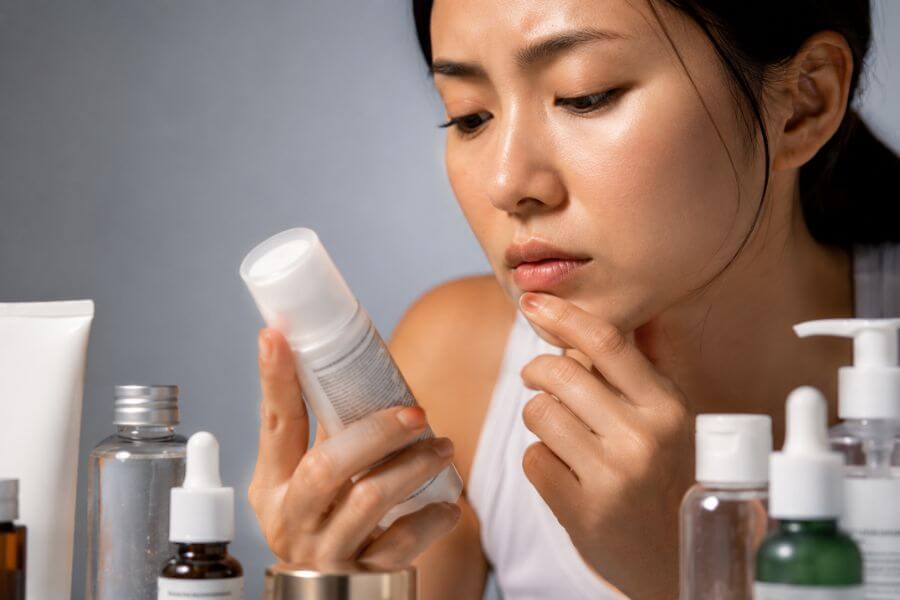
Learning to read a cosmetic label is like learning a new language, but it gives you total power over your health. Ingredients are listed from the highest amount to the lowest amount. If a bad ingredient is at the very top of the list, that means the product is full of it. If it is at the very bottom, there is only a tiny drop.
The Tale of Two Systems: US versus EU
To understand why so many bad ingredients end up in your products, you have to look at how different countries handle safety rules. It is a tale of two completely opposite systems, and the difference might shock you.
The European Union follows something called the precautionary principle. This is a fancy way of saying better safe than sorry. If scientists think an ingredient might cause harm, the European Union bans it immediately until it is proven safe. They prefer to protect people first and ask questions later. Because of this careful view, they have banned over one-thousand-three-hundred ingredients from personal care items.
The United States Approach
In contrast, the United States takes a very different path. For a long time, the rules governing cosmetics in America did not change much for decades. Under the old system, the government could only step in after a product was already on the market and proven to cause harm to consumers.
Even with newer laws slowly rolling out to give the government more power, the total number of fully banned ingredients in the United States remains incredibly small compared to Europe. This means many chemicals that are illegal to sell in Paris or Rome are still totally fine to use in products sold in New York or Los Angeles.
A Quick Comparison of Global Regulations
To help visualize this massive gap, let us look at how the two regions handle safety rules side-by-side.
| Regulatory Feature | United States System | European Union System |
| Number of Banned Chemicals | Less than twenty ingredients are strictly restricted or banned. | Well over one-thousand-three-hundred chemicals are totally banned. |
| Core Safety Philosophy | Products are generally safe until proven harmful by real-world issues. | Ingredients must be proven safe before they are allowed on shelves. |
| Testing Responsibility | Cosmetic companies do their own safety testing before selling. | Strict safety assessments are checked by government science panels. |
| Animal Testing Policy | Allowed in many states, though some states are banning it. | Totally banned for finished products and individual ingredients. |
Parabens: The Hidden Hormone Disruptors
If you look at modern clean beauty products, you will see paraben-free written on almost all of them. Parabens are a group of cheap, artificial preservatives. Companies use them to stop mold, bacteria, and fungus from growing in your liquid makeup, shampoos, and lotions. Without preservatives, your facial cream would spoil in a couple of weeks just like fresh food.
While stopping mold is a good thing, the way parabens do it inside your body is not good at all. Parabens are sneaky because they look a lot like estrogen to your body. Estrogen is an important natural hormone that controls growth, mood, and development.
How Parabens Trick Your Body
When parabens sink into your skin, they can latch onto your cells and mimic estrogen. This tricks your body into thinking it has more estrogen than it actually needs. This confusion can throw your entire hormone system off-balance. For younger people whose bodies are still growing and changing every day, keeping hormones balanced is incredibly important.
Over time, scientists have linked this hormone confusion to various health issues, including early development problems and reproductive troubles. Because they are used in so many daily items, you might be getting a double dose of parabens every morning when you wash your face, shampoo your hair, and put on deodorant.
Common Parabens to Avoid
You can spot these ingredients on the back of your bottle by looking for words that end in the letters p-a-r-a-b-e-n. Here are the most common ones you will find on standard beauty shelves:
- Methylparaben: The most widely used type, often found in liquid foundations and hair conditioners.
- Propylparaben: A heavy preservative that sinks deeply into the skin barrier.
- Butylparaben: Frequently used in sunscreens and thick body butters to extend shelf-life.
- Ethylparaben: Commonly found in eye creams, mascaras, and liquid eyeliners.
Phthalates: The Plasticizers in Your Perfume
Phthalates are a group of industrial chemicals used to make plastics soft and flexible. You might wonder why plastic-making chemicals are anywhere near your favorite perfume or body spray. In the cosmetic world, phthalates act as a solvent and a fixative. This means they help scents stick to your skin so that you smell good for hours after spraying a perfume. They also keep nail polish from cracking or peeling too fast.
The biggest issue with phthalates is that they are totally invisible on most labels. They love to hide under a giant loophole known as fragrance. Lawmakers allow companies to keep their scent recipes a secret so other brands cannot steal them. This means a brand can list the single word fragrance on the back of a bottle, but that single word could contain dozens of hidden phthalates.
The Health Risks of Phthalates
Just like parabens, phthalates are known hormone disruptors. They are especially toxic to the male reproductive system and can interfere with normal growth and development. Some studies have also linked high phthalate exposure to asthma, allergies, and even lower attention spans in young kids.
Because they evaporate easily, you do not just absorb them through your skin. You also breathe them in whenever you spray a hairspray, body mist, or perfume that contains them.
Phthalate Names to Look For
While they often hide inside the word fragrance, sometimes they are listed out explicitly, especially in nail products. Keep your eyes open for these specific letters:
- Diethyl Phthalate (DEP): Used to make scents last longer in perfumes and body washes.
- Dibutyl Phthalate (DBP): Used in nail polishes to give them flexibility and stop chipping.
- Dimethyl Phthalate (DMP): Found in hair sprays to create a flexible film over your hair strands.
Formaldehyde: The Preservative from the Lab
Formaldehyde is a strong-smelling gas that is famous for its use in science labs to preserve biological specimens. It is a known human carcinogen, which is a medical word for something that directly causes cancer. It is also a major skin irritant that can cause rashes, blisters, and burning skin.
You might think nobody would ever put a cancer-causing gas into a bottle of baby shampoo or nail polish, but it happens all the time. However, companies rarely pour pure formaldehyde into the mixing vat. Instead, they use something called formaldehyde releasers.
How Formaldehyde Releasers Work
Formaldehyde releasers are sneaky chemicals that sit quietly in your liquid products. Over time, as the product sits on store shelves or in your warm bathroom, these chemicals slowly rot and break down. As they break down, they continuously release small amounts of formaldehyde gas directly into the product to kill any bacteria.
This means every time you open the bottle, you are exposing your eyes, skin, and lungs to fresh formaldehyde fumes. This is a very common cause of mysterious red rashes on the eyelids, neck, and hands.
The Formaldehyde Releasing Ingredients
Since you will almost never see the word formaldehyde on an ingredient list, you have to look for its secret helpers. Memorize these names to stay safe:
- DMDM Hydantoin: Very common in shampoos, conditioners, and body washes.
- Imidazolidinyl Urea: A popular choice for liquid makeups and eye shadows.
- Diazolidinyl Urea: Frequently used in facial moisturizers and anti-aging lotions.
- Quaternium-15: Often found in face powders, blushes, and foundations.
- Bronopol: Used in many drugstore skin lotions and wet wipes.
Sulfates: The Extreme Bubbles That Dry Your Skin
Sulfates are mineral salts that contain sulfur. In the beauty world, they are used as surfactants. A surfactant is an ingredient that attracts both oil and water. When you mix it with water, it creates a thick, rich foam that lifts dirt and oil away from your hair and skin.
If you love it when your shampoo creates a giant cloud of white bubbles, you have sulfates to thank. They are also found in dish soaps, laundry detergents, and engine degreasers because they are incredibly powerful at cutting through grease.
The Problem with Too Much Cleaning
The issue with sulfates is that they do their job a little too well. Your skin and hair need a natural layer of oil to stay healthy, soft, and protected from the environment. Sulfates act like a harsh broom that strips away absolutely every drop of this natural moisture.
When your skin barrier is stripped clean by sulfates, it becomes dry, itchy, and red. Your body might react by producing even more oil to fix the dryness, leading to oily hair and breakouts. For people with sensitive skin, eczema, or curly hair, sulfates can cause major damage and irritation.
The Two Main Sulfates to Spot
There are many types of sulfates, but two specific ones show up in almost every foaming product on the market:
- Sodium Lauryl Sulfate (SLS): The harshest type. It creates amazing bubbles but is a well-known skin irritant used in science labs to deliberately irritate skin for testing purposes.
- Sodium Laureth Sulfate (SLES): A slightly milder version of SLS, but it goes through a chemical process that can leave behind dangerous toxic leftovers.
Lead and Heavy Metals: The Toxic Colors
Heavy metals like lead, arsenic, mercury, and cadmium are natural elements found in the earth. They are also highly dangerous toxins that can damage your brain, kidneys, and nervous system. Lead exposure is especially dangerous for younger people because it can hurt brain development and lower intelligence.
You will never see lead listed on a lipstick label because no company adds it on purpose. Instead, heavy metals sneak into makeup as contaminants. They hide inside the cheap synthetic color pigments used to make bright red lipsticks, pink blushes, and dark eye shadows.
The Lipstick Danger
When you wear lipstick or lip gloss, you do not just wear it on your skin. You end up licking your lips, eating food, and drinking water throughout the day. This means you end up swallowing tiny amounts of your lip products.
Because heavy metals do not leave your body easily, they build up in your bones and organs over years of daily makeup use. Even tiny, invisible traces of lead in a lipstick can add up to a risky dose over a lifetime of use.
How to Avoid Hidden Heavy Metals
Since these metals do not show up on the ingredient list, you have to change how you shop to avoid them. Use these tips to keep heavy metals off your face:
- Choose Reputable Clean Brands: High-quality clean brands test their color minerals for purity before mixing them into makeup.
- Avoid Ultra-Cheap Makeup: Extremely cheap makeup lines often use low-grade, untested color pigments that are more likely to contain heavy metal pollution.
- Look for Natural Pigments: Many clean brands use colors derived from real fruits, vegetables, and flowers instead of earth minerals or synthetic dyes.
Synthetic Fragrances: The Universal Loophole
We touched on fragrance earlier when talking about phthalates, but this ingredient category deserves its own deep dive. Synthetic fragrance is arguably the single biggest problem in the entire beauty industry. It is a massive black box where companies can hide hundreds of chemicals without telling you what they are.
When you see the word fragrance or parfum on a label, you are looking at a chemical recipe that could contain up to three-thousand separate ingredients. Many of these hidden ingredients are petroleum-derived chemicals, allergens, and hormone disruptors.
The Number One Cause of Skin Allergies
Have you ever tried a new face cream only to wake up the next morning with itchy red bumps all over your face? Synthetic fragrance is the number one cause of allergic skin reactions from cosmetics. It can trigger asthma attacks, cause severe headaches, and irritate sensitive eyes.
Even products that claim to be unscented can contain masking fragrances. These are secret chemicals added to cover up the unpleasant smell of the raw ingredients so the product smells like absolutely nothing.
Fragrance Words to watch out for
To keep your skin calm and clear, you should learn to identify fragrance loopholes on packaging:
- Fragrance: The standard American term for a hidden chemical scent mix.
- Parfum: The European name for fragrance, often used on high-end or imported products.
- Aroma: A term sometimes used in natural-looking products that can still contain synthetic chemicals.
Mineral Oil and Petroleum Leftovers
Mineral oil is a clear, odorless liquid byproduct of refining crude oil to make gasoline. In beauty products, it is used as a cheap moisturizer because it creates a thick, waterproof layer over your skin. It is the main ingredient in baby oil, vaseline, and many heavy face creams.
While it is very effective at locking in moisture, mineral oil acts like a sheet of plastic wrap over your face. It traps everything underneath it, including dirt, sweat, sebum, and bacteria.
Clogged Pores and Skin Suffocation
Because mineral oil cannot sink into the skin, it sits on the surface and chokes your pores. If you are prone to acne or blackheads, mineral oil can make your breakouts much worse by trapping dead skin cells inside your pores.
Furthermore, low-grade mineral oil that has not been fully cleaned can contain dangerous toxins called polycyclic aromatic hydrocarbons. These toxins are linked to cancer and skin irritation, making clean alternatives a much smarter choice.
Synonyms for Petroleum Products
Companies use many different names for petroleum-based ingredients. Look out for these terms on your labels:
- Paraffinum Liquidum: The scientific name for liquid mineral oil.
- Petrolatum: A thick jelly form of petroleum used in heavy balms and lip products.
- Paraffin Wax: A solid petroleum wax used to stiffen stick cosmetics like lipsticks.
- Isoparaffin: A modified petroleum fluid used to make products spread easily.
Triclosan: The Overpowered Anti-Bacterial
Triclosan is a powerful anti-bacterial and anti-fungal chemical. For a long time, it was added to liquid hand soaps, acne face washes, body scrubs, and even toothpastes to kill germs. It sounds like a great ingredient for keeping things clean, but it turns out to be way too powerful for daily home use.
The human body and skin rely on a healthy balance of good bacteria to stay strong and fight off infections. Triclosan does not care if bacteria are good or bad. It acts like a bomb that wipes out every single germ on your skin.
Hormone Issues and Superbugs
When triclosan wipes out all bacteria, it creates a space where dangerous superbugs can grow. These are bacteria that learn how to survive anti-bacterial washes, making infections harder to treat with medicine.
Additionally, triclosan sinks into the body and disrupts thyroid hormones. Your thyroid controls your energy levels, metabolism, and growth. Because of these serious dangers, governments have started restricting its use, but it can still show up in various personal care products.
Identifying Triclosan on Labels
Thankfully, this ingredient is usually listed clearly when it is present. Keep an eye out for these two names:
- Triclosan: The standard name used in soaps, washes, and toothpastes.
- Triclocarban: A sister chemical often used in solid bar soaps that carries the exact same risks.
Oxybenzone: The Reef-Choking Sunscreen
Sunscreen is one of the most important steps in taking care of your skin because it protects you from painful sunburns and skin cancer. However, the chemical filters used in traditional sunscreens can be harmful to both your body and the environment. The biggest offender in this category is a chemical called oxybenzone.
Oxybenzone is used because it absorbs ultraviolet light from the sun beautifully. But once it is on your skin, it absorbs into your blood within seconds. Scientists have detected oxybenzone in human breast milk, urine, and blood samples all over the world.
Body and Ocean Danger
Inside your body, oxybenzone acts as a weak estrogen and can disrupt your natural hormone balance. But the damage does not stop there. When you wear chemical sunscreen into the ocean, the oxybenzone washes off into the water.
This chemical is highly toxic to coral reefs. It bleaches the coral, deforms young sea life, and can kill entire underwater ecosystems. Because of this, places like Hawaii have totally banned sunscreens containing oxybenzone to protect their beautiful oceans.
Sunscreen Chemicals to Swap Out
When shopping for sun protection, look at the active ingredients section on the back of the bottle. Try to avoid these chemical filters:
- Oxybenzone: Also listed as Benzophenone-3 on some international labels.
- Octinoxate: Another common chemical filter that harms coral reefs and disrupts hormones.
- Octocrylene: A chemical stabilizer that can degrade into skin-irritating compounds over time.
BHA and BHT: The Toxic Freshness Keepers
BHA (butylated hydroxyanisole) and BHT (butylated hydroxytoluene) are artificial antioxidants used as preservatives. They are added to lipsticks, moisturizers, and cream makeup to stop the vegetable oils in the formula from going rancid and smelling bad.
While keeping oils fresh is important, BHA and BHT come with a heavy health cost. The National Toxicology Program names BHA as something that is reasonably anticipated to be a human carcinogen.
Organ System Toxicity
Both BHA and BHT can mimic estrogen and cause hormone disruption. Studies have shown that long-term exposure to high doses of these chemicals can cause liver, thyroid, and kidney problems in animal tests.
They can also cause allergic reactions on the skin surface. Since these preservatives are cheap, they show up in many drugstore cosmetics, making it easy to get exposed to them day after day.
How to Identify BHA and BHT
These ingredients are very easy to spot because they are almost always listed as simple three-letter abbreviations:
- BHA: Short for Butylated Hydroxyanisole, usually found in lip liners and lipsticks.
- BHT: Short for Butylated Hydroxytoluene, common in cream blushes and face oils.
Coal Tar: The Dark Secret in Dark Makeup
Coal tar is a thick, black liquid that is a byproduct of burning coal for fuel. It is a known human carcinogen that has been used for a long time in industrial settings. In the beauty world, coal tar is processed to create vibrant, long-lasting colors for eye shadows, heavy mascaras, and anti-dandruff shampoos.
The biggest issue with coal-tar derivatives is that they can be contaminated with dangerous heavy metals and toxic chemicals that harm the brain and skin.
Skin Irritation and Eye Safety
Using coal-tar products around your eyes is especially risky. It can cause severe eye irritation, redness, and in extreme cases, permanent damage to your vision.
In hair products, it can cause the scalp to become ultra-sensitive to sunlight, leading to easy sunburns and itchy rashes. Many countries have strictly limited its use, but it still hides under various names in many dark-colored cosmetics.
Coal Tar Names to Know
You will rarely see the words coal tar on a pretty eyeshadow palette. Instead, look for these technical names:
- Coal Tar Solution: Often found in specialized therapeutic shampoos.
- P-Phenylenediamine: A chemical relative used in many dark hair dyes.
- CI Numbers: Look for color index numbers like CI 75000 and above, which can indicate synthetic coal-tar dyes.
Ethanolamines: The Creamy Foam Builders
Ethanolamines are a family of chemicals derived from ammonia. They are used in cosmetics as emulsifiers and foaming agents. An emulsifier is a substance that helps mix oil and water together so they do not separate into two layers inside the bottle. They give creams their smooth, fluffy texture and help body washes foam up nicely.
The main issue with ethanolamines is not the chemicals themselves, but who they hang out with. When these ingredients are mixed into a formula with certain other preservatives, a dangerous chemical reaction can take place.
The Nitrosamine Danger
This reaction creates toxic impurities called nitrosamines. Nitrosamines are powerful carcinogens that can sink through the skin barrier and cause damage to your internal organs.
Because you cannot tell if a nitrosamine reaction has happened just by looking at a lotion, the safest choice is to avoid ethanolamines altogether. The European Union has restricted these chemicals due to this contamination risk, but they are still common in other markets.
The Ethanolamine Trio to Avoid
These ingredients are easy to spot because they all end in the letters-a-m-i-n-e. Watch out for this common trio:
- Diethanolamine (DEA): Often used in creamy body washes and shampoos to build thick foam.
- Triethanolamine (TEA): Used to balance the acidity level in facial cleansers and lotions.
- Monoethanolamine (MEA): Found frequently in home hair dyes and permanent hair treatments.
Toluene: The Toxic Nail Polish Fume
If you have ever painted your nails in a small room and felt dizzy from the strong smell, you have probably encountered toluene. Toluene is a liquid chemical solvent obtained from crude oil or coal tar. It is added to nail polishes and nail polish removers to help the liquid glide onto your nail smoothly and dry in a flash.
Toluene is a powerful volatile organic compound. This means it turns into a gas very quickly at room temperature, filling the air with strong, chemical fumes that you easily breathe into your lungs.
Brain and Nerve Toxicity
Breathed-in toluene fumes can pass straight from your lungs into your bloodstream and head toward your brain. It is a known neurotoxin, which means it can damage your brain and nervous system. Short-term exposure can cause headaches, dizziness, nausea, and confusion.
For people who work in nail salons and breathe these fumes all day long, the risks are much higher, including reproductive issues and memory loss. This is why clean nail brands pride themselves on being toluene-free.
Toluene Synonyms on Polish Bottles
When buying nail products, read the label carefully to ensure it is free from this dangerous solvent:
- Toluene: The primary name used on standard ingredient lists.
- Methylbenzene: A secondary chemical name for the exact same compound.
- Phenylmethane: A less common technical name used in industrial nail coatings.
Carbon Black: The Jet Black Carcinogen
Carbon black is a fine, dark powder produced by burning petroleum products like coal tar or oil under controlled conditions. It is used in cosmetics for one simple reason: it produces an incredibly intense, jet-black color that does not fade. You will find it in almost every dark liquid eyeliner, heavy mascara, smoky eyeshadow, and dark eyebrow pencil.
The issue with carbon black is its physical structure and its chemical purity. The International Agency for Research on Cancer classifies carbon black as a possible human carcinogen when it is inhaled as a loose powder.
Eye and Lung Health
While you are not inhaling liquid eyeliner, putting this material right next to your sensitive eye membrane can still cause chronic irritation, redness, and long-term inflammation.
Furthermore, low-grade carbon black can be contaminated with toxic heavy metals and other industrial pollutants that can sink into your bloodstream over time. Clean beauty brands choose safer alternatives like iron oxides to get deep black colors without the risk.
Spotting Carbon Black on Makeup
This pigment is usually listed toward the bottom of the ingredient list under a few specific names:
- Carbon Black: The standard commercial name for this dark powder.
- D and C Black Number 2: The official color dye name used on American cosmetic labels.
- Acetylene Black: A technical variant sometimes used in waterproof eye makeup.
Polyethylene Glycols: The Contaminated Moisture Boosters
Polyethylene Glycols, usually abbreviated as PEGs on bottles, are a huge family of petroleum-based compounds. They are used in cosmetics as thickeners, solvents, softeners, and moisture carriers. You will see them in everything from clear gel cleansers to rich nighttime face creams because they help products stay stable and spread evenly across your skin.
On their own, PEGs are not necessarily toxic to the skin. The danger comes from how they are manufactured in chemical factories.
The Ethoxylation Loophole
To make PEGs, a chemical process called ethoxylation is used. This process can leave behind a highly toxic byproduct called 1,4-dioxane. This chemical is a known animal carcinogen and a suspected human carcinogen. It easily penetrates human skin and can cause liver and kidney damage.
Because 1,4-dioxane is a manufacturing leftover, it will never show up on an ingredient label. You can never tell if your PEG-filled lotion is pure or full of toxic contamination unless the brand explicitly states that they test for it.
How to Spot the PEG Family
Identifying PEGs is simple because they always include the abbreviation P-E-G followed by a specific number:
- PEG-100 Stearate: A very common ingredient used to bond oil and water in facial moisturizers.
- PEG-40 Hydrogenated Castor Oil: Used to blend scents into water-based serums and toners.
- PEG-7 Glyceryl Cocoate: A foaming softener used in gentle face washes and body cleansers.
Talc: The Asbestos Conundrum
Talc is a naturally occurring mineral dug out of the earth. It is the softest mineral in the world, and it is excellent at absorbing moisture, reducing friction, and giving makeup a silky, smooth texture. It is the main ingredient in baby powder, face powders, blushes, bronzers, and powdered eye shadows.
The major problem with talc is a geological one. In nature, talc mines are often located right next to mines for asbestos. Asbestos is a highly toxic mineral that causes severe lung cancer and mesothelioma when inhaled.
The Contamination Risk in Powders
When companies dig talc out of the earth, it can easily become cross-contaminated with invisible fibers of asbestos. When you apply a loose face powder or blush containing contaminated talc, a cloud of dust flies into the air around your face.
You breathe that dust straight into your lungs, where the asbestos fibers can get trapped forever, causing serious cellular damage over time. While cosmetic companies claim they test their talc for asbestos, multiple independent studies have found traces of asbestos in popular store makeup brands.
Identifying Talc on Labels
Talc is almost always listed as the very first ingredient in powdered makeup products. Look out for these terms:
- Talc: The standard name for this mined mineral.
- Talcum Powder: A term often used for body and foot powders.
- Magnesium Silicate: The technical chemical name for pure talc mineral.
Siloxanes: The Environment-Damaging Silicones
Siloxanes, also known as cyclic silicones, are a group of silicone-based chemicals used to make products feel silky, smooth, and dry upon application. They help hair conditioners make your hair shine, and they allow foundations to glide over large pores without looking cakey. They also make lotions dry instantly so your skin does not feel sticky or greasy.
While they make makeup feel wonderful on your fingers, siloxanes are a major issue for both human health and nature.
Harm to Your Body and the Fish
Certain siloxanes are known hormone disruptors that can interfere with human fertility and reproductive systems. But the biggest worry is what happens when you wash them down the drain. Siloxanes do not break down easily in water treatment plants.
They flow out into rivers and oceans, where they build up inside the bodies of fish and other marine life. This chemical build-up can damage the underwater food chain and pollute our natural water systems for decades.
The Siloxane Names to Avoid
To find these silicones on a label, look for words that end in the letters-o-x-a-n-e or -c-o-n-e. The most common ones include:
- Cyclotetrasiloxane (D4): A major hormone disruptor that is heavily restricted in European cosmetics.
- Cyclopentasiloxane (D5): Widely used in hair serums and long-wear foundations, known to build up in nature.
- Cyclohexasiloxane (D6): A heavy silicone fluid that takes a very long time to break down in water systems.
Safe Alternatives for Your Beauty Routine
Now that your head is spinning from all the bad ingredients hiding in your bathroom cabinet, let us talk about the good news. You do not have to give up on makeup, shiny hair, or soft skin to stay healthy. The clean beauty market is bursting with amazing, high-performance ingredients derived directly from nature.
For every toxic chemical on shelves, there is a safe, natural alternative that works just as well without putting your body at risk.
Nature’s Best Swaps
Let us look at how simple it is to trade dangerous chemicals for clean, skin-loving ingredients that nourish your skin barrier.
| Bad Ingredient Category | Clean, Safe Alternative | What it Does for Your Skin |
| Parabens and Formaldehyde | Radish Root Ferment, Rosemary Extract, Potassium Sorbate | Safe, plant-based preservatives that stop mold without messing with hormones. |
| Sulfates (SLS / SLES) | Coco Glucoside, Decyl Glucoside | Gentle cleansers made from coconut and corn sugars that wash without drying. |
| Mineral Oil and Petrolatum | Jojoba Oil, Shea Butter, Argan Oil, Rosehip Seed Oil | Plant oils that mimic skin oils, sinking in deeply to nourish without choking pores. |
| Synthetic Fragrance | Real Essential Oils, Organic Fruit Extracts, Hydrosols | Beautiful, natural scents that bring skin benefits without hidden chemical loops. |
| Chemical Sunscreens | Non-Nano Zinc Oxide, Titanium Dioxide | Mineral barriers that sit on top of skin to block sun rays like a shield without hurting coral. |
How to Start Your Clean Beauty Transition
Switching to a clean beauty routine does not mean you have to throw away every single product you own today. That can be expensive and wasteful. Instead, take a slow, smart path to a healthier bathroom:
- Replace Leave-On Products First: Prioritize replacing items that sit on your skin all day long, like facial moisturizers, foundations, and lip balms, before worrying about rinse-off items like body wash.
- Use the Empty Rule: Simply buy a clean version of a product whenever your current traditional bottle runs out completely.
- Download a Scanning App: Use free smartphone apps that let you scan a cosmetic barcode in the store aisle to get an instant safety rating for the ingredients.
- Trust Your Gut over Marketing: Ignore bright pink labels that say all-natural or clean beauty on the front. Flip the bottle over and spend thirty seconds reading the actual ingredient list.
Frequently Asked Questions
Can natural ingredients cause skin irritation?
Yes, natural ingredients can absolutely cause skin irritation or allergic reactions. Just because something comes from a plant does not mean it is safe for every single skin type. For example, poison ivy is natural, but you would never rub it on your face. Many people are allergic to natural essential oils like lavender, peppermint, or tea tree oil.
If you have sensitive skin, it is always a smart idea to perform a patch test. Rub a tiny drop of any new product on your inner wrist or jawline and wait twenty-four hours to see if your skin turns red or gets itchy before applying it all over your face.
How do I know if a beauty brand is lying about being clean?
Since the word clean is not legally protected by the government, many brands participate in greenwashing. This is when a company uses green leaves, eco-friendly words, and beautiful pictures on their packaging to make you think their product is healthy when it is actually full of toxic chemicals.
The only way to spot a lie is to bypass the marketing claims on the front of the bottle and read the official ingredient list on the back. If a product claims to be an organic flower cream but the first three ingredients are mineral oil, sodium lauryl sulfate, and methylparaben, you know the brand is not being honest with you.
Are clean beauty products less effective than traditional ones?
Not at all. In the early days of clean beauty, some natural products did not perform as well as chemical ones. However, modern cosmetic science has come a long way. Clean brands now use high-tech, plant-derived actives like bakuchiol instead of harsh retinol, and hyaluronic acid made from fermented vegetables to hydrate skin deeply.
These clean options often deliver amazing results because they work with your skin natural systems instead of forcing results through harsh chemical burning or stripping. Many top celebrity makeup artists and skin experts now use clean beauty lines exclusively because they work beautifully and support long-term skin health.
Why do some clean beauty products have a shorter shelf-life?
Clean beauty products often have a shorter shelf-life because they skip the heavy, industrial preservatives like parabens and formaldehyde releasers. Natural preservatives like rosemary extract or organic acids are excellent at keeping products fresh, but they generally last for about six to twelve months after opening instead of three to five years like traditional chemical formulas.
To tell how long a product is safe to use, look for the tiny picture of an open jar on the back of the packaging. It will have a number followed by the letter M, such as six-M or twelve-M. This tells you exactly how many months the product stays fresh after you pop the seal.