Table of Contents
New Zealand’s gold rush days left behind more than old stories and faded maps. Across the country, you can still walk through abandoned mining towns, explore tunnels carved into hillsides, ride historic railways, and see the remains of once-booming communities that chased the dream of gold. Many of these places are surrounded by beautiful landscapes, making them perfect for travellers who enjoy history, scenery, and a bit of adventure at the same time.
Whether you are planning a South Island road trip or simply looking for hidden places beyond the usual tourist stops, these historic gold mining sites give you a fascinating look into New Zealand’s past. Some are easy family outings, while others feel like stepping into another century.
Quick Summary Table 💰
| Gold Mining Site | Region | Best Known For | Best Way to Explore |
|---|---|---|---|
| Arrowtown Chinese Settlement | Otago | Restored miner huts | Walking tour |
| Shantytown | West Coast | Recreated gold rush town | Heritage experience |
| Thames Gold Mine | Waikato | Underground mining history | Guided tour |
| St Bathans | Otago | Blue Lake and old ruins | Scenic walk |
| Waihi Gold Discovery Centre | Waikato | Gold mining exhibits | Museum visit |
| Gabriel’s Gully | Otago | Site of major gold rush | Hiking and history |
| Reefton | West Coast | Historic mining town | Town exploration |
| Denniston Plateau | West Coast | Dramatic mining remains | Scenic drive and walks |
| Macraes Historic Area | Otago | Historic and modern mining | Self guided trails |
| Goldfields Mining Centre | Otago | Live gold panning demos | Family attraction |
How We Ranked These Historic Gold Mining Sites 🗺️
We selected these locations based on several important factors:
- Historical importance in New Zealand’s gold rush era
- How much of the original site you can still explore today
- Accessibility for everyday travellers
- Scenic surroundings and photography opportunities
- Visitor experiences such as tours, museums, and walking tracks
- Variety of attractions suitable for families, couples, and solo travellers
- Preservation of buildings, machinery, and mining remains
- Overall atmosphere and storytelling value
1. Arrowtown Chinese Settlement, Otago 🏔️
Nestled beside the Arrow River, the historic Chinese Settlement in Arrowtown is one of the most moving reminders of New Zealand’s gold mining era. Chinese miners arrived in the 1860s after European miners began leaving the area. They worked in difficult conditions and often lived separately from the main town.
Today, you can wander through restored huts and stone buildings that show what life was like during those challenging years. The settlement is small but powerful in atmosphere. As you walk along the river and through the tiny homes, you can almost picture the miners carefully searching for gold in freezing water.
Arrowtown itself adds even more charm to the experience. The town still has preserved historic buildings, cosy cafés, and beautiful tree-lined streets. During autumn, the area becomes especially stunning with bright orange and yellow leaves covering the landscape.
If you enjoy history mixed with peaceful scenery, this site is one of the most rewarding places to visit in New Zealand.
2. Shantytown, West Coast 🚂
Shantytown is not an abandoned mining site but a carefully recreated gold rush village that brings history to life in an entertaining way. Located near Greymouth on the West Coast, this attraction lets you experience what mining communities once looked like during the booming gold era.
You can ride a vintage steam train, visit old shops, see working machinery, and even try gold panning yourself. The recreated buildings feel surprisingly authentic, helping you imagine daily life during the late 1800s.
One of the best things about Shantytown is how interactive it is. Instead of simply reading information boards, you actually get to experience the sights, sounds, and atmosphere of a working gold rush settlement.
Families especially enjoy this stop because there is plenty to do for children and adults alike. It is also a good option if you prefer comfort and accessibility over rugged exploration.
3. Thames Gold Mine, Waikato 🔦
The town of Thames played a major role during New Zealand’s gold boom in the North Island. Today, you can still explore parts of this rich mining history through underground tours and heritage sites.
The Thames School of Mines is a highlight, offering fascinating displays of mining tools, machinery, minerals, and old photographs. Some tours even take you underground into historic mining tunnels where you can experience the dark and narrow spaces miners once worked in every day.
Walking through these tunnels gives you a real appreciation for how physically demanding gold mining was. Conditions were often wet, dangerous, and exhausting.
Outside the mine attractions, Thames itself has a relaxed, small-town atmosphere with plenty of heritage charm. The nearby Coromandel scenery makes it an excellent stop on a wider road trip around the region.
4. St Bathans, Otago 🌊
St Bathans feels almost frozen in time. Once a thriving gold mining settlement filled with thousands of people, it is now a tiny historic village with dramatic scenery and haunting beauty.
The town’s most famous feature is the Blue Lake, which was created through hydraulic gold mining. The bright blue water surrounded by steep cliffs gives the area an almost unreal appearance.
As you explore the old ruins and remaining buildings, you quickly realise how much mining reshaped the landscape here. Several walking tracks explain the town’s history and point out important mining sites.
One of the most memorable experiences is simply enjoying the silence. Unlike busier tourist attractions, St Bathans feels remote and peaceful, making it ideal if you enjoy quiet destinations with strong historical character.
The historic Vulcan Hotel also adds to the atmosphere and is well known for local ghost stories connected to the gold rush era.
5. Waihi Gold Discovery Centre, Waikato ⚒️
Waihi remains connected to mining even today, but its historic roots are still proudly preserved through the Gold Discovery Centre and surrounding heritage sites.
The Martha Mine has been one of the country’s most important gold sources, and the centre explains both historical and modern mining techniques in an easy-to-understand way.
Interactive exhibits help you learn how gold was discovered, processed, and transported. You can also explore nearby heritage walks that pass through old mining areas and railway tracks.
Waihi is particularly good for travellers who want a comfortable and educational experience without needing difficult hikes or remote access. The town also connects easily with other popular destinations in the Bay of Plenty and Coromandel regions.
For anyone curious about how gold mining evolved over time, Waihi offers a balanced mix of history and modern industry.
6. Gabriel’s Gully, Otago 🥾
Gabriel’s Gully is one of the most important locations in New Zealand’s gold rush history because this is where the Otago gold rush officially began in 1861.
When gold was discovered here, thousands of hopeful miners flooded into the region almost overnight. The discovery changed Otago forever and helped shape the growth of towns across the South Island.
Today, you can follow walking tracks through the gully while reading historical signs explaining what happened during those exciting years. The landscape remains rugged and natural, helping you picture the original gold seekers arriving with little more than basic tools and big dreams.
The site does not feel overly commercialised, which makes the experience more authentic. It is ideal for travellers who enjoy outdoor exploration combined with meaningful history.
Visiting Gabriel’s Gully also pairs well with a trip through Central Otago’s wider historic goldfields region.
7. Reefton, West Coast 🌧️
Reefton may be small, but it has a fascinating gold mining legacy. It became famous as one of the world’s earliest towns to receive electricity and grew rapidly during the gold boom years.
Today, you can explore preserved historic buildings, old mining relics, and local museums that explain the town’s rich history. Several walking tracks around the area lead to mining remains hidden within lush forest landscapes.
One of the reasons Reefton stands out is its unique atmosphere. Heavy rain, misty hills, and dense bush give the town a mysterious feeling that suits its mining past perfectly.
The local community has done an excellent job preserving stories from the region, making it a rewarding stop for travellers interested in lesser-known destinations.
If you prefer places with fewer crowds and a strong sense of local identity, Reefton deserves a place on your itinerary.
8. Denniston Plateau, West Coast 🌫️
Although better known for coal mining than gold, Denniston Plateau captures the harsh reality of New Zealand’s mining history in an unforgettable way.
High above the West Coast, this windswept plateau contains dramatic remains of old mining infrastructure, including rail systems, machinery, and abandoned buildings. Thick fog and rugged cliffs create an eerie but beautiful atmosphere.
Exploring the area helps you understand how isolated and physically demanding mining life can be. Workers faced dangerous conditions, freezing weather, and difficult transport routes every single day.
The scenery alone makes the trip worthwhile. Sweeping views across mountains and coastline add a powerful natural backdrop to the historic remains.
Denniston is especially appealing for photographers and travellers who enjoy remote places with dramatic landscapes and strong historical storytelling.
9. Macraes Historic Area, Otago 🪙
Macraes combines old and new mining history in a way few places can. While modern mining still operates nearby, the historic trails allow you to explore earlier gold mining remains from the nineteenth century.
Walking tracks lead past stone ruins, old equipment, abandoned homes, and historic cemeteries. Informational signs explain how the community developed during the gold rush years.
Because the area is spread across wide open countryside, it feels very different from compact mining towns like Arrowtown or Thames. The landscape is peaceful and expansive, giving you space to appreciate both the history and natural beauty of Central Otago.
Many visitors enjoy combining the historic area with scenic drives through the surrounding rural region. The golden hills and dry climate create a distinctly Otago atmosphere that feels unlike anywhere else in New Zealand.
10. Goldfields Mining Centre, Otago 🌟
Located near Cromwell, the Goldfields Mining Centre offers one of the most accessible and entertaining ways to experience New Zealand’s gold rush history.
Guided tours take you through preserved mining sites while knowledgeable guides explain how miners searched for gold and survived in harsh conditions. Live demonstrations show old equipment in action, helping history feel far more real and engaging.
One of the biggest highlights is gold panning. Visitors of all ages can try searching for tiny flakes of gold in the water, which makes the experience especially memorable for families.
The centre sits beside a beautiful gorge with walking tracks and excellent scenery, adding another layer to the visit.
If you want a mix of education, scenery, and hands-on fun, this site is one of the best all-around gold mining attractions in the country.
Conclusion 🌄
New Zealand’s historic gold mining sites offer much more than old tunnels and abandoned machinery. They tell stories of ambition, hardship, migration, and survival during one of the country’s most transformative periods.
From the peaceful ruins of St Bathans to the interactive experiences at Shantytown and Goldfields Mining Centre, each destination reveals a different side of the gold rush era. Some sites focus on preserved towns and museums, while others invite you to hike through landscapes forever changed by mining.
Exploring these places allows you to connect with New Zealand’s history in a very personal way. You are not simply reading about the past. You are walking through it.
Whether you love history, photography, scenic drives, or unique travel experiences, these gold mining destinations deserve a place on your New Zealand itinerary.
Frequently Asked Questions ❓
Can you still find gold in New Zealand today?
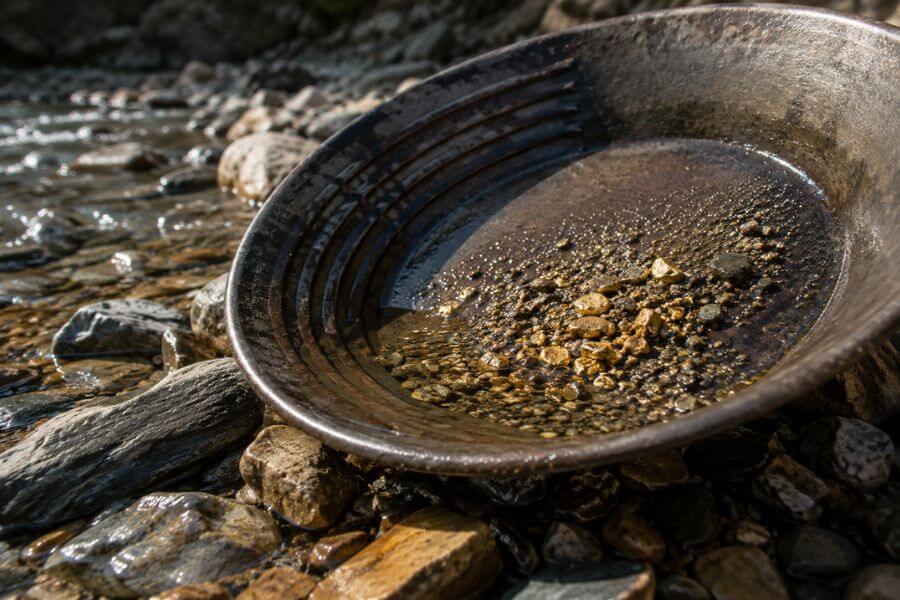
Yes, small amounts of gold can still be found in some rivers and historic goldfields. Certain tourist attractions even allow visitors to try recreational gold panning.
Which island has more historic gold mining sites?
The South Island has more famous gold rush destinations, especially in Otago and the West Coast regions. However, the North Island also has an important mining history in places like Thames and Waihi.
Are these historic mining sites suitable for children?
Many are family-friendly, especially places like Shantytown and Goldfields Mining Centre. Some remote or rugged sites may require extra care with younger children.
What is the best season to explore New Zealand’s gold mining towns?
Autumn and summer are excellent choices. Autumn brings colourful scenery in Otago, while summer offers better weather for walking tracks and outdoor exploration.
Do you need guided tours to explore these sites?
Not always. Many locations have self-guided walking tracks and information boards. However, guided tours can provide deeper historical insight, especially at underground mining attractions.