Key Takeaways
- Start Small: True sustainability comes from changing one habit at a time instead of throwing out your entire bathroom cabinet at once.
- Simplify Your Shelf: Multi-purpose products reduce plastic packaging, save money, and cut down on physical clutter.
- Rethink Ingredients: Solid bars, water-free formulas, and locally made products drastically lower your environmental footprint.
- DIY and Refill: Making simple items at home or visiting local bulk refill shops keeps plastic bottles out of landfills.
- Mindful Consumption: The most sustainable personal care product is always the one you already own and use until it is completely gone.
Your bathroom cabinet holds a lot of secrets. Behind those bright labels and fresh scents lies a mountain of plastic waste, hidden chemicals, and single-use items that end up in our oceans. Building a sustainable, low-waste personal care routine does not mean you have to give up feeling clean and fresh. In fact, it does the exact opposite by making your daily habits cleaner, lighter, and much more intentional. Let us dive straight into how you can transform your daily habits into a powerful force for protecting our planet.
Understanding the True Impact of Personal Care Waste
Every morning and every night, you reach for plastic tubes, bottles, and jars. It is a normal part of life, but the footprint of these items is staggering. Most plastic containers used for shampoos, body washes, and lotions cannot be recycled easily by local centers. They wind up sitting in landfills for hundreds of years or breaking down into tiny bits that harm wildlife.
The Problem with Single-Use Packaging
Think about how many bottles of liquid soap you go through in a single year. When you add up shampoo, conditioner, face wash, and body lotion, the numbers grow fast. Most of these packages are designed to be used once and thrown away. Even when you place them in the recycling bin, the reality is that less than ten percent of all plastic actually gets recycled into something new. The rest lingers in the environment, polluting soils and waterways.
Water is Hidden Everywhere
When you look at the ingredient list on your favorite liquid body wash or shampoo, the very first word is almost always water. You are essentially paying for companies to bottle up water, pack it in heavy plastic, and ship it across the world. This heavy shipping creates massive amounts of carbon emissions that heat up our atmosphere. Choosing solid alternatives removes the water, eliminates the need for plastic bottles, and shrinks the transportation footprint down to a fraction of its original size.
Microplastics and Down-the-Drain Pollution
The waste does not stop at the packaging. Many conventional facial scrubs and toothpastes contain tiny plastic beads used for scrubbing. When you rinse your face or brush your teeth, these microplastics flow down your drain, pass through water treatment plants, and enter rivers and oceans. Fish and other sea creatures mistake them for food, which disrupts the entire marine ecosystem. Your choices at the sink directly impact the health of distant oceans.
How to Audit Your Current Bathroom Cabinet
Before you rush out to buy brand-new eco-friendly items, you need to take a close look at what you already own. True sustainability means using up every single drop of your current products. Buying a new sustainable bamboo toothbrush while throwing away a perfectly functional plastic one defeats the whole purpose.
Step-by-Step Cabinet Inspection
Go to your bathroom and pull everything out of the drawers and shelves. Group your items by category, such as hair care, skin care, dental care, and body care. Look at the expiration dates and note which products you use every single day versus the ones that just sit there collecting dust.
The Finish-What-You-Own Rule
Make a firm commitment to finish every bottle, tube, and jar you currently have. It does not matter if the bottle is bright blue plastic and filled with synthetic chemicals. Throwing it away completely empty ensures that the product fulfilled its purpose before entering the waste stream. Use this time to notice which products you actually enjoy using and which ones you can live without.
Sorting the Leftovers
If you find products that you absolutely cannot use because they irritate your skin, do not throw them away immediately. See if a family member or a close friend wants them. For unopened items that you know you will never use, consider donating them to local shelters. Keeping items out of the trash bin for as long as possible is a fundamental rule of a low-waste lifestyle.
Rethinking Your Hair Care Routine
Hair care is one of the biggest sources of plastic waste in the entire house. Between shampoo bottles, conditioner tubs, hair sprays, and serums, the plastic adds up fast. Luckily, the sustainable alternatives for hair care are some of the most rewarding and effective options available today.
Switching to Shampoo and Conditioner Bars
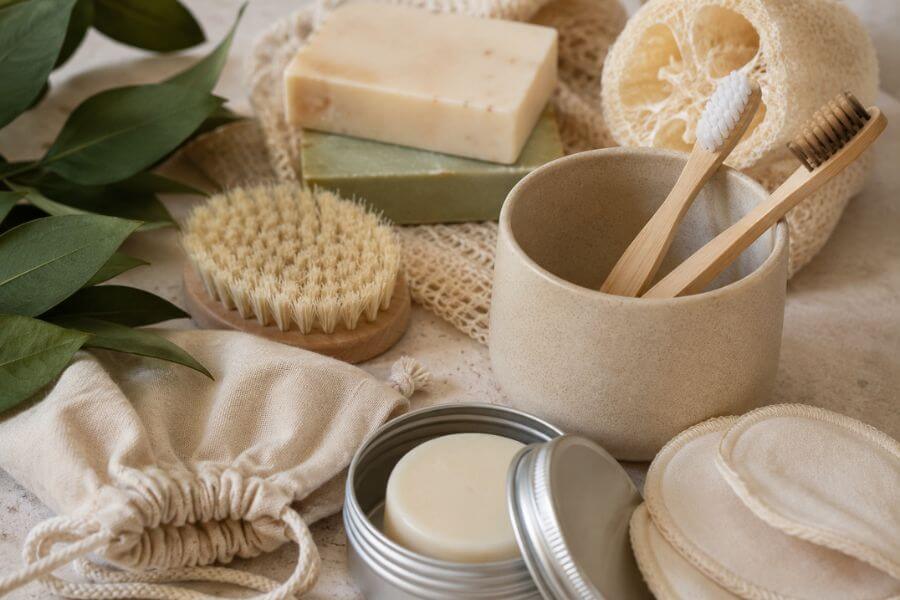
Solid bars look exactly like regular bar soap, but they are specially formulated for your hair. They are concentrated blocks of active ingredients without any water filler. One single shampoo bar can last as long as two or three regular bottles of liquid shampoo. They usually come wrapped in recyclable cardboard or no packaging at all, which instantly cuts your plastic waste down to zero.
Master the Bar Technique
Using a shampoo bar is simple but feels a little different at first. You can either rub the wet bar directly onto your wet hair to create a lather, or rub it between your wet hands first and then massage the foam into your scalp. For conditioner bars, focus the product on the mid-lengths and ends of your hair rather than your roots. Rinse thoroughly just like you would with liquid products.
Liquid Refill Stations
If your hair simply does not respond well to solid bars, you do not have to stick to standard plastic bottles. Look for a local zero-waste shop or a health food store that offers bulk refill stations. You bring your own clean, dry glass jars or old plastic bottles to the store, weigh them, and fill them up with liquid shampoo or conditioner. You pay only for the weight of the liquid, completely bypassing the need for new packaging.
Natural Hair Tools
Take a look at your hairbrushes and combs. Most of them are crafted from cheap plastics that break easily and cannot be recycled. When your current brush finally breaks beyond repair, replace it with a brush constructed from sustainably harvested wood or bamboo with natural bristles. These tools last for a very long time, distribute your natural scalp oils evenly through your hair, and can be composted at the very end of their life.
Redesigning Your Daily Oral Care
Oral hygiene is a non-negotiable part of daily health, but it creates an enormous amount of plastic trash. Standard plastic toothbrushes cannot break down, meaning every single plastic toothbrush you have ever used in your life still exists somewhere on this planet today. Changing your dental routine can majorly shrink your personal trash footprint.
The Bamboo Toothbrush Transition
Bamboo toothbrushes are an excellent alternative to plastic ones. Bamboo is a fast-growing grass that requires no pesticides and very little water to thrive. When the bristles wear out after a few months, you can use a pair of pliers to pull out the nylon bristles for recycling, and then throw the wooden handle straight into your backyard compost pile or your local yard waste bin.
Toothpaste Tabs Versus Metal Tubes
Standard toothpaste tubes are made by layering plastic and aluminum together, making them nearly impossible to recycle. You have two excellent low-waste paths to choose from instead. The first option is toothpaste tablets, which are dry, bite-sized dots that come in refillable glass jars. You pop one in your mouth, chew it until it turns into a paste, and brush with a wet toothbrush. The second option is choosing paste that comes in a hundred-percent aluminum tube, which can be recycled infinitely in your standard household bin.
Eco-Friendly Flossing
Traditional dental floss is made of nylon, which is essentially plastic, and it is coated in synthetic wax. It gets tangled up in water systems and harms small animals. Switch to dental floss crafted from natural silk or plant-based polylactic acid fibers coated with plant wax. These options usually come packaged in tiny, refillable glass vials or small cardboard boxes instead of bulky plastic dispensers.
Transforming Skin Care and Facial Cleansing
The skin care world constantly tells us that we need a ten-step routine to achieve healthy skin. This mindset leads to an overwhelming number of plastic bottles, serum droppers, and single-use cotton pads. Simplifying your skin care is better for your wallet, better for your skin barrier, and vastly better for the planet.
The Power of Multi-Purpose Oils
Instead of buying separate eye creams, night creams, face moisturizers, and makeup removers, you can often use a single high-quality plant oil. Oils like jojoba, argan, or sweet almond work beautifully to melt away makeup and lock moisture into your skin. They usually come packaged in glass bottles with glass droppers, which are far easier to clean and recycle than plastic pumps.
Ditching Single-Use Cotton Pads
Disposable cotton rounds and makeup wipes are used for ten seconds and then thrown into the trash. The process of growing conventional cotton also uses massive amounts of water and pesticides. Switch to washable, reusable cloth rounds made from organic cotton or bamboo fibers. After using them to apply toner or remove makeup, you simply drop them into a small mesh bag and toss them into your weekly laundry machine.
Solid Face Cleansing Bars
Just like shampoo, facial cleansers now come in solid bar forms. These bars are formulated to be extra gentle so they do not strip away the natural protective oils on your face. They wash away cleanly, last for months on end, and eliminate the need for liquid face wash bottles entirely.
Shifting to Sustainable Body Care
Your daily shower routine is prime territory for reducing waste. Moving away from liquid body washes, plastic loofahs, and disposable razors will instantly clear out visual clutter from your shower ledge while cutting your environmental footprint down to almost nothing.
Returning to the Classic Bar Soap
Liquid body wash is mostly water packed in a thick plastic bottle. Traditional bar soap is a fantastic low-waste alternative. Look for soaps made with natural plant oils and colored with clays or botanicals. They gently cleanse your skin without leaving behind a trail of plastic bottles, and they usually come wrapped in a simple strip of recycled paper.
Swapping Plastic Loofahs for Natural Materials
Those bright, colorful mesh loofahs sitting in most showers are made entirely of synthetic plastics. As they rub against your skin, they shed tiny microplastic particles down the drain, and they quickly become breeding grounds for bacteria. Replace them with natural washcloths, wooden soap bags, or real loofahs, which are actually dried gourds from the loofah plant. When these natural scrubbers get old, they can go straight into the compost bin.
The Safety Razor Revolution
Disposable plastic razors are expensive, dull quickly, and create millions of pounds of unrecyclable trash every year. A safety razor is constructed entirely from durable metals like stainless steel or brass. You buy the heavy metal handle once, and it lasts for your entire life. When the blade gets dull, you swap out only the tiny metal double-edge blade, which costs pennies and can be collected in a metal tin for recycling.
Natural Deodorant Solutions
Traditional deodorants and antiperspirants come in heavy, multi-material plastic sticks that cannot be disassembled for recycling. They also frequently contain synthetic fragrances and chemical stabilizers that many people prefer to avoid putting on their bodies.
Cardboard Push-Up Tubes
Many sustainable companies now package their natural deodorants in sturdy, biodegradable cardboard tubes. When you need more product, you simply push up on the bottom of the tube with your thumb. Once the deodorant is completely gone, the entire cardboard tube can be dropped into your recycling bin or your home compost pile.
Cream Deodorants in Glass Jars
Another popular low-waste choice is deodorant cream that comes in a small glass jar. You use your clean fingers or a small wooden scoop to take a pea-sized amount of the cream and rub it directly into your underarms. The jars are incredibly easy to wash out and reuse around the house for storing small items like jewelry, paperclips, or homemade lip balms.
Crystal Deodorant Stones
For an incredibly long-lasting option, look into potassium alum crystal stones. These are solid blocks of natural mineral salts that work by creating an invisible layer of protection against odor-causing bacteria. You simply wet the top of the stone and rub it onto your clean skin. A single crystal stone can easily last for a year or more of daily use, meaning you buy far fewer products over time.
Creating a Sustainable Sunscreen Strategy
Protecting your skin from the sun is vital for preventing skin damage, but traditional sunscreens often present environmental challenges. Many formulas contain chemical UV filters that wash off your body when you swim and cause severe damage to fragile coral reefs.
Choosing Non-Nano Mineral Sunscreens
Look for sunscreens that utilize zinc oxide or titanium dioxide as their active sun protection ingredients. Make sure the label specifies non-nano particles, which means the mineral grains are large enough that they cannot be absorbed by corals or marine life. These mineral sunscreens sit on top of your skin to reflect sun rays away safely.
Low-Waste Sun Protection Packaging
Sunscreen traditionally comes in squeeze bottles made of thick, soft plastic. Seek out mineral sunscreens that come packaged in infinitely recyclable aluminum tins, glass jars, or sturdy cardboard sticks. These alternatives protect your skin from intense sun damage while keeping plastic packaging out of our oceans and shorelines.
The Art of DIY Personal Care Products
One of the most reliable ways to know exactly what is going into your products and eliminate packaging waste is to make a few basic items yourself. You do not need a science lab or rare ingredients to create effective personal care products at home. Most of the best ingredients are already sitting in your kitchen pantry.
Homemade Whipped Body Butter
You can create a rich, luxurious body moisturizer by melting equal parts of shea butter and coconut oil together in a glass bowl placed over a pot of simmering water. Once melted, let it cool in the refrigerator until it is partially solid, then use a hand mixer to whip it into a fluffy, cloud-like cream. Store it in a clean glass jar and apply it to dry skin after your shower.
Simple Sugar and Coffee Body Scrubs
Instead of buying facial or body scrubs packaged in plastic tubes, mix regular granulated sugar or leftover dry coffee grounds with a splash of olive oil or melted coconut oil. This creates a highly effective exfoliating scrub that gently removes dead skin cells. The sugar dissolves safely down the drain, and the coffee grounds add a wonderful natural aroma to your morning shower.
Herbal Hair Rinses
If you want to add shine and softness to your hair without relying on chemical serums, try making an apple cider vinegar rinse. Mix one tablespoon of apple cider vinegar with one cup of warm water. After washing your hair, pour this mixture over your scalp, let it sit for a minute, and rinse it out with cool water. The slight vinegar scent disappears entirely as your hair dries, leaving behind incredible shine.
Navigating the Bulk Refill Experience
Visiting a bulk refill shop for the first time can feel intimidating, but it is one of the most impactful habits you can build to reduce your plastic consumption over time. It shifts your routine into a circular loop where packaging is reused over and over again.
Preparing Your Containers
Before you head to the store, gather clean containers from around your house. Old pasta sauce jars, empty shampoo bottles, and glass soap dispensers work beautifully. Make sure they are washed thoroughly with soap and water, and allowed to dry completely. Any leftover moisture inside a jar can cause bacteria to grow in your newly refilled products.
The Tare Weight System
When you arrive at the bulk store, the first step is always to weigh your empty container. This weight is called the tare weight, and the store clerk will write it on a piece of tape or a sticker placed on your jar. This step ensures that when you checkout, the weight of the heavy glass jar is subtracted from your final price, meaning you pay exclusively for the product you poured inside.
Filling and Storage
Slowly pump or pour your chosen product into your container, leaving a little bit of space at the top to prevent spills when you screw the lid back on. Once you return home, store your refilled items in a cool, dark place. Label your jars clearly so you never confuse your dish soap with your facial cleanser.
How to Handle Traveling without Generating Waste
Travel is a common time for people to slip up on their low-waste goals. Those tiny, single-use hotel shampoo bottles and plastic travel toothpastes are incredibly convenient, but they create a mountain of plastic waste that rarely gets recycled properly.
Bringing Solid Bars Along
Solid bars are the ultimate secret weapon for sustainable travel. Since they contain absolutely no liquid, you never have to worry about them leaking all over your clothes or getting confiscated by airport security. You can cut your shampoo, conditioner, and body bars into smaller, bite-sized cubes and pack them into tiny metal tins or fabric wraps to save space.
Reusable Travel Jars
If you prefer to bring your favorite liquid creams, do not buy new miniature plastic bottles from the store. Invest in a small set of high-quality silicone or metal travel jars that you can refill from your large bottles at home before every trip. These durable containers can be washed out and reused for hundreds of journeys without breaking down.
Mindful Hotel Stays
When you check into a hotel room, leave the complimentary mini toiletries untouched on the counter if you brought your own sustainable alternatives. If the hotel staff sees that guests are not using these single-use plastic bottles, it encourages management to switch to large, refillable dispensers mounted directly on the shower wall.
Common Obstacles and How to Overcome Them
Switching to a low-waste personal care routine is a journey filled with learning experiences. Your body and your habits will need time to adapt to these new formats, and understanding what to expect can prevent you from getting discouraged along the way.
The Hair Purge and Transition Phase
When you switch from commercial chemical shampoos to natural shampoo bars, your hair might feel heavy, waxy, or unusually oily for the first few weeks. This is completely normal. Conventional shampoos use harsh sulfates to strip away your natural oils, causing your scalp to overproduce oil to compensate. When you stop using those chemicals, your scalp takes time to recalibrate its oil production. Stick with it, and your hair will adjust to a healthy balance.
Preventing Soggy Soap Bars
The fastest way to ruin a brand-new shampoo or body bar is to let it sit in a puddle of water on your shower shelf. Without proper airflow, the bar will soften, dissolve, and wash away down the drain. Always place your solid bars on a well-draining soap dish that features ridges or holes, and keep them out of the direct spray of the showerhead when you are not using them.
Budget Management Strategies
Some sustainable personal care items carry a higher upfront cost than cheap drugstore alternatives. A metal safety razor or a premium shampoo bar might seem pricey at first glance. However, you have to look at the lifespan of the item. That single safety razor will last for decades, and that dense shampoo bar will outlast several bottles of liquid soap. Investing a little more money upfront saves you significant amounts of money in the long run.
Comparing Traditional and Sustainable Personal Care
Understanding exactly how your daily choices stack up against conventional options helps highlight the true value of making the switch. Making adjustments across various categories creates a massive cumulative reduction in your household waste.
Hair and Body Product Comparison
| Traditional Product | Sustainable Alternative | Packaging Savings | Long-Term Value |
| Liquid Shampoo in Plastic | Solid Shampoo Bar | Cardboard or Zero Waste | Lasts 3 times longer |
| Liquid Body Wash | Natural Bar Soap | Recycled Paper Wrapper | Less water weight shipped |
| Plastic Mesh Loofah | Dried Plant Loofah | None (Compostable) | Completely biodegradable |
| Disposable Plastic Razor | Metal Safety Razor | Paper box for metal blades | Blades cost pennies |
Oral Care and Daily Hygiene Comparison
| Traditional Product | Sustainable Alternative | Packaging Savings | End-Of-Life Path |
| Plastic Toothbrush | Bamboo Toothbrush | Recyclable Cardboard | Handle can be composted |
| Plastic Toothpaste Tube | Toothpaste Tablets | Glass Jar with Metal Lid | Jar is infinitely reusable |
| Nylon Dental Floss | Silk or Plant Fiber Floss | Glass Vial or Cardboard | Breaks down naturally |
| Plastic Stick Deodorant | Cardboard Push-Up Deodorant | Paperboard Tube | Tube goes to compost |
Frequently Asked Questions
Do sustainable personal care products work just as well as traditional options?
Yes, they absolutely do. Many people discover that their skin and hair look significantly healthier after making the switch. Conventional products often rely on heavy chemicals, synthetic silicones, and artificial coaters that create the temporary illusion of health while stripping your body over time. Sustainable alternatives focus on concentrated, natural plant-based ingredients that nourish your body deeply without causing long-term damage or leaving synthetic residues behind.
How do I store my solid bars when I am traveling?
The most important rule for traveling with solid bars is to ensure they are completely dry before you seal them away. If you must pack them right after a shower, pat them dry with a towel first. Store them in lightweight aluminum tins, waxed paper wraps, or small fabric pouches designed specifically for soap storage. Once you arrive at your new destination, take the bars out of their travel cases immediately and place them on a dry towel so they can breathe and stay firm.
Can I recycle the metal blades from a safety razor?
You cannot throw loose razor blades directly into your household recycling bin because they present a severe safety hazard for the workers sorting the materials. Instead, you should create a blade bank. Take an old metal broth can or a small tin box and cut a thin slot into the top. Drop your used blades inside the slot. Once the tin is completely full after a few years, tape the slot shut securely and take the entire metal unit to a local scrap metal recycling center.
Are bamboo toothbrushes sanitary to use over time?
Bamboo toothbrushes are perfectly sanitary as long as you care for them correctly. Bamboo is naturally antimicrobial, which helps keep bacteria at bay. The key is to never store your toothbrush inside a dark, damp medicine cabinet or a stagnant cup where water pools at the bottom. Always place your toothbrush upright in an open area with good airflow so the wood can dry completely between uses. Replace your brush every three months just like a standard plastic one.
What should I do if my local area does not have a bulk refill shop?
You do not need a specialized bulk store to maintain a low-waste routine. Focus your efforts on choosing solid bar alternatives for your shampoo, conditioner, and body soap, which can be found in most regular grocery stores or ordered online in simple cardboard boxes. You can also look for larger sizes of your favorite liquid products to minimize the total amount of plastic packaging, or explore simple DIY options using basic kitchen ingredients like coconut oil and sugar.