Ultimate Protection Cheat Sheet
Before diving into the detailed methods, here is your quick guide to reapplying sun protection over your favorite looks.
| Method | Best Skin Type | Finish | Portability | Makeup Disturbance |
| Powder SPF | Oily, Combination | Matte | High | None |
| Mist or Spray | Dry, Normal | Dewy, Radiant | High | Very Low |
| Sponge Cushion | Normal, Dry, Combination | Natural | Medium | Low |
| Sun Stick | Normal, Dry | Satin, Glowy | High | Medium |
The Ultimate Midday Sun Shield Secret
You spent thirty minutes creating the most beautiful makeup look. Your foundation is perfectly blended, your concealer hides every dark spot, and your blush gives you that perfect flush. You step outside, ready to conquer your day. Then you remember the golden rule of skincare: you must reapply your sunblock every two hours.
Suddenly, panic sets in. How can you put a thick, white cream over your beautiful face without turning your makeup into a smudged, muddy mess?
Most people choose one of two paths. They either skip the sun cream entirely to save their makeup, or they rub a cream on top and completely ruin their look. You do not have to choose between healthy skin and a flawless face. You can easily keep your skin safe from dangerous UV rays while keeping your makeup looking fresh and beautiful.
The secret lies in choosing the right tools, using the correct pressing motions, and matching your sun protection method to your skin type. Let us dive into the exact steps to keep your face protected and perfect all day long.
Why Two Hours is the Golden Rule
To understand how to protect your face, you need to understand why your morning layer of sun protection does not last all day. When you apply your first layer of sun cream at eight in the morning, it forms a protective shield over your face. This shield blocks the ultraviolet rays from the sun that cause burns, dark patches, and early aging.
However, this shield is not permanent. Your face naturally produces oils throughout the day. You sweat when you walk around or sit in a warm room. You touch your face, talk on the phone, and blink your eyes. All these tiny actions break down that protective shield.
By the time two hours pass, your morning sun cream has tiny holes in it. The sun rays can now get through those holes and damage your skin cells. Reapplying creates a fresh shield, filling in those holes so your face stays safe.
Method One: The Powder Power Play
If your face gets shiny by lunchtime, translucent or tinted setting powders with built-in sun protection will be your new best friend. This method is wonderful because it does two jobs at the same time. It removes unwanted oil and adds a fresh layer of sun shield to your skin.
Selecting Your Powder
You can find these powders in loose forms or pressed compacts. Some even come in tubes with a brush attached to the top. Look for a powder that offers a broad-spectrum rating, which means it protects against both burning rays and aging rays. A tinted version can add a tiny bit of coverage, while a translucent version works on any skin tone without changing the color of your foundation.
Step-by-Step Powder Application
- Blot the excess shine: Before you touch your face with a brush, take a clean tissue or a piece of blotting paper. Press it gently against your forehead, nose, and chin. This removes the surface oil so your powder does not turn cakey.
- Load your brush: Tap some powder into the lid of your container. Swirl a large, fluffy brush into the powder, then tap the handle against your hand to shake off the extra dust.
- Press do not swipe: This is the most crucial part of the process. Do not drag the brush across your face. Drags will move your liquid foundation underneath. Instead, press and roll the bristles gently onto your skin.
- Target the high points: Pay extra attention to your nose, cheekbones, and forehead. These areas stick out the most, meaning they catch the most sun rays during the day.
The Benefits of Going Matte
Powder is highly portable and fits into the smallest bags. It can be applied while you ride in a car or sit at your school desk. It instantly refreshes your makeup by locking down oily patches, giving you a fresh, clean look that mimics your morning routine.
Method Two: The Mist and Spray Magic
For those who love a glowing, dewy finish, a makeup-setting spray that contains sun protection is an incredible choice. This method requires zero touching, meaning there is almost no chance of moving your blush, highlighter, or concealer.
Choosing the Right Spray Formula
You must ensure you buy a product specifically made for the face that says it can be used over makeup. Do not use a heavy body spray on your face, as it will sting your eyes and melt your makeup. Look for formulas that dry quickly and feel weightless on your skin.
Mastering the Spray Technique
- Shake the bottle well: The active ingredients that block the sun can separate while sitting in your bag. Shake the bottle for five full seconds before each use.
- Distance is key: Hold the bottle about eight to ten inches away from your face. If you hold it too close, large droplets will wet your skin and cause your mascara to run.
- The letter motions: Close your eyes and mouth tightly. Spray your face in an “X” motion across your face, followed by a “T” motion down the center. This ensures every corner of your face gets a light coating.
- Let it air-dry: Do not touch your face after spraying. Let the fine mist sit on your skin for two minutes to dry down into a protective film.
Important Mist Reminders
Because mists are very light, it can be hard to know if you used enough product. Be generous with your sprays. It is better to apply two light layers, waiting a minute between them, than one heavy wet layer that drenches your makeup.
Method Three: The Beauty Sponge Solution
If you prefer using your favorite liquid or cream sunblocks, you can still use them over your makeup. You just need to change the tool you use to apply them. Instead of using your fingers, you will use a damp makeup sponge.
Preparing Your Tools
Grab your favorite blending sponge and run it under cold water until it expands. Squeeze out every single drop of water into a towel. The sponge should feel cool and slightly damp, but not wet. A wet sponge will break down your foundation.
The Dabbing Motion Process
- Dispense the product: Pour a nickel-sized amount of your regular liquid sun protection onto the back of your clean hand or a clean palette.
- Coat the sponge evenly: Bounce the flat bottom of your damp sponge into the liquid. Dab it on a clean part of your hand first to spread the cream evenly across the sponge.
- Bounce onto the skin: Gently tap the sponge all over your face. Do not rub, smear, or drag. Think of it as stamping the protection onto your face.
- Blend the edges: Use the pointed tip of the sponge to gently press the cream around your nose, under your eyes, and along your hairline.
Why This Method Works Wonders
The damp sponge actually helps melt the new layer of sun cream into your old makeup, making them blend together beautifully. It can revive dry foundation, add a burst of hydration to your skin, and leave you looking fresh and healthy.
Method Four: The Compact Cushion Trick
This is a favorite trick among beauty experts who love convenience. You can use a pre-made sun protection cushion compact, or you can create your own using a clean, empty cushion container.
Understanding Cushion Technology
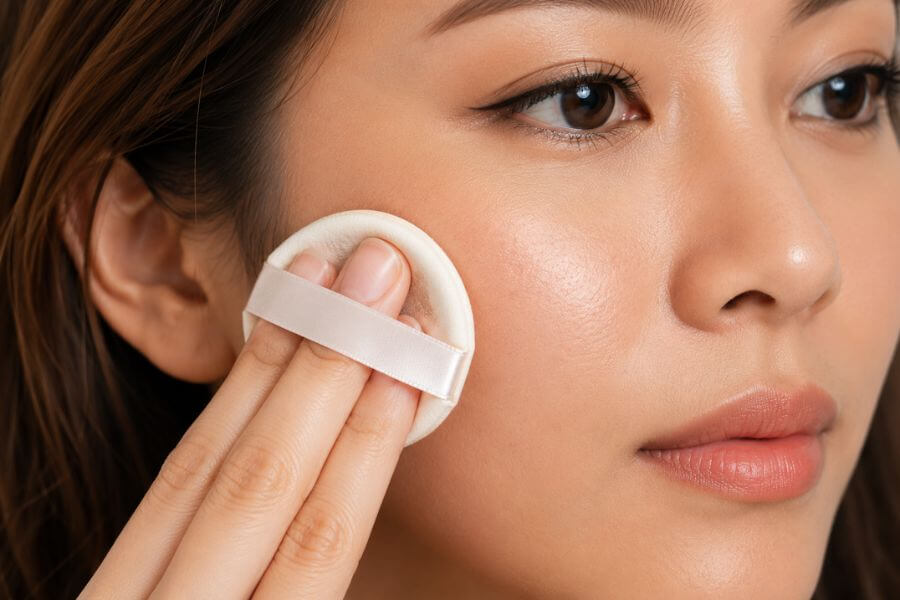
Cushion compacts contain a special sponge soaked in a light, liquid sun protector. They come with a flat, smooth blue or white puff that does not absorb too much product. This puff is designed to lay product flat on top of your face without pulling at the layers underneath.
Application Steps for Cushion Products
- Press the puff down: Open the compact and press the flat puff gently into the fluid-soaked cushion to pick up the product.
- Test the amount: Tap the puff against the inside lid of the compact to remove any extra liquid.
- Pat across the face: Pat the puff across your skin using quick, light motions. Start at the center of your cheeks and move outward.
- Check for streaks: Look closely in the mirror to make sure the liquid is pressed in evenly and no white streaks are left behind.
The Travel Advantage
Cushion compacts come with a built-in mirror, making them perfect for quick check-ups throughout the day. The formula is usually very cooling, which feels amazing on a hot, sunny afternoon when your skin feels warm.
Method Five: The Strategic Sun Stick
Sun protection sticks look like clear sticks of deodorant, but they are packed with skin-saving ingredients. They are solid, dry, and glide across the skin easily. While they require caution, they work beautifully when applied correctly.
Picking the Perfect Stick
Look for a chemical sun stick rather than a mineral one. Chemical sticks are completely clear and glide smoothly, while mineral sticks can be thick, white, and pasty, which will ruin your makeup. The stick should feel lightweight and slick to the touch.
Gliding Without Smudging
- Clean the stick surface: Wipe the top of the stick with a clean tissue before you start to remove any dust.
- Warm it up: Roll the stick against the back of your clean hand a few times. Your body heat will soften the top layer, making it glide much smoother on your face.
- Gently roll onto skin: Hold your skin tight with one hand, and use the other hand to glide the stick across your face. Use very light pressure.
- Clean the tool after use: Once you are done, wipe the top of the stick with a clean tissue again to remove any makeup oils that transferred onto it.
Best Uses for Sun Sticks
Sun sticks are wonderful for the outer edges of your face, your neck, and your chest. If you wore minimal makeup, like just a bit of concealer and powder, a sun stick is a fast way to coat your entire face in seconds.
Matching Your Method to Your Skin Type
Not every method works for every person. Your skin type plays a massive role in how these products interact with your makeup. Choosing the wrong combination can lead to a messy face.
Oily and Acne-Prone Skin Types
If your face naturally produces a lot of oil, you want to avoid heavy liquids and sticks. Stick to the powder method for your regular touch-ups. If you feel too dry from powder, a matte-finish sun spray can work beautifully without clogging your pores or creating extra shine.
Dry and Flaky Skin Types
If your skin feels tight and dry, powder will make your face look older and accentuate dry patches. Your skin will love the sponge method or the mist method. The moisture in these products will actually make your makeup look better by adding a healthy glow.
Combination Skin Solutions
If your nose is oily but your cheeks are dry, you can mix and match your methods. Use a damp sponge with liquid protection on your outer cheeks, then press a powder protector onto your oily nose and forehead.
Common Mistakes to Avoid
Even with the best tools, small mistakes can cause your makeup to lift or separate. Awareness of these common errors will ensure your skin stays beautiful and protected.
The Dragging Motion
Dragging a brush, a sponge, or your fingers across your face is the number one reason makeup gets ruined. It pulls the foundation away from your skin. Always remember to use pressing, stamping, or tapping motions.
Applying Over Dirty Skin
If you have been sweating outside or working in a dusty room, applying sun protection directly on top of that dirt can trap bacteria in your pores. Always use a clean tissue or blotting paper to lift away dirt and sweat before you reapply.
Forgetting Your Neck and Ears
Your face does not stop at your jawline. Your neck, the tops of your ears, and your chest get a massive amount of sun exposure. Do not forget to apply protection to these areas as well. You can use a sun stick or a regular cream for these spots since they usually do not have heavy makeup on them.
Preparing Your Morning Base for Success
The way you apply your makeup in the morning determines how well your afternoon reapplication will go. A strong foundation makes midday touch-ups much cleaner.
Layering Your Skincare Correctly
In the morning, apply your lightweight moisturizer first. Let it sink in for five minutes. Next, apply a generous layer of your main liquid sun cream. Wait ten full minutes before you touch your face with foundation. This gives the sun cream time to dry down and form its protective shield.
Choosing Makeup that Works Well
When shopping for foundations and concealers, look for long-wearing or water-resistant formulas. These products grip your skin tightly. They are less likely to lift or move when you press a sponge or a powder brush on top of them later in the day.
Frequently Asked Questions
Can I just use a foundation that has sun protection built into it?
While foundations with built-in protection are helpful, they are not enough on their own. To get the full protection listed on the bottle, you would have to apply a massive amount of foundation to your face, which would look very heavy and cakey. Use your foundation as an extra bonus layer, but always use a real sun protection product underneath it and reapply throughout the day.
How many times a day should I reapply my sun protection over my makeup?
If you are sitting inside an office away from windows, you only need to reapply before you go outside for lunch or before your drive home. However, if you are sitting near a sunny window, walking around outside, or spending a day at the beach, you must reapply every two hours without fail.
Will reapplying sun protection cause my skin to break out?
It will not cause breakouts if you select products suited for your skin type and clean your face properly at night. Look for labels that say non-comedogenic, which means the product is tested and proven not to clog your pores. Also, make sure to clean your makeup sponges and brushes every week to stop bacteria from growing on them.
What should I do if my powder sun protector looks too dry or cakey?
If your powder starts to look heavy after a few applications, take a regular facial mist or a shot of plain water mist and spray it lightly over your face. The moisture will melt the excess powder particles down, instantly removing that dusty look and restoring a natural finish to your skin.
Can I use a regular body sun spray on my face over makeup?
You should never use a standard body spray on your face. Body sprays often contain heavy gases to help them push out of the can, high amounts of drying alcohol, and strong fragrances that can burn your eyes and irritate your facial skin. Only use sprays that are explicitly labeled for use on the face.
Is it safe to use a sun stick directly over a face full of blush and bronzer?
Yes, it is safe, but you must be incredibly gentle. If you press too hard, the stick will act like an eraser and scrape your blush right off. Warm the stick up on your hand first so it glides like silk, and use micro-movements rather than long strokes across your cheeks. Wiping the stick clean after each use is essential.
Do I need to reapply sun protection if the weather is cloudy outside?
Yes, clouds do not stop ultraviolet rays. Up to eighty percent of the sun rays can pass right through thick clouds and cause damage to your skin cells. Even if the sky looks grey and gloomy, you should still practice proper reapplication habits to keep your skin healthy.