Key Takeaways
Before diving into the full breakdown, here is the quick guide to getting that signature Korean body glow. It is all about treating the skin below your neck with the exact same respect, care, and layering philosophy as you treat your face.
| Step Number | Routine Step | Core Purpose | Frequency | Key Ingredient Focus |
| Step 1 | Deep Cleansing | Removes sweat, oil, and surface dirt | Daily | Gentle surfactants, green tea, centella |
| Step 2 | Physical Exfoliation | Sloughs off dead skin cells with a special mitt | 1 to 2 times a week | Warm water prep, viscose mitt texture |
| Step 3 | Chemical Exfoliation | Dissolves deep pore clogs and smooths bumps | 2 to 3 times a week | AHA, BHA, PHA, LHA |
| Step 4 | Hydrating Toning | Floods the skin barrier with instant moisture | Daily (Post-shower) | Hyaluronic acid, glycerin, bamboo water |
| Step 5 | Essence Treatment | Targets specific issues like dullness or spots | Daily | Galactomyces, niacinamide, snail mucin |
| Step 6 | Deep Moisturization | Locks in all previous layers of hydration | Daily | Ceramides, fatty acids, shea butter |
| Step 7 | Body Oil Sealing | Creates a shiny, reflective, protective barrier | Nightly or for events | Jojoba oil, squalane, camellia oil |
| Step 8 | Sun Protection | Prevents UV damage, dark marks, and aging | Daily (Daytime) | Chemical or mineral UV filters |
You spend a lot of time, energy, and money making sure the skin on your face looks like a shiny glass mirror. You wash it twice, paint it with serums, pat it with toners, and guard it with sunscreen. But then you look down at your arms and legs. They might look dry, ash-white, patchy, or covered in tiny red bumps. Why does your face get a ten-step royal treatment while your body just gets a quick wipe with a random bar of soap?
In South Korea, body care is not separate from face care. It is all the same skin. The secret to that head-to-toe glow is a dedicated ritual that focuses on gentle sloughing, deep moisture layering, and strong barrier protection. This guide will walk you through every phase of the Korean body care routine so you can unlock the softest, brightest skin of your life.
The Philosophy of Korean Body Care
To truly understand this routine, you have to understand the mindset behind it. Korean beauty is not about fixing damage after it happens. It is about preventing damage from happening in the first place. It is a slow, loving ritual that respects your body.
Treating Body Skin Like Facial Skin
The skin on your body is actually thicker than the skin on your face, and it has fewer oil glands. This means your body is much more prone to extreme dryness, scaling, and rough patches. Yet, most people use harsh, fragrance-heavy body washes that strip away natural oils. The Korean approach treats your body skin with the exact same high-quality ingredients you look for in facial serums. Think of your body as a canvas that deserves premium ingredients like hyaluronic acid, ceramides, and botanical extracts.
The Power of Layering Moisture
You cannot get a deep glow by just slapping on a heavy cream at the end of your shower. If your skin is dry and covered in dead cells, that heavy cream will just sit on top like a greasy film. True hydration comes from applying lightweight liquids first, then medium lotions, and finally heavy creams or oils. This step-by-step layering allows each product to sink deep down into the skin matrix, creating a plump, bouncy texture that lasts for days.
Consistency Over Quick Fixes
This routine is not a one-time spa treatment. It is a daily and weekly habit. Just like brushing your teeth or washing your hair, consistency is what delivers results. Over time, this routine helps your skin shed dead layers naturally, build up a strong defense barrier, and retain its own water content.
Step 1: Deep Cleansing and Daily Purification
Your routine starts the second you step into the shower. Cleansing is not just about washing off the dirt from the day. It is about prepping the skin to receive moisture.
Choosing the Right Cleanser Type
Most standard shower gels are packed with harsh sulfates that create a giant cloud of bubbles but leave your skin feeling tight and itchy. In the Korean routine, you want to use low-pH cleansers that mimic the natural acidity of your skin. Look for words like “pH-balanced” or “mild cream wash” on the label.
Shower Gels versus Body Oils
Depending on your skin type, you can choose between a hydrating body wash or a foaming body oil. If you have oily skin or work out a lot, a gentle, soap-free gel with tea tree or green tea will refresh your skin without drying it out. If you have flaky, ultra-dry skin, a body oil cleanser that breaks down into a milky foam upon contact with water will cleanse your skin while depositing an initial layer of hydration.
The Role of Water Temperature
It is incredibly tempting to turn the shower knob all the way to hot, especially during cold winter mornings. However, boiling hot water is the ultimate enemy of glowing skin. Hot water melts away the natural lipids that hold your skin cells together, causing rapid water loss. Stick to lukewarm water. It is warm enough to open up your pores and relax your muscles, but cool enough to keep your protective barrier fully intact.
Step 2: The Art of the Korean Body Scrub (The Bathhouse Ritual)
If you visit a traditional public bathhouse in Korea, also known as a jjimjilbang, you will see people soaking for hours before using a special colorful mitt to scrub their bodies. This is the heart of Korean body care.
The History of the Italy Towel
The famous scrubbing mitt used in Korea is often called an “Italy towel” because the viscose fabric used to make it was originally imported from Italy. These mitts are usually bright green, red, or yellow with black stripes. They have a rough texture that grips onto dead skin cells and rolls them right off your body in satisfying little gray rolls.
How to Properly Prep Your Skin
You cannot just jump into the shower and start scrubbing with an Italy towel. If your skin is hard and dry, the rough fabric will scratch you and cause redness. You must soak your body in warm water for at least fifteen to twenty minutes first. This can be done in a bathtub or by standing under a warm shower stream. The water softens the top layer of dead skin, making it incredibly easy to remove without irritation.
The Correct Scrubbing Technique
Once your skin is fully softened, turn off the water. Put on your scrubbing mitt. Do not apply soap to the mitt. Use long, firm, straight strokes across your arms, legs, back, and torso. You will quickly see dead skin cells rolling off like pencil eraser shavings. Be incredibly gentle on delicate areas like your chest and inner thighs. Rub in a circular motion around rough spots like elbows, knees, and ankles.
Post Scrub Rinsing
After you finish scrubbing, rinse your entire body with lukewarm or cool water. Do not use a harsh soap after this step, as your skin is newly exposed and fresh. Your body will feel impossibly smooth, like a polished stone. Because this is a deep physical exfoliation, you should only do this bathhouse ritual once or twice a week at most.
Step 3: Chemical Exfoliation for Silky Texture
While physical scrubbing removes large patches of flaky skin, chemical exfoliation works on a microscopic level to clean out pores and smooth out tiny bumps.
Alpha Hydroxy Acids (AHA)
AHAs, like glycolic acid and lactic acid, are water-soluble acids derived from sugary fruits or milk. They work on the very surface of your skin to break down the glue holding dead skin cells together. If you suffer from dry skin, dullness, or uneven skin tone, a body wash or lotion infused with AHA will help shed that top layer, revealing a bright, reflective glow underneath. Lactic acid is especially wonderful for beginners because it also acts as a humectant, drawing water into the skin while it exfoliates.
Beta Hydroxy Acids (BHA)
BHAs, specifically salicylic acid, are oil-soluble. This means they can cut through sebum and dive deep inside your pores to dissolve plugs of dirt and oil. If you get breakouts on your chest, upper arms, or back, BHA is your best friend. It calms redness, reduces inflammation, and prevents painful body acne from forming.
Poly Hydroxy Acids (PHA) and Lipo Hydroxy Acids (LHA)
If you have incredibly sensitive skin that gets red at the mere mention of an acid, PHAs and LHAs are made for you. PHAs have a much larger molecular size compared to AHAs. This means they penetrate the skin very slowly and stay on the surface, causing zero stinging or burning. They gently smooth out skin texture while acting as an antioxidant. LHAs are even gentler and work cell by cell to give you a micro-exfoliation that leaves skin feeling soft and calm.
Step 4: In Shower and Post Shower Toning
In Western beauty routines, toner is something you put on a cotton pad and wipe across your face. In the Korean routine, a body toner is a vital step that floods your body with water the second you dry off.
The Golden Three Minute Rule
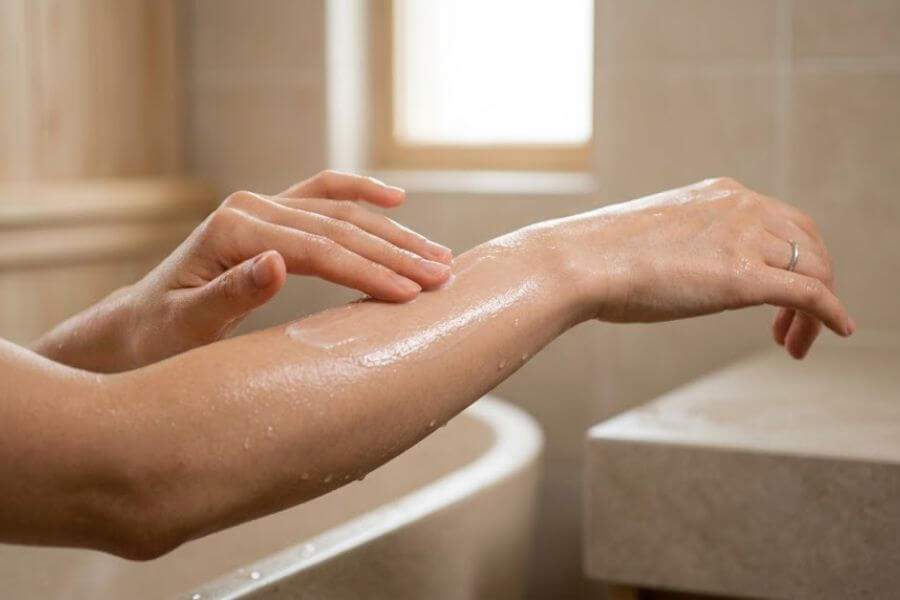
The moment you turn off the shower and step onto the bathmat, a process called trans-epidermal water loss begins. The air around you immediately starts sucking the moisture out of your damp skin. You have a golden three-minute window to apply your first layer of hydration before your skin becomes completely dry and tight. Do not rub your body aggressively with a towel. Gently pat yourself down so your skin remains slightly damp, then reach for your body toner.
Types of Body Toners and Mists
Body toners can come in large bottles that you splash into your hands and pat onto your limbs, or they can come in convenient continuous-spray mist bottles. Spray mists are fantastic for reaching difficult areas like your back. Look for formulas that contain bamboo water, green tea water, aloe vera, or hyaluronic acid. These liquids are thin and light, allowing them to absorb into your skin within three seconds.
The Patting Method
Instead of just wiping products over your body, practice the traditional Korean patting method. Pour the liquid into your palms, rub your hands together, and press firmly against your arms, legs, and chest. The pressing action helps the liquid fuse with the water molecules left on your skin, driving the hydration deep into your epidermis.
Step 5: High Performance Body Essences and Serums
An essence is the secret weapon of Korean skincare. It is more concentrated than a toner but lighter than a lotion. It is packed with active ingredients designed to fix specific skin problems.
Targeting Body Acne and Bumps
Many people suffer from a condition called keratosis pilaris, often called “strawberry skin” or “chicken skin.” This is caused by a buildup of keratin that plugs up hair follicles, creating rough, tiny red bumps on the back of the arms and thighs. A body essence packed with tea tree oil, centella asiatica, or low percentages of salicylic acid can soothe these bumps, reduce redness, and smooth out the texture over time.
Fading Hyperpigmentation and Scars
Our bodies get dark marks from old bug bites, scratches, body acne, or friction from tight clothing around the waist and inner thighs. To brighten these dark areas, look for a body serum that contains niacinamide, vitamin C, licorice root extract, or tranexamic acid. These ingredients slow down the production of melanin, fading dark spots and giving your entire body a uniform, glowing tone.
Fermented Ingredients for Skin Elasticity
Korean skincare is famous for using fermented ingredients like galactomyces, bifida ferment lysate, and fermented rice water. The fermentation process breaks down the nutrients into microscopic sizes, making them highly bio-available to your skin cells. These ingredients are rich in amino acids, vitamins, and minerals that boost skin elasticity, make your skin look plump, and strengthen the skin defense barrier.
Step 6: Deep Moisturization with Lotions and Creams
Once you have flooded your skin with water and treated it with essences, it is time to put on your main protective shield: a high-quality body lotion or cream.
Understanding the Emulsion Layer
An emulsion is a light, milky lotion that balances water and oil. If you live in a very hot, humid climate, or if you have naturally oily body skin, a light body emulsion might be all you need to keep your skin hydrated without feeling sticky or sweaty. It glides on smoothly and disappears into the skin instantly.
Ceramide Rich Creams for Barrier Repair
If you have dry, itchy, or flaky skin, you need a heavy-duty cream that contains ceramides. Ceramides are lipid molecules that make up your skin barrier. Think of your skin cells as bricks and ceramides as the mortar holding them together. When you lack ceramides, moisture escapes, and irritants can enter easily. Applying a ceramide-packed cream creates a physical seal that repairs damage, stops itching, and makes your skin feel smooth and resilient.
Botanical Butters and Oils
For extra dry zones like elbows, knees, heels, and hands, look for rich creams infused with shea butter, mango seed butter, or macadamia nut oil. These botanical fats mimic the natural sebum of your skin, filling in microscopic cracks between cells and creating a velvet-soft finish that prevents ashiness throughout the day.
Step 7: The Final Seal with Body Oils
To get that ultra-shiny, reflective sheen that looks stunning in the sunlight or under evening lights, you need a body oil. This is the ultimate finishing touch to the routine.
Selecting the Right Oil Blend
Not all oils are created equal. Heavy, cheap oils like mineral oil can sit on top of your skin and clog pores, leading to body breakouts. Instead, look for plant-based, dry-touch oils that absorb quickly without leaving a greasy residue.
| Oil Type | Absorption Rate | Best Beneficiary | Main Benefit |
| Jojoba Oil | Extremely Fast | All Skin Types | Mimics natural skin sebum, balances oil production |
| Squalane | Fast | Sensitive Skin | Super lightweight, non-comedogenic, deep moisture |
| Camellia Oil | Medium | Mature / Very Dry Skin | High in antioxidants, creates an intense glossy shine |
| Sweet Almond Oil | Medium | Dry / Itchy Skin | Rich in Vitamin E, calms irritation and softens skin |
Application Tips for a Non Greasy Finish
The secret to applying body oil without ruining your clothes is to mix it or apply it while your body lotion is still fresh. Take a few drops of oil, rub your palms together to warm it up, and press it over your lotion layer. The oil will trap the water from the lotion beneath it, creating a luminous finish that feels like silk rather than grease.
Step 8: Head to Toe Sun Protection
You can do all the scrubbing, toning, and moisturizing in the world, but if you skip sun protection, the UV rays will destroy all your hard work within minutes.
The Importance of Body Sunscreen
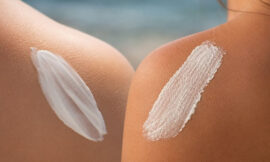
Sun damage causes collagen to break down, leading to saggy, wrinkly body skin. It also triggers melanin production, which turns faint body scars into dark, permanent marks. If your arms, chest, and legs are exposed to the sun, you must apply sunscreen just like you do on your face.
Korean Sunscreen Textures
If you hate Western body sunscreens because they are thick, sticky, white, and smell like a swimming pool, you will fall in love with Korean sunscreens. They are formulated like lightweight daily moisturizers. They come in formats like sun gels, sun fluids, and sun essences that melt into the skin with zero white cast and zero sticky residue.
The Convenience of Sun Sticks
For easy touch-ups throughout the day, Korean sun sticks are a game-changer. These are solid, pocket-sized sticks of sunscreen that you can swipe directly onto your arms, neck, hands, and feet without getting your palms messy. They glide on smoothly, often leave a matte or subtle glowing finish, and make reapplication simple when you are out and about.
Weekly Treatment: Body Masks and Special Care
Just like you might do a sheet mask on your face on a Sunday night, your body can benefit from intensive weekly treatments.
Foot Peeling Masks
Our feet take a beating every single day, leading to thick, yellow calluses and cracked heels. Korean foot peeling masks are plastic booties filled with a strong blend of AHAs and botanical extracts. You wear them for about an hour, wash your feet, and then wait. Within five to seven days, the thick dead skin on your feet will begin to peel off in giant sheets, leaving behind baby-soft skin underneath.
Hand Mask Gloves
Our hands are constantly exposed to water, soap, and weather, making them age faster than almost any other part of our body. Hand masks are serum-infused gloves that you slip onto your hands for twenty minutes. They are packed with collagen, shea butter, and snail mucin to instantly plump up thin skin, soften rough cuticles, and brighten your hands.
Chest and Back Clarifying Treatments
If you struggle with persistent body acne, you can do a weekly mud mask or clay mask on your chest and back. Bentonite clay or volcanic ash masks pull out deep impurities, absorb excess oil, and minimize the appearance of pores, keeping your skin clear and smooth.
Adapting the Routine for Different Skin Types
Everyone has unique skin concerns, so you should customize this multi-step process to fit your specific body needs.
Dry and Flaky Skin Plan
- Focus: Intense moisture layering and gentle physical exfoliation.
- Routine: Skip daily scrubbing. Use a nourishing body wash oil, splash on a hydrating mist immediately, apply a thick ceramide cream, and seal it all with camellia body oil.
Oily and Acne Prone Skin Plan
- Focus: Pore clearing and lightweight hydration.
- Routine: Use a daily salicylic acid body wash, spray a tea tree mist on your back and chest, use a light body emulsion lotion, and skip heavy body oils completely.
Sensitive and Redness Prone Skin Plan
- Focus: Barrier soothing and protection.
- Routine: Avoid the rough Italy towel entirely. Use a pH-balanced cream wash, apply a PHA toner to smooth skin texture gently, and use a fragrance-free lotion packed with centella asiatica and oatmeal extract.
The Role of Lifestyle, Diet, and Wellness
Beautiful skin is a reflection of what is happening inside your body. The Korean approach to beauty is deeply intertwined with overall health, nutrition, and wellness practices.
Hydration and Traditional Teas
Drinking enough water is essential to keep your skin cells plump from the inside out. In Korea, people drink a variety of traditional herbal teas that offer amazing skin benefits. Barley tea, also known as boricha, is packed with antioxidants and helps improve blood circulation. Green tea helps fight inflammation and calms skin from within. Ginseng tea boosts energy and promotes collagen production, helping your body maintain its youthful bounce.
Skin Loving Foods
The traditional Korean diet is filled with foods that promote glowing skin. Fermented dishes like kimchi are loaded with probiotics that improve gut health, which directly leads to clearer, less reactive skin. Soups made with seaweed, known as miyeok-guk, are rich in iodine, iron, and calcium, which help detoxify the body and reduce skin swelling. Eating clean, vegetable-rich meals provides your skin with the essential vitamins it needs to repair itself nightly.
Sleeping Habits and Circulation
Your skin goes into repair mode while you sleep. Getting seven to eight hours of deep sleep is crucial for cell turnover. To maximize this, try to improve your body circulation before bed. Gentle stretching, using a foam roller, or massaging your legs and arms in an upward motion toward your heart helps move lymphatic fluid. This reduces puffiness, flushes out toxins, and ensures that nutrient-rich blood reaches the surface of your skin, giving you a natural morning radiance.
Frequently Asked Questions
Can I use my facial skincare products on my body?
Yes, you absolutely can. If you have a facial toner, essence, or serum that did not work out for your face, or if you simply have extra product left over, using it on your body is an excellent way to upgrade your body care routine. Your body skin will love ingredients like hyaluronic acid, niacinamide, and glycolic acid just as much as your face does. The only downside is that facial products come in much smaller bottles, so it can become expensive to use them over large areas of your body regularly.
How long does it take to see results from this routine?
You will feel an immediate difference in softness right after your first shower and layering session. Your skin will feel smoother and look significantly more hydrated right away. However, for long-term changes like fading dark marks, smoothing out rough bumps, or clearing up body acne, it takes about four to six weeks of consistent daily use. This is because it takes around twenty-eight days for your skin cells to go through a full cycle of renewal and shed the old, damaged outer layer.
Is the rough scrubbing mitt safe for everyday use?
No, you should never use the traditional scrubbing mitt or Italy towel every single day. Because it provides deep physical exfoliation, using it daily will strip away your healthy skin cells, damage your skin barrier, and cause raw red patches, irritation, and extreme dryness. Limit the physical scrubbing mitt to once or twice a week at the absolute most. On all other days, simply use your hands or a soft, gentle washcloth with your favorite hydrating body wash.
What should I do if my skin turns bright red after scrubbing?
If your skin looks bright red, feels stinging, or hurts after using an exfoliating mitt, it means you either scrubbed too hard, did not soak your skin long enough beforehand, or your skin is too sensitive for physical exfoliation. Immediately stop scrubbing and rinse your body with cool water to soothe the inflammation. Skip all chemical acids, perfumes, and active serums for the next few days. Instead, apply a thick layer of a pure aloe vera gel or a fragrance-free ceramide cream to help rebuild and heal your compromised skin barrier.
Can teenagers follow this body care routine safely?
Yes, this routine is completely safe for teenagers, but it should be kept simple. Younger skin already has an amazing natural cellular turnover rate and lots of elasticity, so teenagers do not need heavy anti-aging serums or intense chemical treatments. A teenager should focus on a gentle pH-balanced body wash, a light hydrating lotion, and daily sun protection. If a teenager suffers from body acne or rough arm bumps, adding a mild salicylic acid wash or essence a few times a week is a great way to manage breakouts gently.